
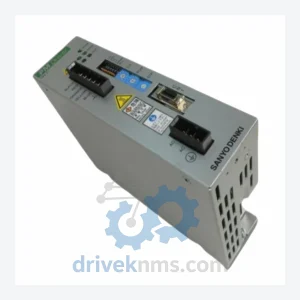
Sanyo Denki PMA Series Stepping Motor Drivers PMAPA1S6B01
Sanyo Denki PMAPA1S6B01 is listed for Servo Drives RFQ review. Confirm quantity, condition and destination before quotation.
RFQ-ready industrial model
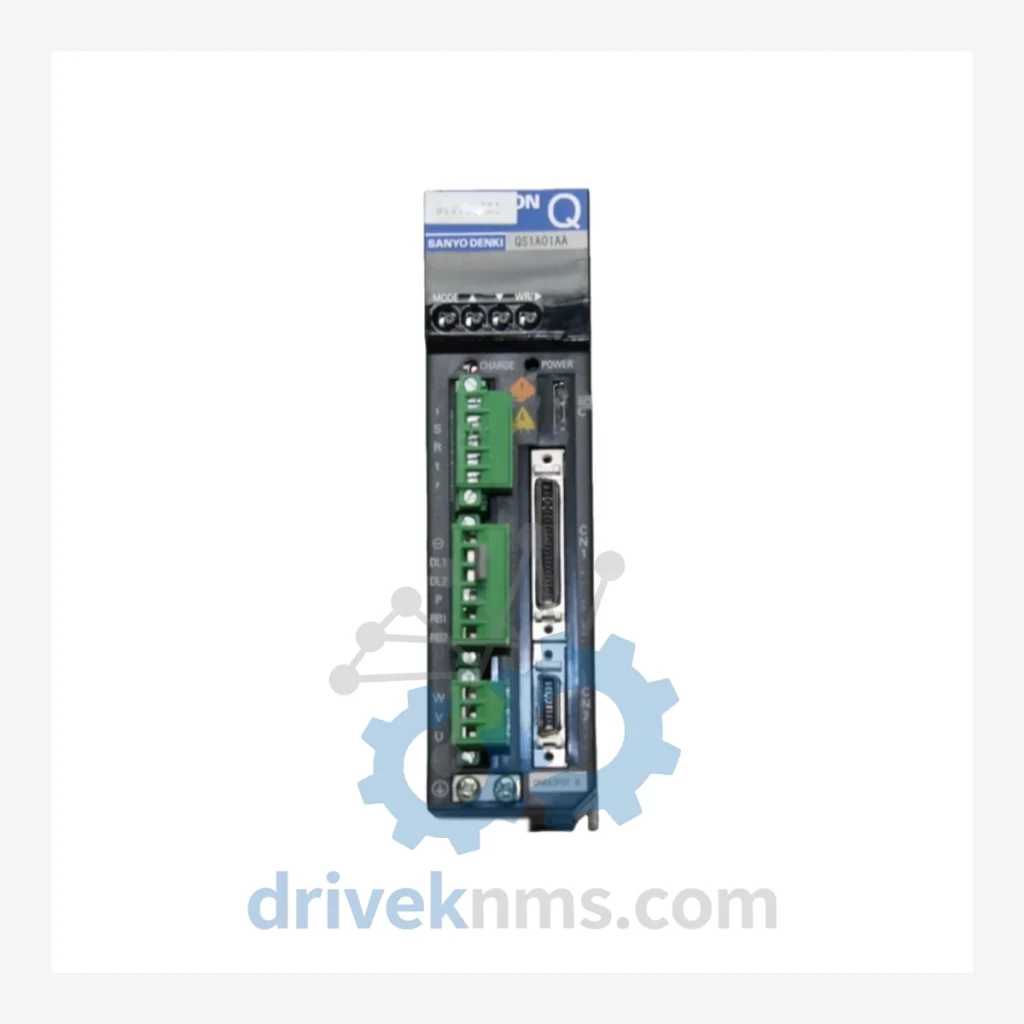
Model: QS1E01AA0H6A3P0T
Product Overview
Commercial availability is handled through direct RFQ, model verification and export-oriented follow-up rather than public cart checkout.
Datasheet Preview
Use attached product manuals when available. If the manual is not public yet, request the full file directly through RFQ.
Commercial Path
Product pages on DRIVEKNMS are designed to verify model, brand and series first, then move the buyer into one clean quotation path.
Technical Dossier
DriveKNMS reviews sourcing status and documentation for this model during RFQ handling before quotation.
RFQ support for obsolete parts: Send the model number, required quantity and destination so DriveKNMS can confirm sourcing options before quotation.
| Parameter | Detail |
|---|---|
| Manufacturer | SANYO DENKI |
| Model Number | QS1E01AA0H6A3P0TC |
| Series | Q Series (Discontinued) |
| Product Type | AC Servo Drive / Amplifier |
| Country of Origin | Japan |
| OEM Support Status | Discontinued – No new production |
| Compatibility | SANYO DENKI Q Series servo motors; legacy CNC and motion control systems using Q Series amplifiers |
| Typical System Integration | Compatible with older Fanuc, Mitsubishi, and Yaskawa CNC controllers interfaced with SANYO DENKI Q Series servo loops |
The SANYO DENKI Q Series was widely deployed across precision machining centers, semiconductor handling equipment, and multi-axis assembly lines throughout the 1990s and 2000s. The servo amplifier architecture of this series — particularly its analog command interface and dedicated encoder feedback loop — was deeply integrated into the motion control logic of the host machines. There is no plug-and-play successor from SANYO DENKI that accepts the same wiring harness, the same parameter set, and the same encoder protocol without hardware and software modification.
This creates a structural problem for any facility still running Q Series-based equipment: the machine is mechanically sound, the tooling is amortized, and the operators are trained — but a single failed servo drive can render the entire asset non-productive. The OEM's answer is a system upgrade. The practical answer, for operations that cannot absorb a six-figure capital project on short notice, is a verified replacement unit from secondary market inventory.
DriveKNMS specializes in sourcing and qualifying exactly this category of component. The QS1E01AA0H6A3P0TC is not a generic industrial part — it is a precision motion control device whose failure mode directly affects axis positioning accuracy, torque repeatability, and machine cycle time. Sourcing it from an unqualified channel introduces risk. Our qualification process is designed to eliminate that risk.
Every QS1E01AA0H6A3P0TC unit processed by DriveKNMS passes a five-stage inspection protocol before it is offered for sale:
The QS1E01AA0H6A3P0TC is a direct mechanical and electrical replacement for the original unit installed in your machine. It occupies the same DIN rail or panel mounting footprint, uses the same connector pinout, and operates on the same command interface. There is no requirement to modify the host CNC or PLC program, no need to re-tune the servo loop from scratch (existing parameter files can be reloaded), and no requirement to engage a system integrator for a hardware redesign.
For maintenance engineers managing a fleet of legacy machines, this matters operationally. A replacement unit that requires re-engineering is not a spare part — it is a mini-project with its own schedule, budget, and risk. A verified drop-in replacement restores the machine to its qualified production state with the minimum possible intervention. That is the category this unit occupies.
The argument for replacement is usually driven by one of three factors: the OEM has withdrawn support, spare parts are no longer available, or a single critical failure has made the machine non-operational. The first two factors are manageable through a structured spare parts strategy. The third is the scenario that forces unplanned capital expenditure — and it is preventable.
A practical 5–10 year asset extension strategy for Q Series servo systems includes the following elements:
DriveKNMS operates specifically within this supply chain segment. We maintain inventory of discontinued servo drives, amplifiers, and motion control components for exactly the scenario described above.
Q: How do I know the unit is genuine and not a counterfeit?
A: All units are sourced from documented industrial decommissioning projects or authorized secondary market channels. We do not purchase from unverified brokers. Physical inspection includes verification of OEM labeling, PCB markings, and component date codes consistent with the original production period.
Continue The Model Path
Move from this exact model into the matching system hub, brand archive, model-family archive or lifecycle sourcing route before sending a final RFQ list.
Related Paths
Sanyo Denki PMAPA1S6B01 is listed for Servo Drives RFQ review. Confirm quantity, condition and destination before quotation.
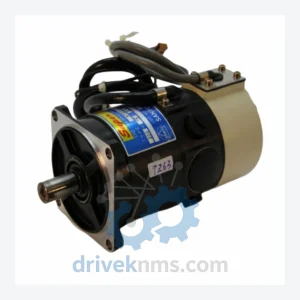
Sanyo Denki R720-012E18 E681000C30 is listed for Servo Drives RFQ review. Confirm quantity, condition and destination before quotation.
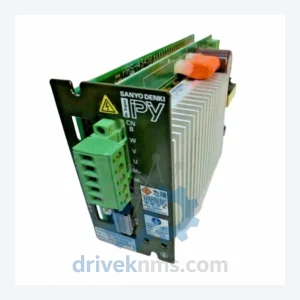
Sanyo Denki PYRG015K1XXVP00 is listed for PY Series Critical RFQ review. Confirm quantity, condition and destination before quotation.