
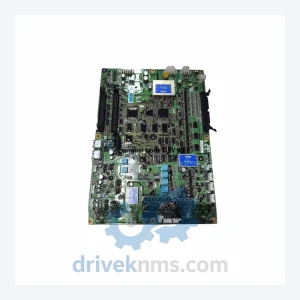
Sanyo PQM0A150EXXYST0 Servo Driver – SANMOTION Series
Sanyo PQM0A150EXXYST0 is listed for SANMOTION Series RFQ review. Confirm quantity, condition and destination before quotation.
RFQ-ready industrial model
Model: PQM0A100EXXYST0
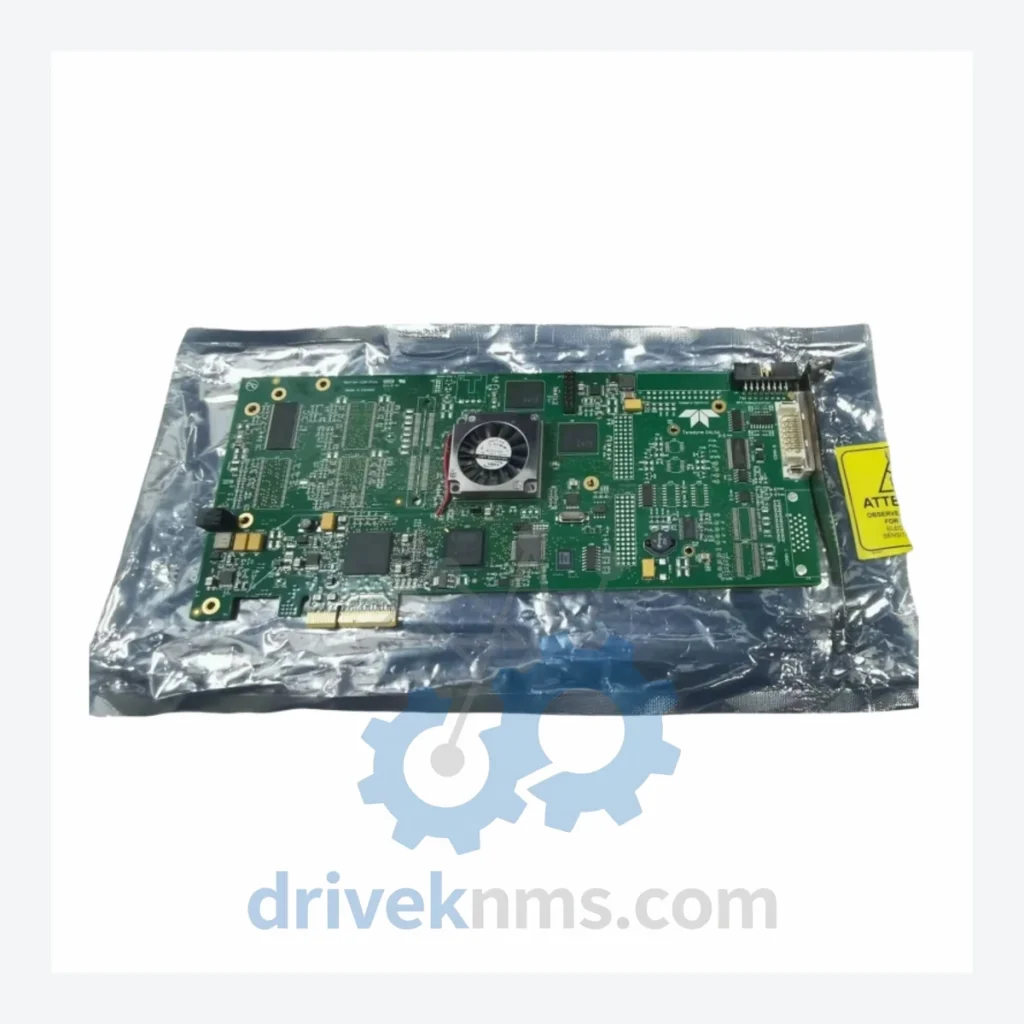
Product Overview
Commercial availability is handled through direct RFQ, model verification and export-oriented follow-up rather than public cart checkout.
Datasheet Preview
Use attached product manuals when available. If the manual is not public yet, request the full file directly through RFQ.
Commercial Path
Product pages on DRIVEKNMS are designed to verify model, brand and series first, then move the buyer into one clean quotation path.
Technical Dossier
RFQ support for obsolete parts: Send the model number, required quantity and destination so DriveKNMS can confirm sourcing options before quotation.
| Parameter | Detail |
|---|---|
| Manufacturer | SANYO |
| Part Number | PQM0A100EXXYST0 |
| Product Category | Industrial Power Supply Module |
| Country of Origin | Japan |
| Lifecycle Status | Discontinued / Obsolete – No longer in active production |
| Typical Application | Industrial control systems, automation panels, legacy PLC power distribution |
| Condition Available | New (sealed) / Refurbished (tested, certified) |
Note: Specific electrical parameters (input voltage range, output voltage/current ratings, connector pinout) are verified against physical unit at time of order confirmation. No parameters are published without physical verification to ensure accuracy for safety-critical applications.
SANYO's industrial power supply product lines, including the PQM0A series, were designed for integration into long-lifecycle automation environments. These modules are commonly found in legacy distributed control systems and standalone PLC panels that were commissioned in the 1990s and 2000s — systems that, despite their age, continue to perform their intended function reliably when properly maintained.
The economic case for sourcing the spare is straightforward. A single PQM0A100EXXYST0 unit, properly sourced and installed, can restore full production capacity within hours. A platform migration — even a phased one — requires months of engineering work, significant capital expenditure, and a period of reduced operational confidence while the new system is validated. For facilities running continuous or near-continuous production schedules, the cost of that transition period alone justifies maintaining a strategic spare inventory of critical legacy components.
Every SANYO PQM0A100EXXYST0 unit processed through DriveKNMS undergoes a structured five-stage quality assessment before it is offered for sale. This protocol is designed specifically for obsolete industrial components, where the risks of latent degradation are higher than for current-production parts.
Stage 1 – Visual and Mechanical Inspection: Full external examination for physical damage, case deformation, label integrity, and connector condition. Pin corrosion, oxidation, and contact contamination are assessed under magnification.
Stage 2 – Electrolytic Capacitor Assessment: Electrolytic capacitors are the primary failure point in aged power supply modules. Each unit is assessed for capacitor bulging, leakage, and ESR (equivalent series resistance) deviation. Units with capacitor degradation are either reconditioned with verified-specification replacements or rejected.
Stage 3 – Firmware and Configuration Verification: Where applicable, firmware version and any stored configuration parameters are documented and verified against known-good references for the PQM0A series.
Stage 4 – Functional Load Test: The unit is powered and tested under representative load conditions. Output stability, ripple, and protection circuit response are recorded.
Stage 5 – Documentation and Traceability: Each unit is assigned a test record. Condition grade (New / Refurbished-Certified) is documented and provided with the shipment.
The PQM0A100EXXYST0 is a direct form-fit-function replacement for the original installed unit. Installation does not require reprogramming of the host control system, reconfiguration of connected I/O modules, or modification of existing wiring. The replacement procedure is a physical swap — remove the failed unit, install the verified spare, restore power, confirm normal operation.
This drop-in compatibility is the defining operational advantage of sourcing a genuine SANYO PQM0A100EXXYST0 rather than pursuing a cross-reference substitute or initiating a platform redesign. Engineering hours are not consumed. Production validation cycles are not triggered. The facility returns to normal operation on the same shift.
For facilities managing multiple units of the same platform, DriveKNMS can discuss structured spare inventory arrangements — securing additional units at current pricing against future requirements, with defined storage and condition-maintenance protocols.
The decision to extend the operational life of a legacy automation platform is a capital allocation decision, not a technical one. The technical path — sourcing verified spare parts through specialist channels — is well established. The management question is whether the cost of that path is justified relative to the cost of migration.
How do I know the unit is genuine and not a counterfeit?
All units are sourced through documented supply channels. Physical markings, date codes, and construction details are verified against known-genuine references. Our five-stage QA process includes counterfeit screening as a standard step. Test records are provided with each shipment.
Should I purchase more than one unit?
For any facility where the PQM0A100EXXYST0 is installed in a production-critical application, holding at least one verified spare on-site is a minimum prudent position. For facilities with multiple installed units or extended planned operational life, a structured spare inventory of two to four units is a reasonable baseline. DriveKNMS can advise on storage requirements to maintain unit condition over multi-year storage periods.
Continue The Model Path
Move from this exact model into the matching system hub, brand archive, model-family archive or lifecycle sourcing route before sending a final RFQ list.
Related Paths
Sanyo PQM0A150EXXYST0 is listed for SANMOTION Series RFQ review. Confirm quantity, condition and destination before quotation.
Sanyo PQM0A030EXXYST0 PQM0PA7R801 is listed for Servo Drive Series RFQ review. Confirm quantity, condition and destination before quotation.
Sanyo PQM1A100A5HKSSA is listed for PQM Series RFQ review. Confirm quantity, condition and destination before quotation.