
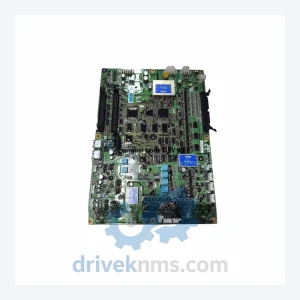
Sanyo PQM0A150EXXYST0 Servo Driver – SANMOTION Series
Sanyo PQM0A150EXXYST0 is listed for SANMOTION Series RFQ review. Confirm quantity, condition and destination before quotation.
RFQ-ready industrial model
Model: PQM1A100A5HKSSA
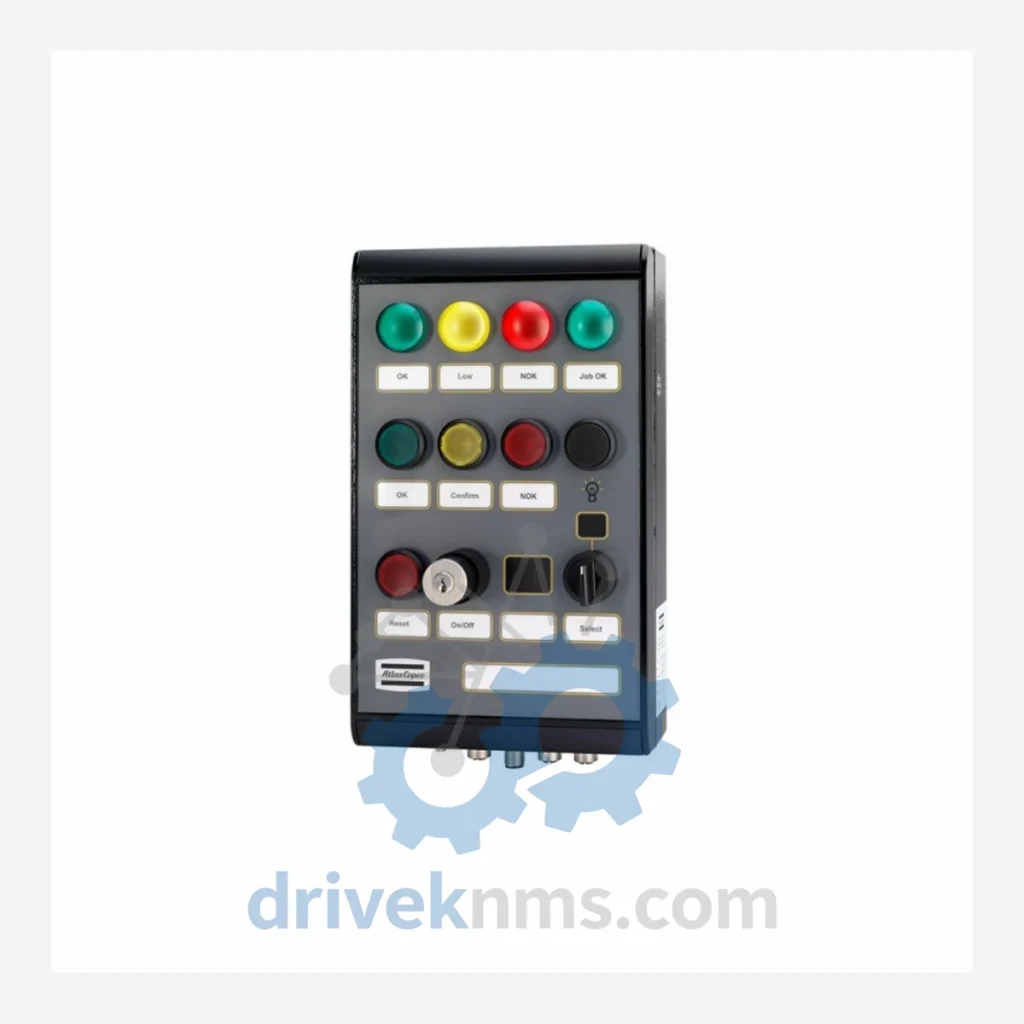
Product Overview
Commercial availability is handled through direct RFQ, model verification and export-oriented follow-up rather than public cart checkout.
Datasheet Preview
Use attached product manuals when available. If the manual is not public yet, request the full file directly through RFQ.
Commercial Path
Product pages on DRIVEKNMS are designed to verify model, brand and series first, then move the buyer into one clean quotation path.
Technical Dossier
RFQ support for obsolete parts: Send the model number, required quantity and destination so DriveKNMS can confirm sourcing options before quotation.
Note: Electrical parameters such as supply voltage, display resolution, and communication protocol are confirmed only upon physical inspection of the unit. No unverified specifications are listed here. Contact us for a full datasheet or inspection report.
The SANYO PQM Series operator panels were deployed extensively in discrete manufacturing and process automation environments throughout the 1990s and 2000s. These panels served as the primary human-machine interface layer in systems where the underlying PLC or motion controller — often a SANYO DENKI Sanmotion platform or equivalent legacy architecture — remains fully functional and economically productive.
The core problem is asymmetric: the mechanical and electrical backbone of these systems can operate reliably for decades, but the HMI layer — subject to display degradation, membrane switch wear, and internal power supply stress — becomes the single point of failure that forces an otherwise unnecessary system retirement.
Q: How are RFQ terms confirmed?
A: Quantity, required condition, documentation needs, destination and sourcing route are confirmed during RFQ review before quotation.
For plant managers operating under capital expenditure constraints, this is not a minor maintenance decision. A single avoided system upgrade can represent a deferral of USD 200,000 to USD 2,000,000 in project spend, depending on system complexity and integration depth. The cost of a verified spare part is not a maintenance expense — it is asset protection.
The following strategy applies directly to facilities running legacy SANYO PQM-based systems, and more broadly to any plant managing automation infrastructure beyond its original design lifecycle:
4. Implement controlled storage protocols. Electromechanical components in long-term storage require temperature and humidity control, anti-static packaging, and periodic inspection. A spare part stored incorrectly for five years may not perform reliably when needed.
5. Document your legacy system architecture. Maintain current wiring diagrams, firmware version records, and configuration backups for all legacy control systems. When a component is replaced, this documentation eliminates the risk of configuration loss and reduces commissioning time to hours rather than days.
Facilities that implement this approach consistently report the ability to extend productive asset life by five to ten years beyond the point at which reactive maintenance would have forced a system replacement.
Every PQM1A100A5HKSSA unit processed by DriveKNMS passes a structured five-stage quality verification protocol before it is offered for sale:
Stage 1 – Electrolytic Capacitor Assessment. Capacitor aging is the primary failure mode in legacy HMI power supply circuits. Each unit undergoes ESR (Equivalent Series Resistance) measurement on all electrolytic capacitors. Units with out-of-specification readings are either recapped with equivalent-specification components or rejected.
Stage 2 – Firmware Version Verification. Where applicable, firmware version is confirmed and documented. Compatibility with the target system's PLC or controller firmware is verified against known compatibility matrices.
Stage 4 – Functional Power-On Test. The unit is powered and subjected to a functional test covering display output, input response, and communication interface activity. Test results are logged.
Stage 5 – Final Cosmetic and Packaging Inspection. Units are graded, labeled with condition status, and packaged in anti-static materials with desiccant for storage and shipping.
Q: How is condition confirmed before quotation?
A: Available condition, photos, test records and documentation are checked according to the requested model and sourcing channel before a formal RFQ response.
Q: How do I know the unit is genuine and not counterfeit?
A: All units are sourced through documented supply chains. Physical inspection includes verification of manufacturer markings, PCB revision codes, and component date codes consistent with the original production period. We do not source from unverified secondary markets.
Q: Can you support multi-unit or repeat RFQ requests?
A: Yes. Send the model list, target quantity and destination so DRIVEKNMS can review sourcing options and quote the requirement as a project RFQ.
Continue The Model Path
Move from this exact model into the matching system hub, brand archive, model-family archive or lifecycle sourcing route before sending a final RFQ list.
Related Paths
Sanyo PQM0A150EXXYST0 is listed for SANMOTION Series RFQ review. Confirm quantity, condition and destination before quotation.
Sanyo PQM0A100EXXYST0 is listed for Power Supplies RFQ review. Confirm quantity, condition and destination before quotation.
Sanyo PQM0A030EXXYST0 PQM0PA7R801 is listed for Servo Drive Series RFQ review. Confirm quantity, condition and destination before quotation.