
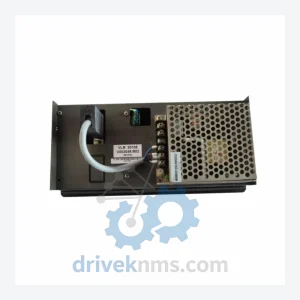
Schenck VLB20105 V003048.B02 Module – Obsolete Balancing System Spare Part
Schenck VLB20105 V003048.B02 is listed for Balancing System RFQ review. Confirm quantity, condition and destination before quotation.
RFQ-ready industrial model
Model: VEA20100 F217904.02 VIO20160-03
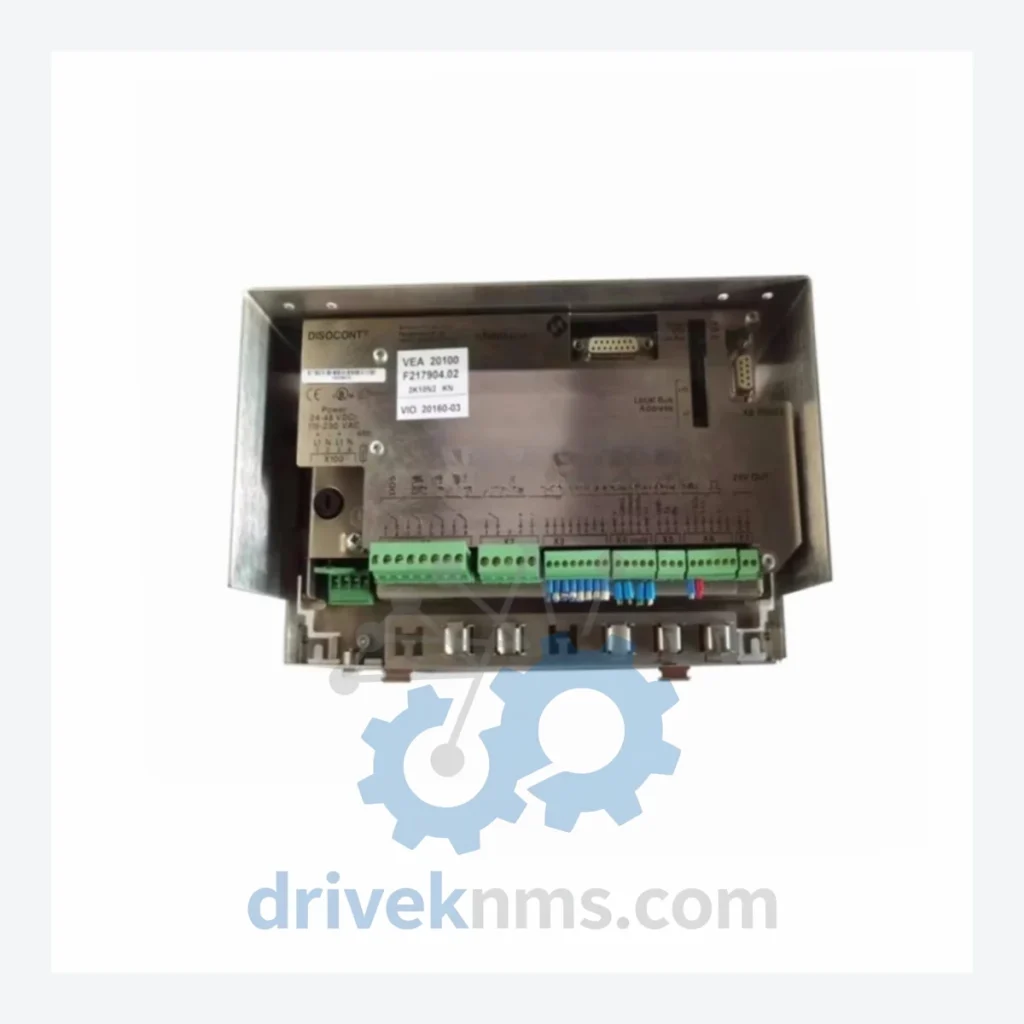
Product Overview
Commercial availability is handled through direct RFQ, model verification and export-oriented follow-up rather than public cart checkout.
Datasheet Preview
Use attached product manuals when available. If the manual is not public yet, request the full file directly through RFQ.
Commercial Path
Product pages on DRIVEKNMS are designed to verify model, brand and series first, then move the buyer into one clean quotation path.
Technical Dossier
Schenck Process introduced the VIO20000 platform as a successor to earlier analog-only vibration monitoring racks. The VIO20160 series introduced digital backplane communication, enabling integration with DCS systems via PROFIBUS-DP and later PROFINET interfaces. The VEA20100 amplifier card (drawing number F217904, revision .02) is a second-generation input conditioning board designed to accept signals from proximity probes, velocity transducers, and accelerometers. Early revisions (F217904.00, F217904.01) used through-hole component technology; revision .02 transitioned to a mixed SMD/through-hole design with improved EMC shielding. The VIO20160-03 rack variant introduced a 16-channel I/O density upgrade over the earlier VIO20160-01 (8-channel). Compatibility between VEA20100 cards and VIO20160 racks is slot-position dependent and must be verified against the system's hardware configuration file (HCF). Firmware versions above V3.2 on the VIO20160-03 controller module are required for full VEA20100 F217904.02 feature support.
The following SKUs represent verified components within the Schenck VEA20100 and VIO20160 ecosystem, organized by functional category:
Input Amplifier / Signal Conditioning Cards
Vibration I/O Rack Modules (VIO20160 Series)
Power Supply Modules
Communication & Interface Modules
Termination & Accessory Boards
Continue The Model Path
Move from this exact model into the matching system hub, brand archive, model-family archive or lifecycle sourcing route before sending a final RFQ list.
Related Paths
Schenck VLB20105 V003048.B02 is listed for Balancing System RFQ review. Confirm quantity, condition and destination before quotation.
Schenck VMD20150.xx V003853.B11 VMD20150 is listed for Servo Drives RFQ review. Confirm quantity, condition and destination before quotation.
Schenck V064089.B01 is listed for HMI Panels RFQ review. Confirm quantity, condition and destination before quotation.