
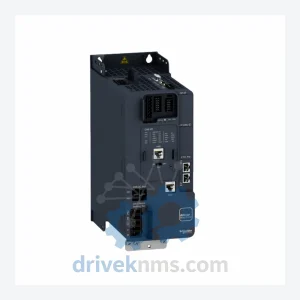
Schneider Electric ATV340 Series Drives: ATV340D11N4
Schneider Electric ATV340D11N4 is listed for Electric ATV340 Series RFQ review. Confirm quantity, condition and destination before quotation.
RFQ-ready industrial model
Model: ATV312HU15N4
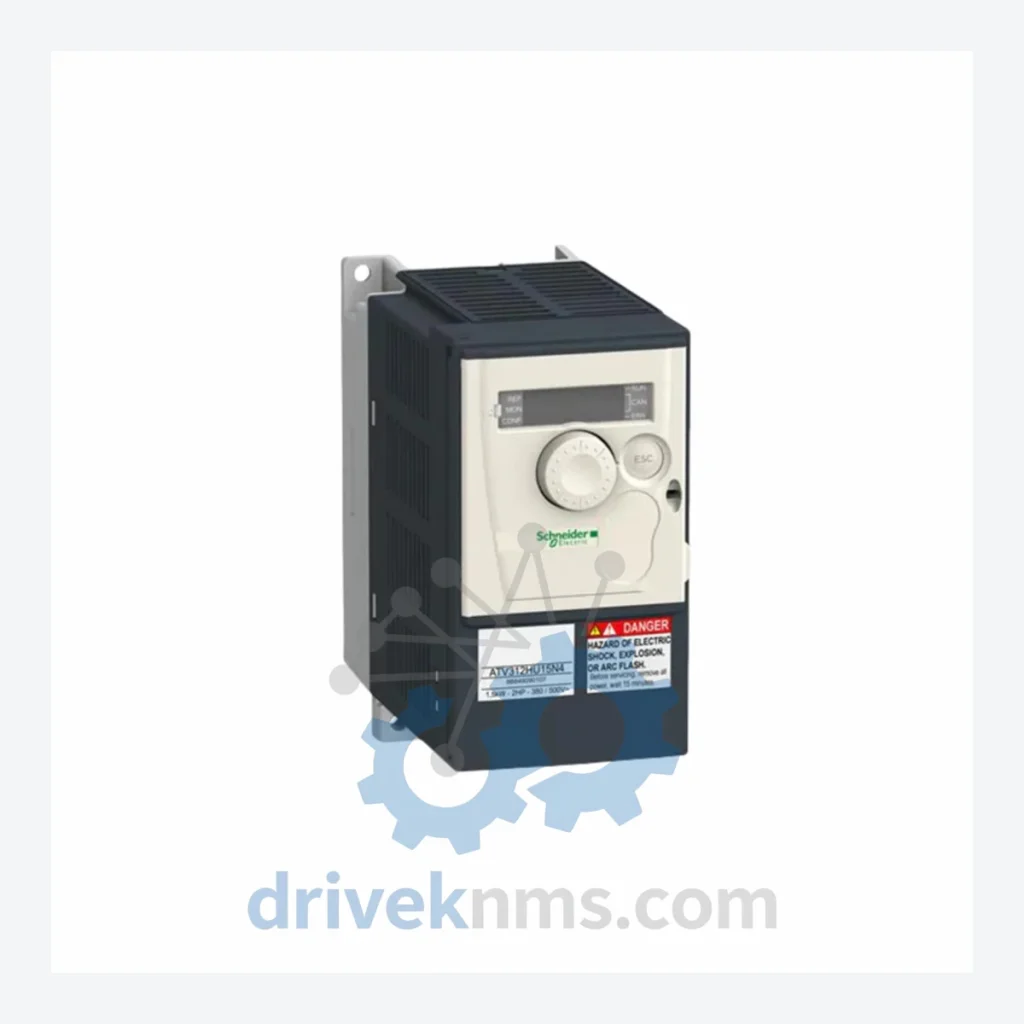
Product Overview
Commercial availability is handled through direct RFQ, model verification and export-oriented follow-up rather than public cart checkout.
Datasheet Preview
Use attached product manuals when available. If the manual is not public yet, request the full file directly through RFQ.
Commercial Path
Product pages on DRIVEKNMS are designed to verify model, brand and series first, then move the buyer into one clean quotation path.
Technical Dossier
DriveKNMS reviews sourcing options for this model through RFQ handling before quotation.
RFQ support for obsolete parts: Send the model number, required quantity and destination so DriveKNMS can confirm sourcing options before quotation.
| Parameter | Value |
|---|---|
| Part Number | ATV312HU15N4 |
| Brand | Schneider Electric |
| Series | Altivar 312 (ATV312) |
| Product Status | Discontinued / End of Life – Superseded by ATV320 series |
| Motor Power | 1.5 kW (2 HP) |
| Supply Voltage | 380–500 V AC, Three-Phase |
| Output Current | 4.1 A |
| Supply Frequency | 50/60 Hz |
| Output Frequency Range | 0.1–500 Hz |
| Protection Rating | IP20 |
| Country of Origin | France |
| Compatible Systems | Schneider Altivar 312 installations; Modbus RTU / CANopen fieldbus environments |
The Altivar 312 series was a widely deployed drive platform across light industrial, building automation, and process control applications throughout the 2000s and 2010s. Schneider Electric has formally transitioned its product roadmap to the ATV320 family, leaving ATV312 users without factory support, firmware updates, or new unit supply through standard distribution channels.
For plant managers operating legacy systems, this creates a structural risk: the installed base continues to run, but the replacement supply chain has collapsed. The ATV312HU15N4 — rated for 1.5 kW three-phase applications — is particularly common in pump control panels, small conveyor drives, and fan speed regulation circuits that were engineered specifically around its footprint, terminal layout, and parameter set.
Replacing an ATV312HU15N4 with a non-identical drive is not a simple swap. It requires verifying motor compatibility, re-entering all drive parameters, validating acceleration and deceleration ramps, and confirming fieldbus communication behavior. In a regulated production environment, this may also trigger a change control process. The engineering cost of that substitution — even when successful — typically exceeds the cost of sourcing an original unit by a significant margin.
Step 2 – Firmware Version Verification: The installed firmware version is confirmed and documented. Units are checked against known revision histories to identify any units carrying early firmware with documented field issues.
Step 3 – Terminal and Pin Corrosion Inspection: All control terminals, power terminals, and communication ports are inspected under magnification for oxidation, corrosion, or mechanical damage. Affected contacts are cleaned or the unit is rejected.
Step 4 – Power-On Functional Test: Each unit is bench-tested under controlled conditions to verify correct display operation, parameter access, and basic drive output behavior.
Step 5 – Packaging and Storage Verification: Units are stored in ESD-safe, climate-controlled conditions and packaged to prevent transit damage. Storage history is documented where available.
The ATV312HU15N4 is a direct, drop-in replacement for any existing ATV312HU15N4 installation. It shares the identical physical footprint, terminal assignment, and parameter structure as the original factory unit. This means:
This is the operational case for sourcing exact-match obsolete spares rather than accepting a cross-reference substitute. The engineering hours avoided, the change control documentation not required, and the production schedule not disrupted represent real, measurable cost avoidance — not a theoretical benefit.
The decision to retire an automation system is rarely driven by the system's inability to perform its function. It is driven by the inability to maintain it. When spare parts become unavailable, the risk calculus shifts: a single component failure can force an unplanned capital project that the budget cycle was not prepared for.
The most cost-effective response to this risk is not reactive — it is positional. Facilities that have successfully operated legacy Altivar 312 installations 5 to 10 years beyond Schneider's end-of-support date share a common characteristic: they identified their critical single points of failure and secured verified spare inventory before the market dried up.
DriveKNMS works with procurement and maintenance teams to structure spare parts positions for legacy drive systems. Inquiries about multi-unit pricing, long-term storage packaging, and condition documentation are welcome.
Q: How do I know the unit is genuine and not a counterfeit?
A: All units are inspected for label authenticity, serial number format, and internal construction consistency with known genuine ATV312 units. We do not source from unverified secondary markets. Unit provenance is documented where available.
Q: Should I buy more than one unit as a long-term spare?
A: For any production-critical application, holding at least one verified spare on-site is standard practice. For facilities with multiple ATV312HU15N4 installations, a two-unit spare position is a defensible maintenance investment given the declining availability of this model in the secondary market.
Q: Can you help me identify other ATV312 variants I may need?
A: Yes. Contact us with your full drive inventory list and we can advise on availability and recommend a spare parts position based on your installed base.
Continue The Model Path
Move from this exact model into the matching system hub, brand archive, model-family archive or lifecycle sourcing route before sending a final RFQ list.
Related Paths
Schneider Electric ATV340D11N4 is listed for Electric ATV340 Series RFQ review. Confirm quantity, condition and destination before quotation.
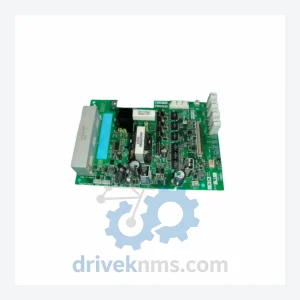
Schneider Electric PN658729P3 P6581868G2 is listed for Modicon Series RFQ review. Confirm quantity, condition and destination before quotation.
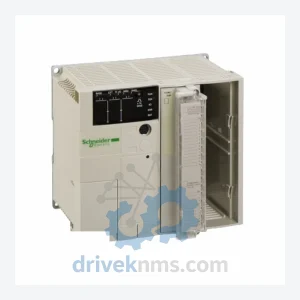
Schneider Electric TSX3721001 is listed for Momentum Series RFQ review. Confirm quantity, condition and destination before quotation.