
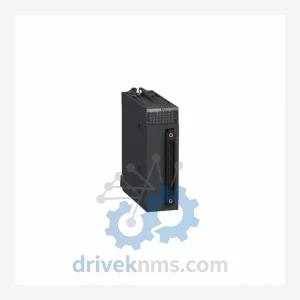
Schneider Electric BMXDDO3202K Discrete Output Module – Modicon M340
Schneider Electric BMXDDO3202K is listed for Modicon M340 RFQ review. Confirm quantity, condition and destination before quotation.
RFQ-ready industrial model
Model: BMXCPS3500
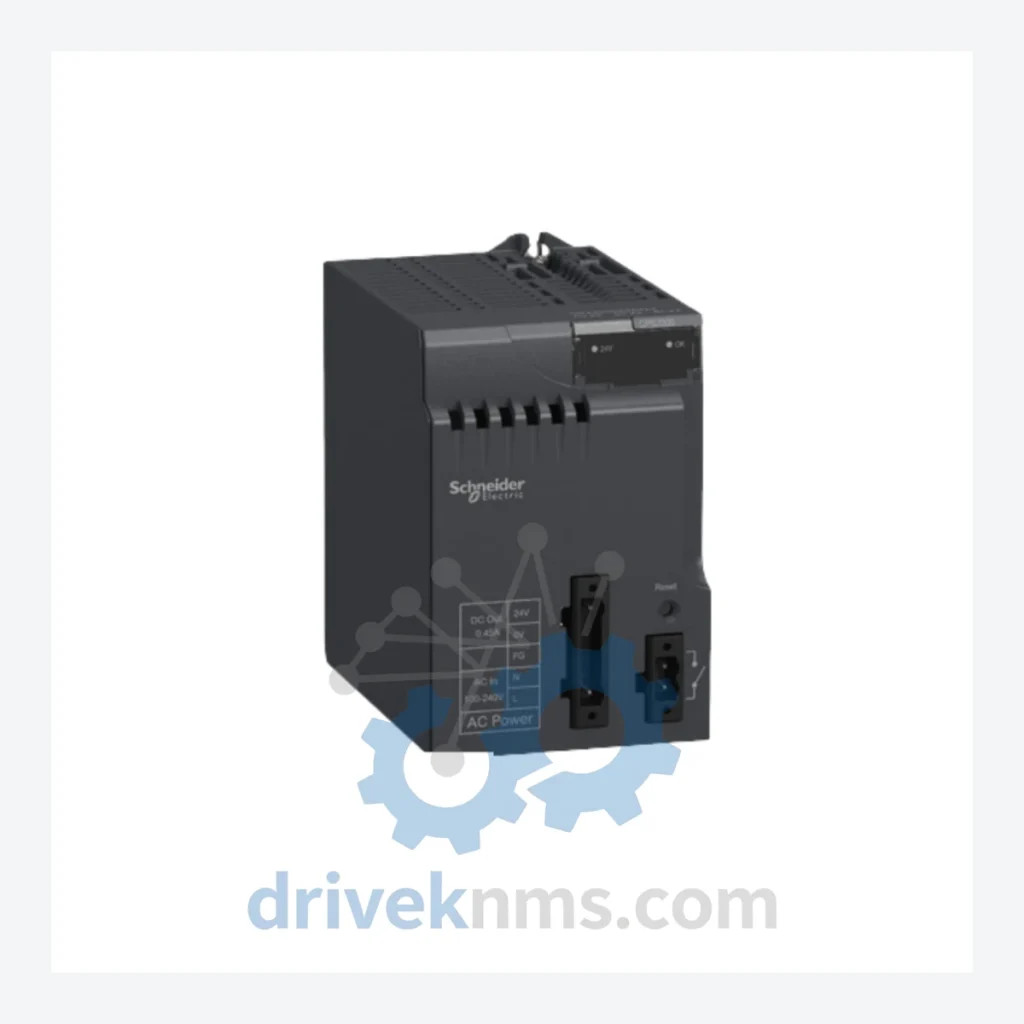
Product Overview
Commercial availability is handled through direct RFQ, model verification and export-oriented follow-up rather than public cart checkout.
Datasheet Preview
Use attached product manuals when available. If the manual is not public yet, request the full file directly through RFQ.
Commercial Path
Product pages on DRIVEKNMS are designed to verify model, brand and series first, then move the buyer into one clean quotation path.
Technical Dossier
The Schneider Electric Modicon M340 platform, identified by the BMX prefix, is a mid-range programmable automation controller (PAC) deployed across global heavy industry sectors including petrochemical refineries, nuclear auxiliary systems, offshore oil & gas platforms, water treatment infrastructure, and continuous-process chemical plants. The M340 rack architecture supports hot-standby redundancy configurations and is certified to IEC 61131-3, making it a reference platform for safety-instrumented and process-critical applications. Installed base counts in the hundreds of thousands of racks globally, with active deployments spanning facilities operated by major EPC contractors and national energy utilities.
The Modicon M340 platform was introduced by Schneider Electric in 2006 as the successor to the Modicon Quantum (140-prefix) and Modicon Premium (TSX-prefix) families for mid-range applications. The BMX architecture introduced a unified backplane bus operating at 32-bit width, replacing the proprietary X-Bus of the Premium series. Early revisions (firmware <2.0) supported only Ethernet/IP and Modbus TCP; subsequent hardware revisions added CANopen master capability natively on the CPU module and expanded the analog I/O resolution from 12-bit to 16-bit on select modules. The platform reached general availability maturity around 2010–2012 and entered the sustained/mature lifecycle phase by 2018. As of 2024, Schneider Electric has positioned the Modicon M580 (BMEP/BMEH prefix) as the strategic successor, though M340 hardware remains in active production and full technical support. Compatibility between M340 and M580 racks is not direct — backplane connectors and bus protocols differ — making like-for-like M340 spare parts the only field-replaceable option for existing installations without a full migration project.
Power Supply Modules
CPU / Controller Modules
Digital Input Modules
Digital Output Modules
Analog Input / Output Modules
Communication & Network Adapter Modules
Each BMX module processed by DriveKNMS undergoes a structured test protocol specific to the M340 backplane architecture. Power supply modules (BMXCPS series) are bench-tested under full resistive load across the rated input voltage range, with output ripple measured against Schneider Electric's published tolerance bands. CPU modules are powered in an isolated M340 rack, firmware version verified, application memory read/write cycled, and all communication ports (Ethernet, CANopen, Modbus serial) exercised with protocol-level handshake confirmation. Digital I/O modules are tested channel-by-channel using a dedicated breakout fixture. Analog modules are calibrated against a traceable reference standard with gain and offset error recorded. All test results are logged per serial number and accompany the shipment as a test certificate.
Continue The Model Path
Move from this exact model into the matching system hub, brand archive, model-family archive or lifecycle sourcing route before sending a final RFQ list.
Related Paths
Schneider Electric BMXDDO3202K is listed for Modicon M340 RFQ review. Confirm quantity, condition and destination before quotation.
Schneider Electric BMXDDI6402K is listed for Modicon M340 RFQ review. Confirm quantity, condition and destination before quotation.
Schneider Electric BMXDDO6402K is listed for Modicon M340 RFQ review. Confirm quantity, condition and destination before quotation.