
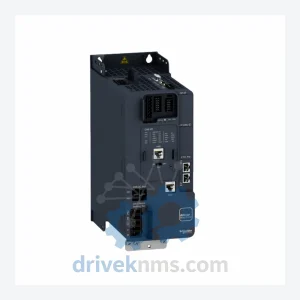
Schneider Electric ATV340 Series Drives: ATV340D11N4
Schneider Electric ATV340D11N4 is listed for Electric ATV340 Series RFQ review. Confirm quantity, condition and destination before quotation.
RFQ-ready industrial model
Model: GVAD1001
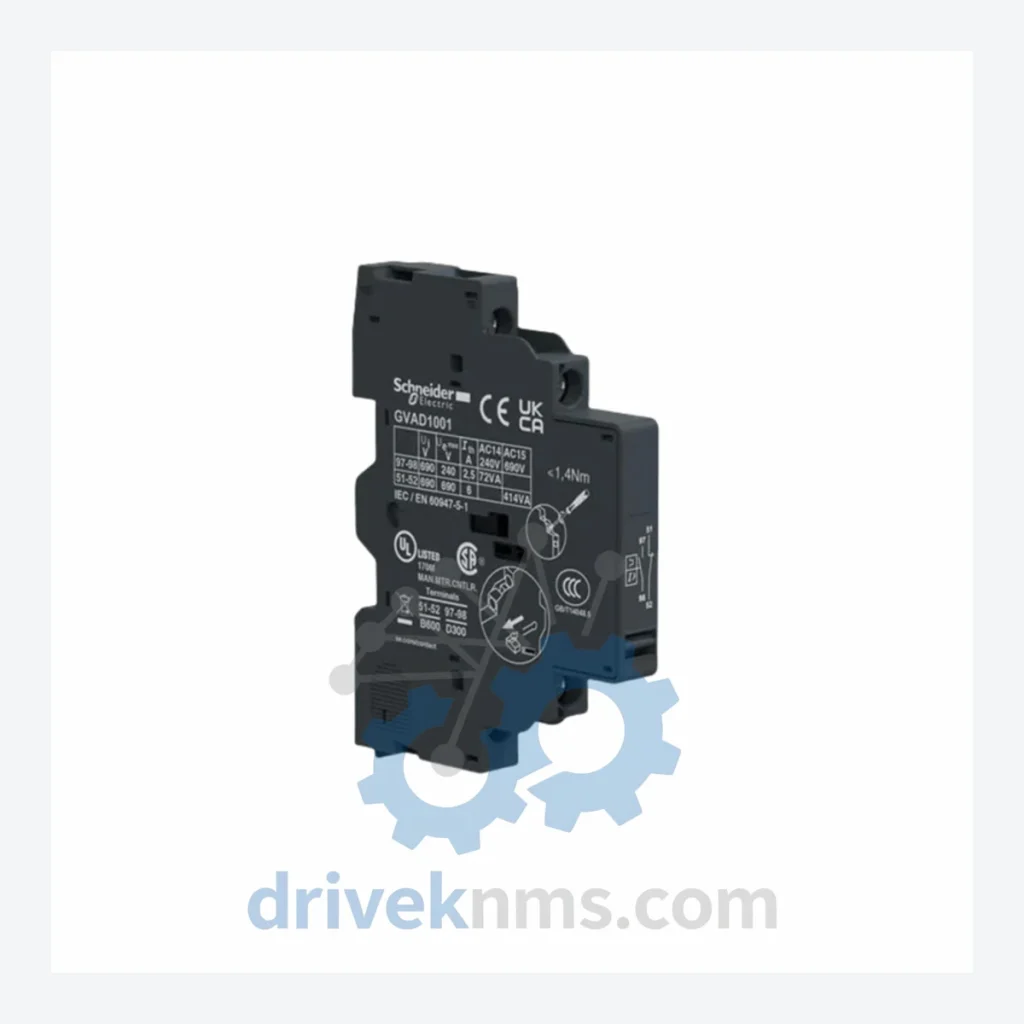
Product Overview
Commercial availability is handled through direct RFQ, model verification and export-oriented follow-up rather than public cart checkout.
Datasheet Preview
Use attached product manuals when available. If the manual is not public yet, request the full file directly through RFQ.
Commercial Path
Product pages on DRIVEKNMS are designed to verify model, brand and series first, then move the buyer into one clean quotation path.
Technical Dossier
RFQ support for obsolete parts: Send the model number, required quantity and destination so DriveKNMS can confirm sourcing options before quotation.
| Parameter | Detail |
|---|---|
| Manufacturer | Schneider Electric |
| Part Number | GVAD1001 |
| Series | TeSys GV |
| Product Type | Motor Circuit Breaker / Motor Protector |
| Product Status | Discontinued / Obsolete |
| Country of Origin | France |
| Compatible Systems | TeSys GV series motor starter assemblies; legacy Schneider Electric motor control centers (MCC) |
Note: Electrical parameters such as current rating and breaking capacity are not published here to prevent specification errors. Please contact us with your application requirements for verified data confirmation before ordering.
The Schneider Electric TeSys GV series was widely deployed across motor control centers in manufacturing, water treatment, and process industries throughout the 1990s and 2000s. The GVAD1001 served as an accessory module within these assemblies, providing auxiliary contact or alarm signaling functions critical to motor protection logic. When Schneider Electric discontinued this product line, it left a significant installed base without a direct factory-supported replacement path.
This is the core argument for maintaining a strategic spare parts inventory for discontinued automation components: the cost of a single unplanned production stoppage almost always exceeds the cost of holding several years' worth of critical spare parts. For high-utilization lines running three shifts, the calculus is even more decisive.
How to Extend Automation Asset Life by 5–10 Years Through Strategic Spare Parts Management
Plant managers facing pressure to retire aging but functional automation systems should consider the following framework before committing to a full system replacement:
4. Document and Standardize Your Maintenance Procedures. Ensure that replacement procedures for discontinued components are documented in your CMMS. Institutional knowledge about legacy systems is frequently lost when experienced technicians retire. Written procedures reduce dependency on individual expertise.
5. Plan for Controlled Obsolescence. Use the extended operational window provided by spare parts availability to plan a phased, budget-controlled migration rather than a crisis-driven replacement. A five-year runway allows capital planning, engineering design, and staged implementation without production disruption.
All GVAD1001 units supplied by DriveKNMS undergo a structured five-step incoming inspection process before dispatch:
Step 1 – Visual and Mechanical Inspection: Physical examination for housing cracks, contact pin deformation, and label integrity. Units with evidence of field damage or improper storage are rejected at this stage.
Step 2 – Electrolytic Capacitor Assessment: Where applicable, internal capacitor condition is evaluated. Aged electrolytic capacitors are a primary failure mode in stored electronic components and represent a latent reliability risk if not identified prior to installation.
Step 3 – Contact and Terminal Inspection: All electrical contact surfaces and terminal pins are inspected for oxidation, corrosion, and mechanical wear. Affected surfaces are treated or the unit is rejected.
Step 4 – Firmware and Configuration Verification: For units with embedded firmware or configurable parameters, version integrity is confirmed against known-good references where documentation is available.
Continue The Model Path
Move from this exact model into the matching system hub, brand archive, model-family archive or lifecycle sourcing route before sending a final RFQ list.
Related Paths
Schneider Electric ATV340D11N4 is listed for Electric ATV340 Series RFQ review. Confirm quantity, condition and destination before quotation.
Schneider Electric PN658729P3 P6581868G2 is listed for Modicon Series RFQ review. Confirm quantity, condition and destination before quotation.
Schneider Electric TSX3721001 is listed for Momentum Series RFQ review. Confirm quantity, condition and destination before quotation.