
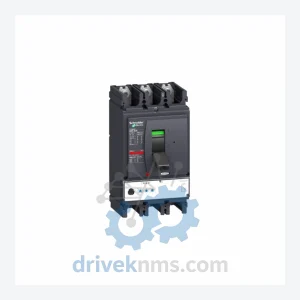
Schneider NSX630N Fixed Circuit Breaker – Compact NSX
Schneider Electric NSX630N is listed for Compact NSX RFQ review. Confirm quantity, condition and destination before quotation.
RFQ-ready industrial model
Model: NSX250N
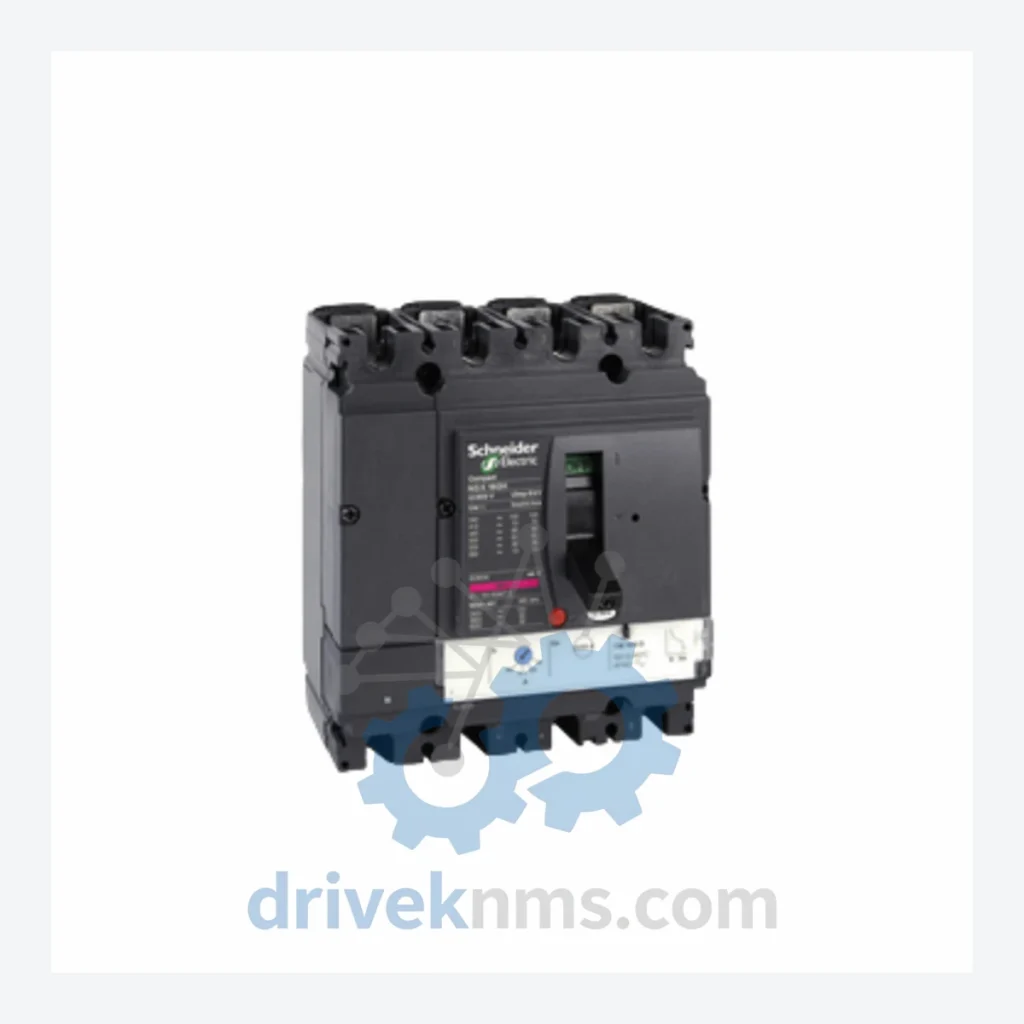
Product Overview
Commercial availability is handled through direct RFQ, model verification and export-oriented follow-up rather than public cart checkout.
Datasheet Preview
Use attached product manuals when available. If the manual is not public yet, request the full file directly through RFQ.
Commercial Path
Product pages on DRIVEKNMS are designed to verify model, brand and series first, then move the buyer into one clean quotation path.
Technical Dossier
| Parameter | Value |
|---|---|
| Manufacturer | Schneider Electric |
| Series | Compact NSX |
| Model | NSX250N |
| Frame Rating | 250 A |
| Breaking Capacity (Icu) at 415V AC | 50 kA |
| Mounting Type | Fixed (non-withdrawable) |
| Poles | 3P / 4P (confirm at order) |
| Standard | IEC 60947-2 |
| Country of Origin | France |
| Availability Status | Active product – critical emergency spare sourced from verified channels |
Note: Electrical parameters listed above are drawn from published Schneider Electric documentation. Confirm exact variant (trip unit type, pole configuration) before ordering. DriveKNMS does not fabricate specifications.
The Compact NSX platform has been the backbone of industrial low-voltage power distribution for decades. NSX250N units are embedded in Motor Control Centers, distribution boards, and machine protection panels across petrochemical, automotive, food processing, and water treatment facilities worldwide. The fixed-mount design means the breaker is mechanically integrated into the busbar assembly — a direct replacement with the same frame and connection geometry is the only practical option that avoids panel reconstruction.
How to extend your Compact NSX-based electrical infrastructure by 5–10 years without a full panel replacement:
Every NSX250N unit shipped by DriveKNMS passes a structured 5-step inspection protocol before dispatch:
Units are packed in anti-static, moisture-resistant packaging with individual inspection records. Condition grade (New / Surplus New / Tested Refurbished) is declared on the shipping documentation.
Q: How are RFQ terms confirmed?
A: Quantity, required condition, documentation needs, destination and sourcing route are confirmed during RFQ review before quotation.
How do I confirm the unit is new or quality-refurbished — not a counterfeit?
DriveKNMS provides the condition grade declaration, inspection record, and — where available — original manufacturer packaging or serialization data with every shipment. We source from verified industrial surplus channels and do not handle units of unknown provenance. Customers are encouraged to request documentation before purchase.
Should I buy more than one unit?
For any NSX250N position that protects a process you cannot afford to stop, holding a minimum of two units — one installed, one on the shelf — is the standard recommendation in industrial maintenance practice. For facilities with multiple identical positions, a shared pool of two to three spares per configuration is a defensible minimum. The cost of carrying spare inventory is a fraction of one unplanned production stoppage.
Can DriveKNMS source specific trip unit variants or accessory configurations?
Contact us with the full catalog reference. We maintain relationships with multiple surplus and distribution channels and can advise on availability for specific configurations.
Continue The Model Path
Move from this exact model into the matching system hub, brand archive, model-family archive or lifecycle sourcing route before sending a final RFQ list.
Related Paths
Schneider Electric NSX630N is listed for Compact NSX RFQ review. Confirm quantity, condition and destination before quotation.
Schneider Electric NSX400N is listed for Compact NSX RFQ review. Confirm quantity, condition and destination before quotation.
Schneider Electric NSX100N is listed for Compact NSX RFQ review. Confirm quantity, condition and destination before quotation.