
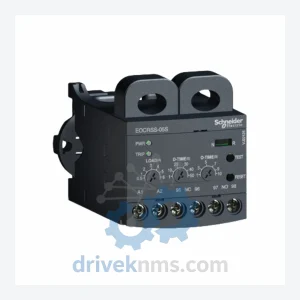
Schneider Electric EOCR-SS Modules: EOCRSS-05RY7
Schneider Electric EOCR-SS EOCRSS-05RY7 is listed for Controller Cards RFQ review. Confirm quantity, condition and destination before quotation.
RFQ-ready industrial model
Model: TSX3710001
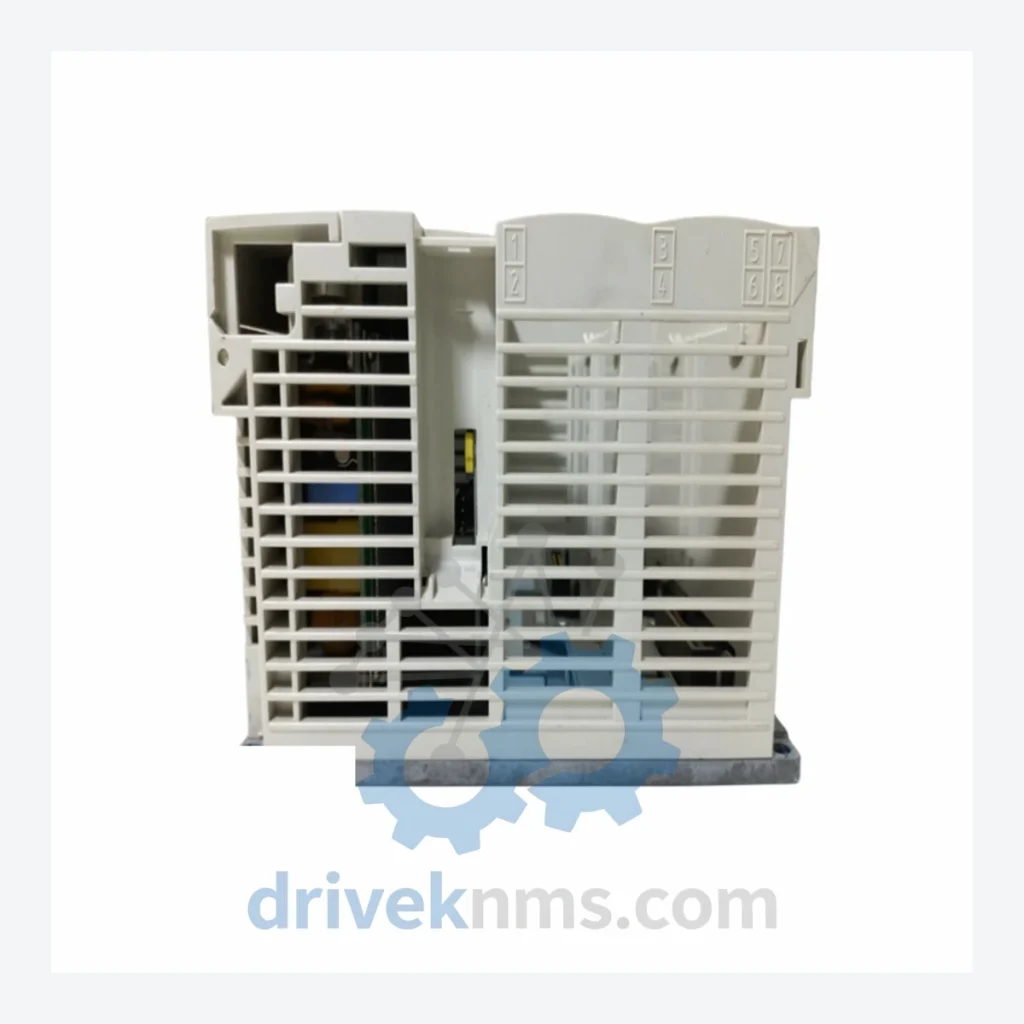
Product Overview
Commercial availability is handled through direct RFQ, model verification and export-oriented follow-up rather than public cart checkout.
Datasheet Preview
Use attached product manuals when available. If the manual is not public yet, request the full file directly through RFQ.
Commercial Path
Product pages on DRIVEKNMS are designed to verify model, brand and series first, then move the buyer into one clean quotation path.
Technical Dossier
The Schneider Electric TSX37 series, part of the Modicon TSX Micro programmable logic controller family, holds a significant installed base across global heavy industries including petrochemical plants, nuclear facilities, oil refineries, water treatment stations, and continuous manufacturing lines. Introduced as a compact yet capable mid-range PLC platform, the TSX37 series became a standard automation backbone throughout the 1990s and 2000s in European and Asian industrial markets. Its modular rack architecture, deterministic scan cycle, and broad I/O expansion capability made it a preferred choice for process engineers requiring reliable discrete and analog control without the overhead of full-scale DCS infrastructure. Today, the TSX37 series is in its mature/end-of-life phase; Schneider Electric has transitioned customers toward the Modicon M340 and M580 platforms. However, tens of thousands of TSX37-based systems remain operational globally, creating sustained demand for original spare parts, tested replacement modules, and lifecycle extension support.
The TSX37 series was launched as the successor to the TSX17 compact PLC line, offering expanded memory, faster processing, and a modular bus structure compatible with the FIPIO and Uni-Telway fieldbus protocols. Early variants such as the TSX3705 and TSX3708 provided base configurations with onboard I/O and limited expansion slots. The mid-generation TSX3710 and TSX3720 models introduced enhanced CPU performance, expanded program memory (up to 16K instructions), and support for additional analog and specialty modules via the TSX BUS expansion rack. Late-generation variants added Ethernet connectivity options through communication adapters, bridging the TSX37 into modern SCADA and MES environments. Compatibility challenges arise primarily when integrating TSX37 racks with newer Modicon platforms: the proprietary Uni-Telway serial protocol is not natively supported by M340/M580 CPUs without gateway modules, and TSX37 I/O modules are not hot-swappable in the same manner as later Modicon X80 I/O. Engineers maintaining mixed-generation plants must account for these protocol and physical bus differences when planning partial migrations or expansions.
The following SKUs represent the core and most commonly sourced modules within the TSX37 series, organized by functional category. All models listed are verified members of the TSX Micro TSX37 product family.
CPU / Base Controllers
Digital Input Modules (DI)
Digital Output Modules (DO)
Analog Input/Output Modules (AI/AO)
Communication & Specialty Modules
The TSX37 series presents specific quality verification challenges due to its proprietary backplane bus architecture and the age profile of available inventory. DriveKNMS applies a dedicated test protocol for all TSX37 modules prior to shipment. CPU modules including the TSX3710001 are powered up and subjected to full program load/execute cycles using reference ladder logic routines, with Uni-Telway communication verified against a reference master station. I/O modules are tested channel-by-channel using calibrated signal sources and loads, with leakage current and isolation resistance measured to confirm that aging components remain within specification. Analog modules are calibrated against NIST-traceable references to verify linearity and offset. Backplane connectors are inspected under magnification for pin deformation, oxidation, and mechanical wear — a common failure mode in modules that have experienced repeated insertion cycles. All modules that pass the full test sequence are issued a DriveKNMS test certificate with date, technician ID, and measured parameters.
Continue The Model Path
Move from this exact model into the matching system hub, brand archive, model-family archive or lifecycle sourcing route before sending a final RFQ list.
Related Paths
Schneider Electric EOCR-SS EOCRSS-05RY7 is listed for Controller Cards RFQ review. Confirm quantity, condition and destination before quotation.
Schneider Electric LC1D12M7C is listed for TeSys D RFQ review. Confirm quantity, condition and destination before quotation.
Schneider Electric 140CRP93100 is listed for Modicon Quantum RFQ review. Confirm quantity, condition and destination before quotation.