
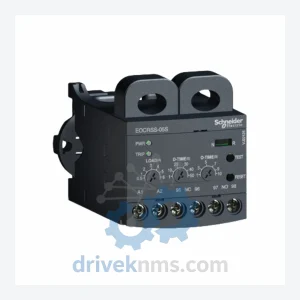
Schneider Electric EOCR-SS Modules: EOCRSS-05RY7
Schneider Electric EOCR-SS EOCRSS-05RY7 is listed for Controller Cards RFQ review. Confirm quantity, condition and destination before quotation.
RFQ-ready industrial model
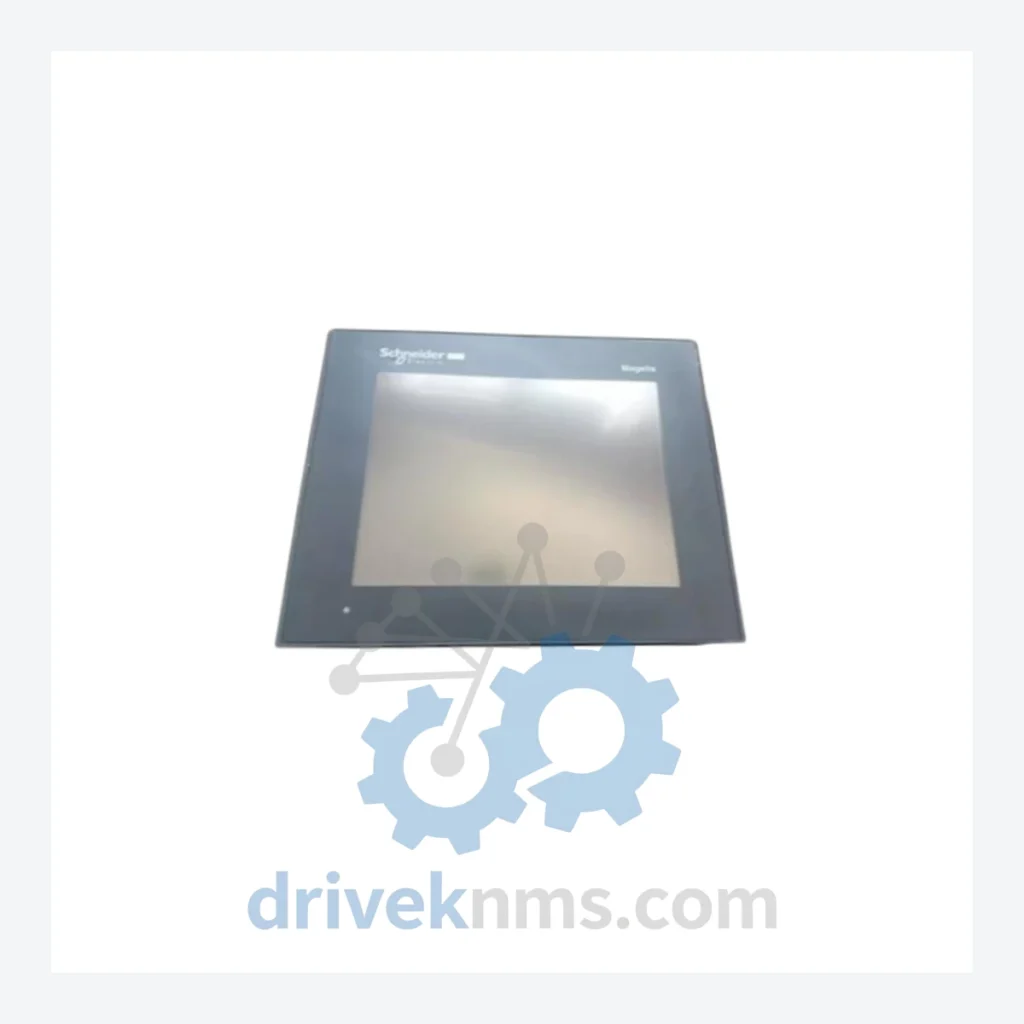
Model: XBTGT340
Product Overview
Commercial availability is handled through direct RFQ, model verification and export-oriented follow-up rather than public cart checkout.
Datasheet Preview
Use attached product manuals when available. If the manual is not public yet, request the full file directly through RFQ.
Commercial Path
Product pages on DRIVEKNMS are designed to verify model, brand and series first, then move the buyer into one clean quotation path.
Technical Dossier
The Schneider Electric Magelis XBTGT series represents one of the most widely deployed advanced touchscreen HMI product lines in global heavy industry. Installed across petrochemical complexes, nuclear power facilities, offshore platforms, and continuous-process refineries, the XBTGT range provides operator interface functionality for SCADA, DCS, and PLC-based control architectures. Its adoption in safety-critical environments is attributable to its deterministic communication stack, ruggedized enclosure ratings, and compatibility with Schneider's Modicon PLC ecosystem as well as third-party controllers via standard fieldbus protocols. The series spans display sizes from 5.7" to 15", supporting both standalone HMI operation and networked multi-panel configurations.
The XBTGT series succeeded the earlier XBT-F and XBT-N ranges, introducing a 32-bit ARM-based processing architecture and a resistive touchscreen interface capable of operating in high-vibration and high-humidity industrial environments. Early XBTGT units (circa 2004–2008) shipped with Vijeo Designer Lite, a Windows-based configuration environment that generated compact runtime packages deployable via CompactFlash or USB. Mid-generation units introduced Ethernet connectivity (10/100BASE-T) alongside legacy RS-232/RS-485 serial ports, enabling integration with both legacy Modbus RTU networks and modern Modbus TCP/IP architectures. Later revisions added CANopen and Uni-Telway support, broadening compatibility with Schneider's TSX Micro and Premium PLC families. The XBTGT series has entered its end-of-commercialization phase; Schneider Electric has designated the Magelis GTO and HMIGTO series as the primary migration path. However, the installed base remains extensive, and replacement units, spare panels, and refurbished modules continue to be in active demand for brownfield maintenance contracts.
The following SKUs represent verified, commonly sourced models within the XBTGT series, classified by display size and communication configuration:
XBTGT1130: 3.8" STN monochrome touchscreen, RS-232/RS-485, Modbus RTU, 128KB application memory.
XBTGT1335: 3.8" STN monochrome, dual serial ports, Uni-Telway + Modbus RTU support.
XBTGT2120: 5.7" STN monochrome touchscreen, RS-232/RS-485, 256KB memory, panel-mount.
XBTGT2220: 5.7" STN monochrome, Ethernet 10/100, Modbus TCP/IP + serial Modbus RTU.
XBTGT2330: 5.7" STN monochrome, CANopen + RS-485, for distributed I/O bus topologies.
XBTGT4330: 7.5" TFT color touchscreen, RS-232/RS-485, 512KB application memory.
XBTGT5230: 10.4" TFT color touchscreen, Ethernet + serial, 1MB memory, QVGA resolution.
XBTGT5330: 10.4" TFT color, CANopen + Ethernet, dual-port communication architecture.
XBTGT6340: 12.1" TFT color touchscreen, Ethernet 10/100, RS-232/RS-485, 2MB memory.
XBTGT7340: 15" TFT color touchscreen, Ethernet, RS-232/RS-485, high-brightness panel option.
XBTGT340: 5.7" STN monochrome touchscreen, RS-232/RS-485 serial, Modbus RTU, 256KB application memory, 24VDC supply, IP65 front face, panel-mount enclosure.
XBTGT2000: 5.7" STN monochrome, entry-level serial-only configuration, Modbus RTU.
XBTGT4000: 7.5" TFT color, serial communication, standard Vijeo Designer runtime.
XBTGT5000: 10.4" TFT color, Ethernet-ready, extended tag capacity for complex applications.
XBTGT6000: 12.1" TFT color, high-resolution display, multi-protocol communication stack.
Q: How are RFQ terms confirmed?
A: Quantity, required condition, documentation needs, destination and sourcing route are confirmed during RFQ review before quotation.
Continue The Model Path
Move from this exact model into the matching system hub, brand archive, model-family archive or lifecycle sourcing route before sending a final RFQ list.
Related Paths
Schneider Electric EOCR-SS EOCRSS-05RY7 is listed for Controller Cards RFQ review. Confirm quantity, condition and destination before quotation.
Schneider Electric LC1D12M7C is listed for TeSys D RFQ review. Confirm quantity, condition and destination before quotation.
Schneider Electric 140CRP93100 is listed for Modicon Quantum RFQ review. Confirm quantity, condition and destination before quotation.