

Siemens U-55T Output Module – Obsolete SIMATIC Series Spare Part
Siemens U-55T is listed for PLC Modules RFQ review. Confirm quantity, condition and destination before quotation.
RFQ-ready industrial model
Model: 6ES7 131-4BD01-0AA0
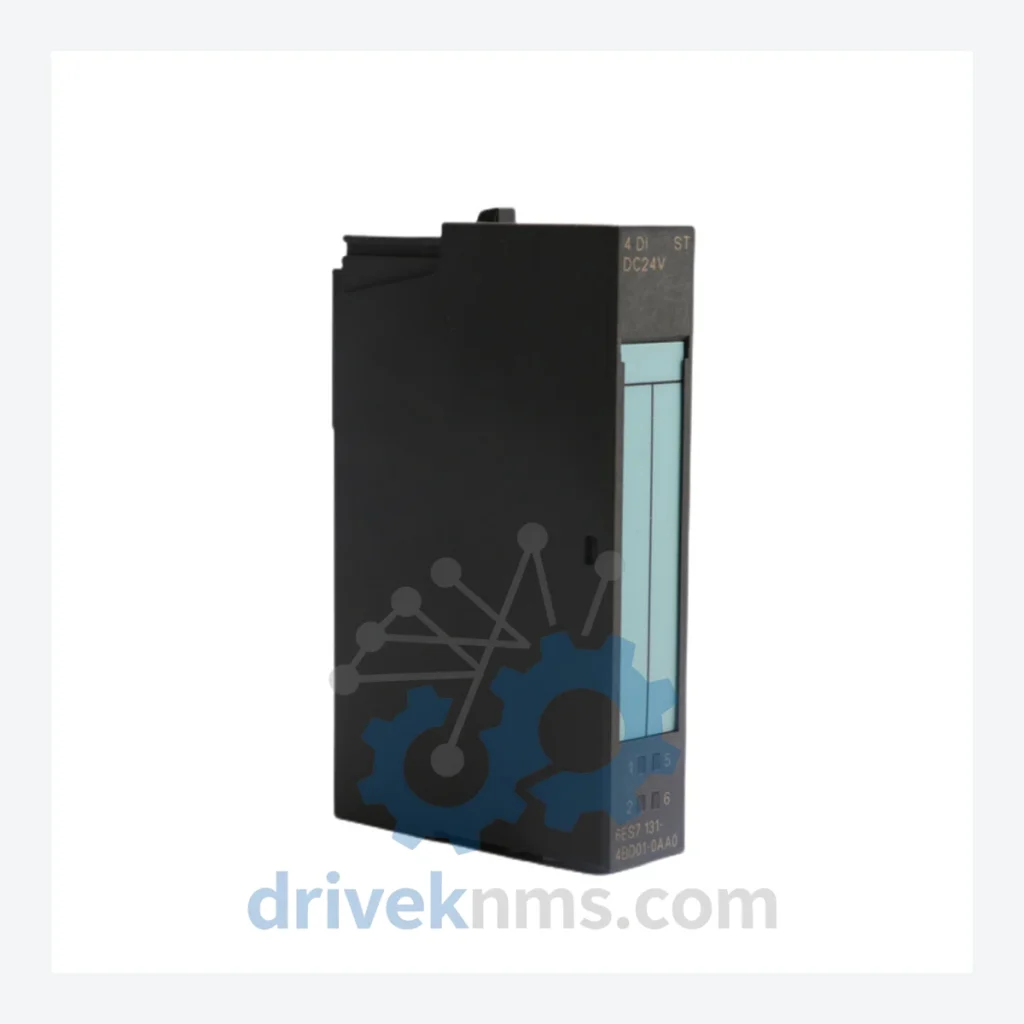
Product Overview
Commercial availability is handled through direct RFQ, model verification and export-oriented follow-up rather than public cart checkout.
Datasheet Preview
Use attached product manuals when available. If the manual is not public yet, request the full file directly through RFQ.
Commercial Path
Product pages on DRIVEKNMS are designed to verify model, brand and series first, then move the buyer into one clean quotation path.
Technical Dossier
DriveKNMS reviews sourcing options for this model through RFQ handling before quotation.
RFQ support for obsolete parts: Send the model number, required quantity and destination so DriveKNMS can confirm sourcing options before quotation.
| Parameter | Value |
|---|---|
| Part Number | 6ES7 131-4BD01-0AA0 |
| Manufacturer | Siemens AG |
| Product Family | SIMATIC ET 200S |
| Module Type | Electronic Module – Digital Input |
| Number of Inputs | 4 DI |
| Input Voltage | 24 V DC |
| Input Current (per channel) | Approx. 3.5 mA at 24 V DC |
| Backplane Bus Interface | ET 200S terminal module (TM-E series) |
| Dimensions (W × H × D) | 15 mm × 81 mm × 52 mm |
| Operating Temperature | 0 °C to +60 °C |
| Degree of Protection | IP20 |
| Country of Origin | Germany |
| Discontinuation Status | Discontinued – No longer in Siemens active production |
| Compatible Systems | Siemens SIMATIC ET 200S, S7-300, S7-400 distributed I/O configurations |
The SIMATIC ET 200S platform was deployed extensively in automotive assembly, food and beverage processing, chemical plants, and discrete manufacturing facilities throughout the 1990s and 2000s. Its modular architecture — where individual electronic modules slot into fixed terminal modules — made it a preferred choice for high-density I/O applications where panel space and wiring costs were primary constraints.
The 6ES7 131-4BD01-0AA0 occupies a specific role in that architecture: it handles 4-channel 24 V DC digital input acquisition, interfacing field sensors, proximity switches, and pushbuttons directly to the ET 200S backplane. There is no direct plug-in replacement from Siemens' current portfolio that fits the same terminal module footprint without hardware modification. Substituting a newer I/O platform requires replacing terminal modules, re-routing field wiring, and — critically — modifying the hardware configuration in the associated S7 CPU project, followed by a full functional test cycle.
How to extend the service life of an ET 200S-based system by 5–10 years:
Sourcing discontinued industrial components from the secondary market carries inherent risk. DriveKNMS applies a 5-step inspection protocol to every 6ES7 131-4BD01-0AA0 unit before it is offered for sale.
Q: How are RFQ terms confirmed?
A: Quantity, required condition, documentation needs, destination and sourcing route are confirmed during RFQ review before quotation.
How do I confirm the unit is genuine Siemens and not a counterfeit?
All units are sourced through traceable supply channels. Siemens holographic labels, date codes, and hardware revision markings are verified during intake inspection. We do not source from unverified brokers. Certificate of conformity is available on request.
Can you source other ET 200S modules?
Yes. DriveKNMS specializes in obsolete and hard-to-find Siemens SIMATIC components across the ET 200S, S7-300, S7-400, and related product families. Submit your full bill of materials for a consolidated quotation.
Continue The Model Path
Move from this exact model into the matching system hub, brand archive, model-family archive or lifecycle sourcing route before sending a final RFQ list.
Related Paths
Siemens U-55T is listed for PLC Modules RFQ review. Confirm quantity, condition and destination before quotation.

Siemens U-55N is listed for S5 Series RFQ review. Confirm quantity, condition and destination before quotation.

Siemens LFL1.322 is listed for PLC Modules RFQ review. Confirm quantity, condition and destination before quotation.