Technical Dossier
Product Details And Specifications
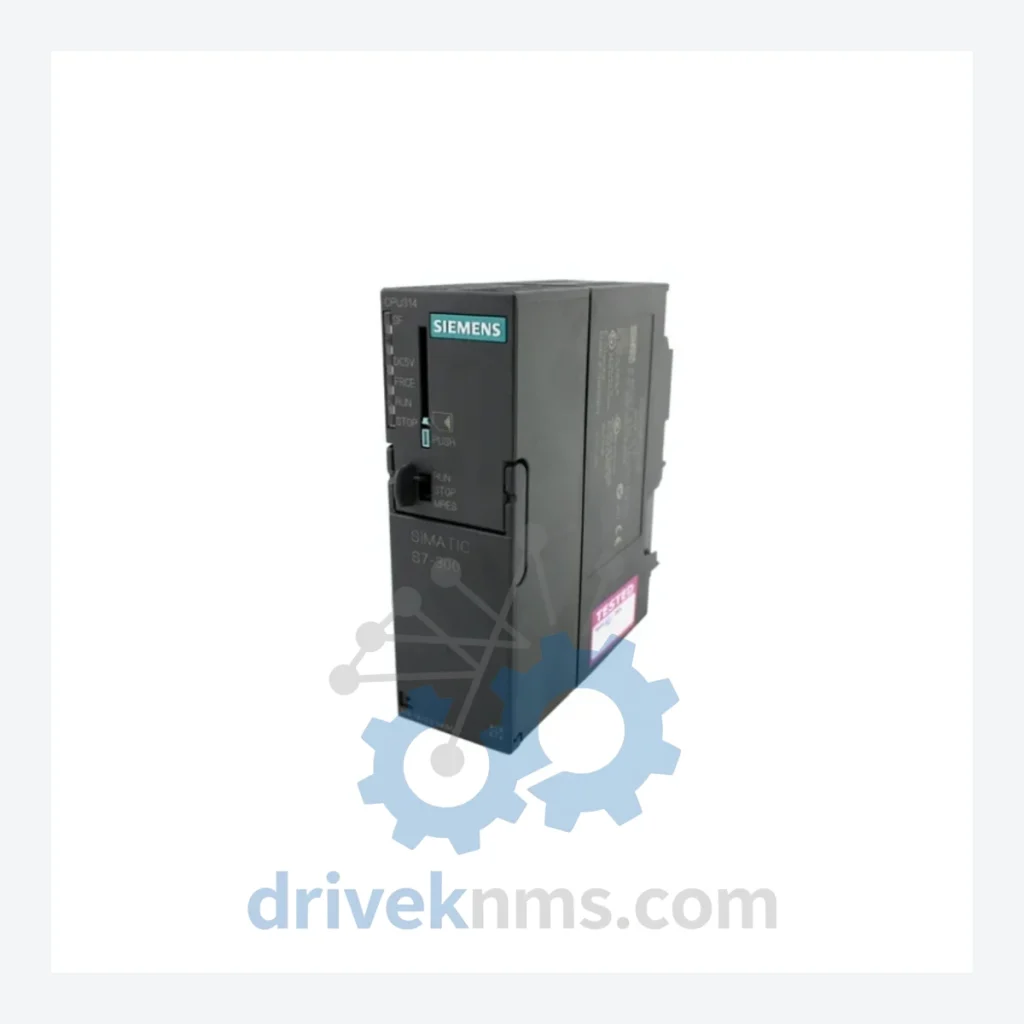
Siemens 6ES7314-1AG13-0AB0 CPU314 Processor Module – Obsolete SIMATIC S7-300 Spare Part
RFQ support for obsolete parts: Send the model number, required quantity and destination so DriveKNMS can confirm sourcing options before quotation.
Technical Specifications
| Manufacturer | Siemens |
| Part Number | 6ES7314-1AG13-0AB0 |
| Series | SIMATIC S7-300 |
| Module Type | CPU 314 – Central Processing Unit |
| Discontinuation Status | Discontinued / End of Life (EOL) – no longer available through Siemens standard supply chain |
| Work Memory | 96 KB |
| MPI Interface | Integrated (MPI/DP) |
| Power Supply Voltage | 24 V DC (via backplane bus) |
| Compatible Rack | SIMATIC S7-300 standard rail (UR1, UR2) |
| Compatible Systems | SIMATIC S7-300 installations; commonly paired with ET 200M distributed I/O, CP 343 communication processors, and FM 350/351 function modules |
| Country of Origin | Germany |
Solving the Discontinued Hardware Crisis
Q: How are RFQ terms confirmed?
A: Quantity, required condition, documentation needs, destination and sourcing route are confirmed during RFQ review before quotation.
The practical reality for most plant engineering teams is that the S7-300 infrastructure will remain operational for another 5 to 15 years regardless of the OEM's EOL announcement. The installed base is too large, the migration cost too high, and the production risk during cutover too significant to justify immediate replacement. What that means operationally is that CPU module availability — not software support — becomes the binding constraint on system longevity. A single failed 6ES7314-1AG13-0AB0 with no replacement on hand forces a decision that should have been made over 18 months with proper capital planning, not in 48 hours during a production stoppage.
How to Extend Your S7-300 Asset Life by 5–10 Years: A Low-Cost Maintenance Strategy
For plant managers and maintenance engineers operating legacy S7-300 systems under budget constraints, the following approach has been validated across multiple industrial facilities to defer migration costs while maintaining system reliability:
2. Audit your STEP 7 project backups. CPU replacement is only fast if the program backup is current, accessible, and version-matched. Facilities that lose production time after a CPU swap almost always do so because the backup was outdated or stored only on a decommissioned engineering workstation. Maintain at least two offline copies of each project, including the exact STEP 7 version used.
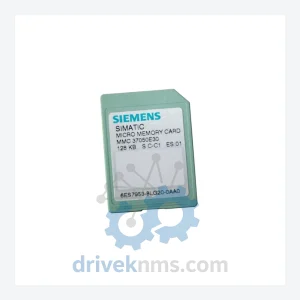
3. Monitor battery and capacitor health proactively. The CPU 314 uses a backup battery to retain the program in RAM during power loss. Battery failure is the most common cause of data loss on S7-300 CPUs. Replace batteries on a fixed schedule — not on failure — and log replacement dates in your maintenance system.
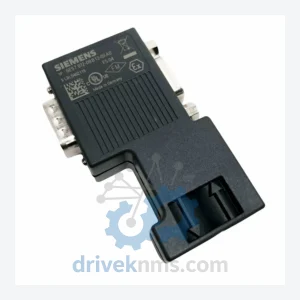
4. Maintain MPI/PROFIBUS network integrity. Degraded bus termination resistors and aging PROFIBUS cables are a leading cause of intermittent CPU faults that are misdiagnosed as CPU hardware failure. Before replacing a CPU, verify bus termination at both ends of the segment.
Condition & Reliability Assurance
Every 6ES7314-1AG13-0AB0 unit processed by DriveKNMS passes a structured 5-step inspection protocol before it is offered for sale:
Step 1 – Electrolytic Capacitor Assessment. Aging electrolytic capacitors are the primary failure mode in legacy PLC CPUs. Each unit is inspected for capacitor bulging, electrolyte leakage, and ESR (equivalent series resistance) deviation. Units with degraded capacitors are either recapped or rejected.
Step 2 – Firmware Version Verification. The firmware version is read and documented. Units are matched to the firmware revision expected by the customer's existing S7-300 configuration to avoid compatibility issues during installation.
Step 4 – Functional Power-On Test. Each unit is powered on in a controlled test rack and verified to complete its self-diagnostic cycle without fault codes. CPU RUN/STOP behavior is confirmed.
Step 5 – Cosmetic and Label Verification. The original Siemens part label, serial number, and firmware sticker are verified to be intact and legible. Units with missing or altered labels are flagged and disclosed.
Key Features for System Maintenance
The 6ES7314-1AG13-0AB0 is a direct hardware replacement for any existing CPU 314 installation within the S7-300 rack. No mechanical modification to the rack or backplane is required. The module slots into the standard S7-300 rail and connects via the backplane bus without adapter hardware.
Q: Should we buy multiple units as long-term spares?
A: For any facility running more than two S7-300 racks with CPU 314 modules, holding a minimum of two cold spares is a defensible maintenance strategy. The secondary market supply of verified 6ES7314-1AG13-0AB0 units is declining. Procurement now, at known cost, eliminates sourcing risk during a future unplanned outage.
Q: Can you source other S7-300 components?
A: Yes. DriveKNMS specializes in the full SIMATIC S7-300 ecosystem including SM modules, CP processors, FM function modules, and power supply units. Contact us with your complete BOM for a consolidated quotation.