Technical Dossier
Product Details And Specifications
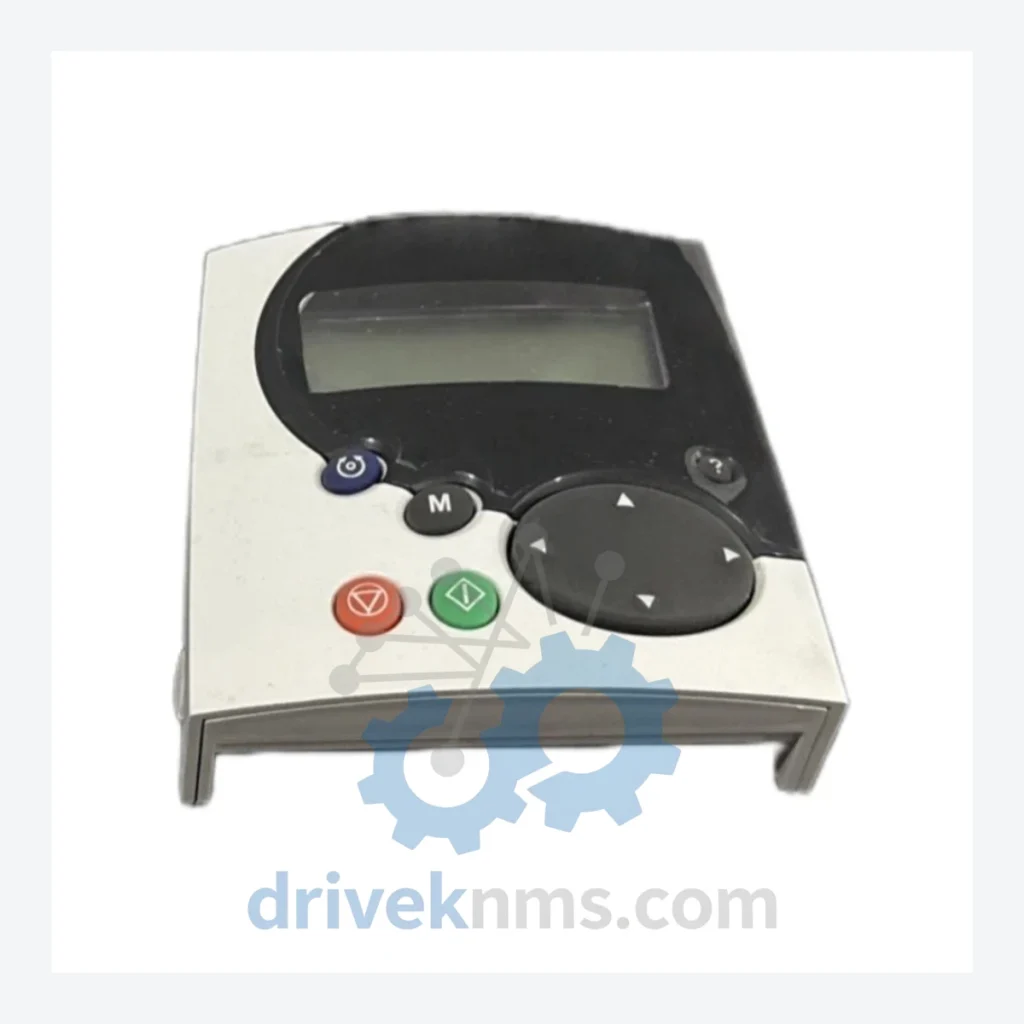
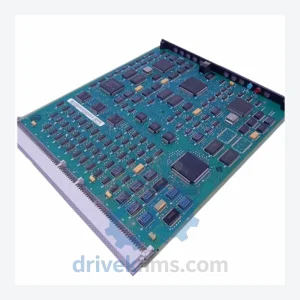
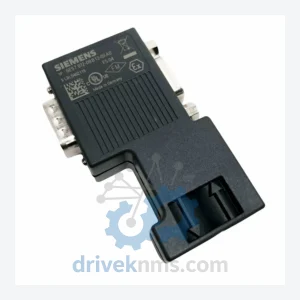
Siemens STDO32 Interface Option Module – Obsolete SM-KEYPAD Spare Part
RFQ support for obsolete parts: Send the model number, required quantity and destination so DriveKNMS can confirm sourcing options before quotation.
Technical Specifications
Note: Electrical parameters are verified against physical units only. No unconfirmed specifications are published. Contact us for datasheet confirmation prior to order.
Solving the Discontinued Hardware Crisis
The Siemens SM-KEYPAD platform was widely deployed across process industries — chemical plants, automotive body shops, food processing lines, and utilities — throughout the 1990s and 2000s. The STDO32 interface option module served as the communication bridge between operator keypad panels and the underlying SIMATIC control bus. When Siemens discontinued this product line, it left thousands of installed systems without a direct manufacturer replacement path.
The industrial reality is this: a plant running a SIMATIC S5-based line cannot simply swap in a modern S7 or TIA Portal system without a full engineering project. The STDO32 is not interchangeable with any current-generation Siemens module. Its bus protocol, physical form factor, and firmware handshake are specific to the SM-KEYPAD architecture. Sourcing a verified replacement unit is the only path to restoring operation without a capital project.
Condition & Reliability Assurance
DriveKNMS applies a 5-step quality assurance protocol to all obsolete and legacy modules before dispatch review:
- Step 1 – Visual and Physical Inspection: Full examination of PCB surface, connector pins, and housing for mechanical damage, corrosion, or evidence of prior field failure.
- Step 2 – Electrolytic Capacitor Assessment: Targeted inspection of electrolytic capacitors for bulging, leakage, or ESR degradation — the primary failure mode in modules stored beyond ten years.
- Step 3 – Pin and Contact Integrity Check: All edge connectors and interface pins are inspected under magnification for oxidation, bending, or cold-solder joints. Affected contacts are cleaned or re-treated as required.
- Step 4 – Firmware Version Verification: Where accessible, firmware or EPROM version is confirmed against known-compatible revision records for the target system.
- Step 5 – Functional Bench Test: Units are powered and tested on compatible test rigs where available. Test results are documented and accompany the shipment on request.