
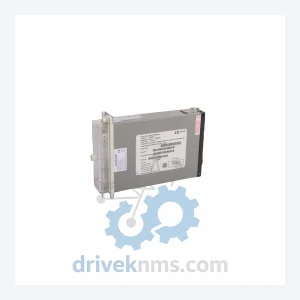
ALSTOM MVAJ105RA0802A Protection Relay – MiCOM Series
Alstom MVAJ105RA0802A is listed for MiCOM Series RFQ review. Confirm quantity, condition and destination before quotation.
RFQ-ready industrial model
Model: MD20A
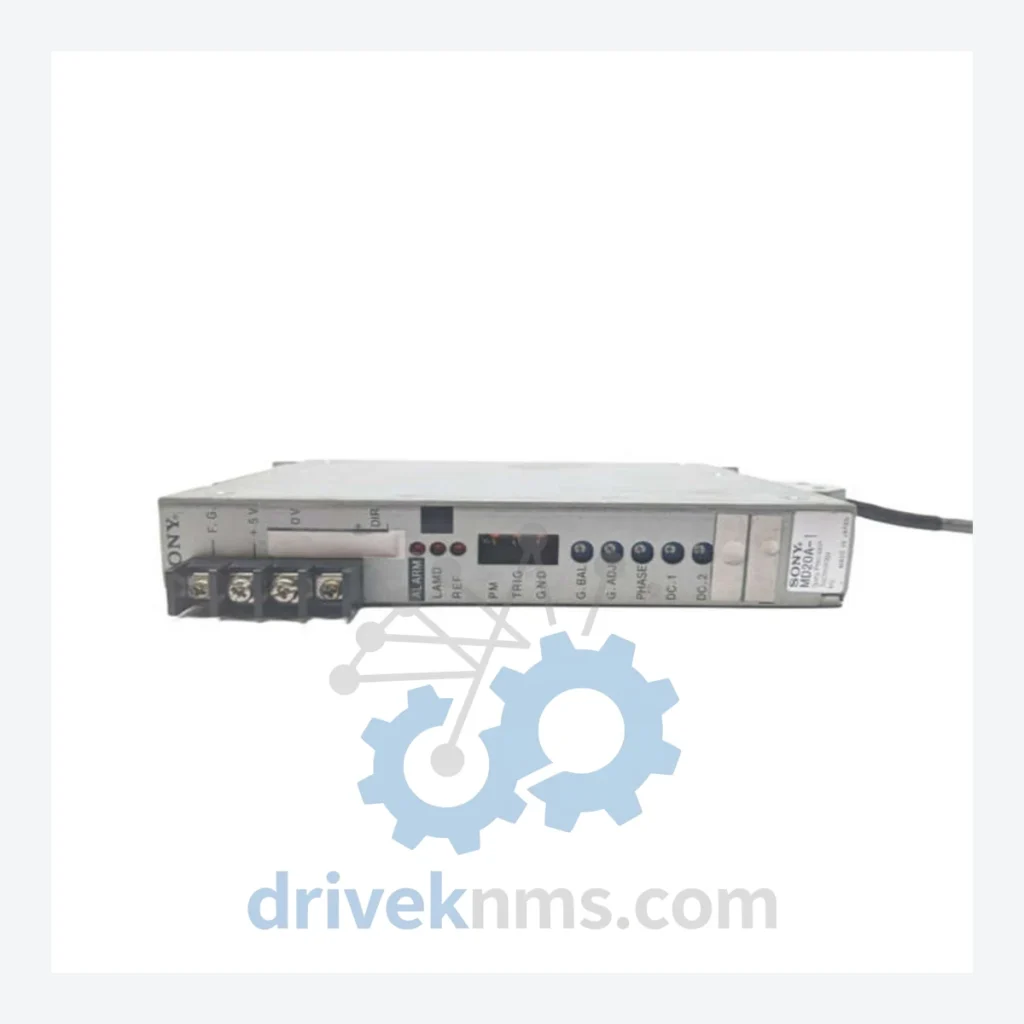
Product Overview
Commercial availability is handled through direct RFQ, model verification and export-oriented follow-up rather than public cart checkout.
Datasheet Preview
Use attached product manuals when available. If the manual is not public yet, request the full file directly through RFQ.
Commercial Path
Product pages on DRIVEKNMS are designed to verify model, brand and series first, then move the buyer into one clean quotation path.
Technical Dossier
RFQ support for obsolete parts: Send the model number, required quantity and destination so DriveKNMS can confirm sourcing options before quotation.
Note: Electrical parameters for this obsolete module are not published here to prevent misapplication. Verified specifications are provided upon confirmed inquiry.
Position detection is not a peripheral function — it is the feedback backbone of any closed-loop motion control system. The MD20A provides the positional data that the controller depends on to execute precise movement commands. Without it, the axis goes blind. There is no software patch, no firmware workaround, and no generic substitute that replicates the signal protocol and mechanical interface of the original module.
Facilities that have operated SONY motion systems for 15 to 25 years have accumulated institutional knowledge, validated process parameters, and regulatory compliance documentation built around that specific hardware. Replacing the MD20A with a modern equivalent is not a swap — it is a re-engineering project. It requires new wiring, new controller configuration, new HMI mapping, and in regulated industries, a full revalidation cycle. The MD20A is not just a component. It is the anchor that holds the entire validated process in place.
A structured obsolete spare parts strategy changes that calculation. Facilities that identify their single-point-of-failure components — the modules with no modern equivalent, the boards that are no longer stocked anywhere in the distribution chain — and secure physical inventory of those parts, routinely extend asset service life by five to ten years beyond what the OEM's support window would suggest.
DriveKNMS specializes in locating, verifying, and supplying exactly these components — the parts that standard distributors stopped stocking years ago, and that no catalog search will find.
Every MD20A unit that leaves our facility has passed a structured five-step quality process designed specifically for obsolete industrial electronics:
How do I know the unit is genuine and not counterfeit?
All units are sourced through verified industrial channels. Physical markings, date codes, and construction are cross-referenced against known-genuine references. Our QA process includes counterfeit screening at intake. We do not source from unverified secondary markets.
Continue The Model Path
Move from this exact model into the matching system hub, brand archive, model-family archive or lifecycle sourcing route before sending a final RFQ list.
Related Paths
Alstom MVAJ105RA0802A is listed for MiCOM Series RFQ review. Confirm quantity, condition and destination before quotation.
Moore 16137-174 is listed for Servo Drives RFQ review. Confirm quantity, condition and destination before quotation.
Fuji Electric EP-3364B-CA-Z2 is listed for FRENIC Series RFQ review. Confirm quantity, condition and destination before quotation.