
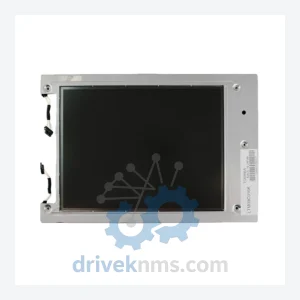
TOSHIBA LTM Series LCD Display Modules LTM09C016K
Toshiba LTM09C016K is listed for LTM Series LCD Display RFQ review. Confirm quantity, condition and destination before quotation.
RFQ-ready industrial model
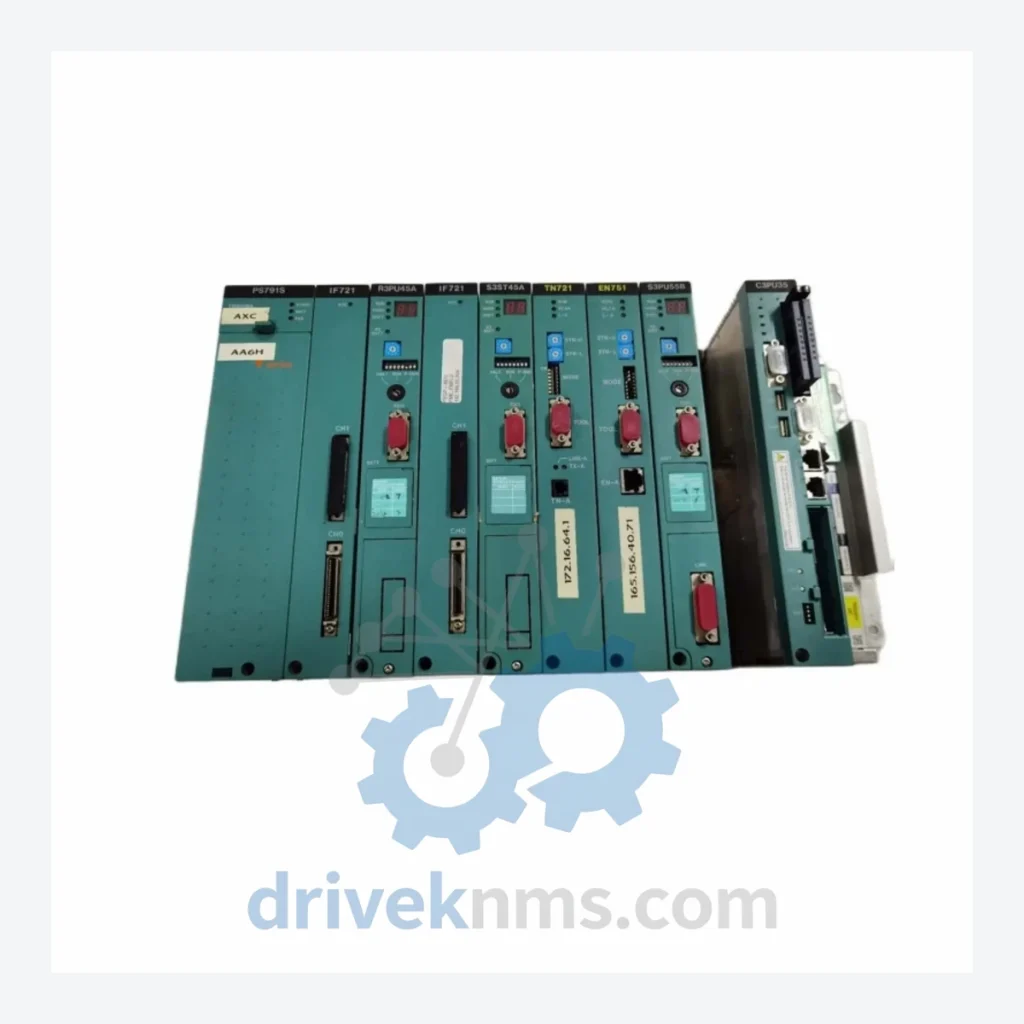
Model: TN721 GTN721
Product Overview
Commercial availability is handled through direct RFQ, model verification and export-oriented follow-up rather than public cart checkout.
Datasheet Preview
Use attached product manuals when available. If the manual is not public yet, request the full file directly through RFQ.
Commercial Path
Product pages on DRIVEKNMS are designed to verify model, brand and series first, then move the buyer into one clean quotation path.
Technical Dossier
The TN721 series was introduced as part of TOSHIBA's second-generation servo drive platform, succeeding earlier thyristor-based power conversion units. The architecture centers on a regulated switch-mode power supply topology that provides isolated DC rails to the servo amplifier control board, encoder interface circuitry, and regenerative braking resistor networks.
Early TN721 variants used through-hole PCB construction with discrete IGBT pre-driver stages. Subsequent GTN721 revisions transitioned to surface-mount technology on the control sub-board while retaining the original power stage form factor, ensuring backward mechanical compatibility with existing cabinet installations. This design continuity allowed facilities to upgrade control electronics without full cabinet replacement — a significant factor in the series' longevity.
Compatibility considerations: TN721 and GTN721 modules interface with TOSHIBA servo amplifier families including the VF-S9, VF-AS1, and TOSVERT series. Backplane connector pinouts are standardized across the TN721 generation, but firmware revision levels must be matched to the host drive controller to avoid parameter initialization errors. Facilities migrating from TN721 to GTN721 should verify DC bus voltage tolerance specifications, as GTN721 units introduced a wider input voltage window (±15% vs. ±10% on original TN721).
The following SKUs represent the documented TN721/GTN721 series range. Each entry reflects a distinct functional variant within the servo power supply and associated module ecosystem:
TN721: Base servo control motor power supply module; standard DC output rating for TOSHIBA servo amplifier series.
GTN721: Enhanced-revision power supply with extended input voltage tolerance and improved EMC filtering.
TN721A: Variant A — modified output capacitor bank for high-cycle duty applications.
TN721B: Variant B — reinforced inrush current limiting circuit for cold-start environments.
TN721C: Variant C — conformal-coated PCB for high-humidity industrial environments.
GTN721A: GTN721 with variant A output stage; compatible with VF-AS1 amplifier series.
GTN721B: GTN721 with extended temperature rating (-10°C to +55°C operating).
GTN721C: GTN721 with integrated soft-start relay for reduced DC bus surge on power-up.
TN721-1: Single-axis power supply configuration; reduced output current rating.
TN721-2: Dual-axis power supply configuration; parallel output bus architecture.
TN721-3: Three-phase input variant; for 380–480 VAC three-phase supply environments.
GTN721-1: GTN721 single-axis variant with updated gate driver IC revision.
GTN721-2: GTN721 dual-axis variant; increased bulk capacitance for regenerative load handling.
GTN721-3: GTN721 three-phase input variant; CE-marked for European installation compliance.
TN721-R: Regenerative braking interface module; pairs with TN721 base unit for dynamic braking duty.
GTN721-R: GTN721-compatible regenerative module with upgraded IGBT switching frequency.
TN721-F: Field-retrofit kit variant; includes updated firmware EEPROM and terminal adapter plate.
The TN721 and GTN721 power supply modules present specific test challenges due to their integrated backplane interface and multi-rail DC output architecture. DriveKNMS applies the following test protocol to all units processed through its facility:
Continue The Model Path
Move from this exact model into the matching system hub, brand archive, model-family archive or lifecycle sourcing route before sending a final RFQ list.
Related Paths
Toshiba LTM09C016K is listed for LTM Series LCD Display RFQ review. Confirm quantity, condition and destination before quotation.
Toshiba B200P16DOP-1 is listed for Monitoring Systems RFQ review. Confirm quantity, condition and destination before quotation.
Toshiba V2MM AP012- H2184212 S10MM is listed for Monitoring Systems RFQ review. Confirm quantity, condition and destination before quotation.