
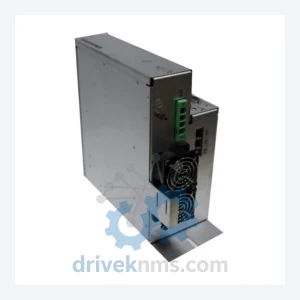
TOX Pressotechnik 0610520IF120245B Power Module – S Series
TOX Pressotechnik 0610520IF120245B is listed for S Series RFQ review. Confirm quantity, condition and destination before quotation.
RFQ-ready industrial model
Model: 0610520IF120243B
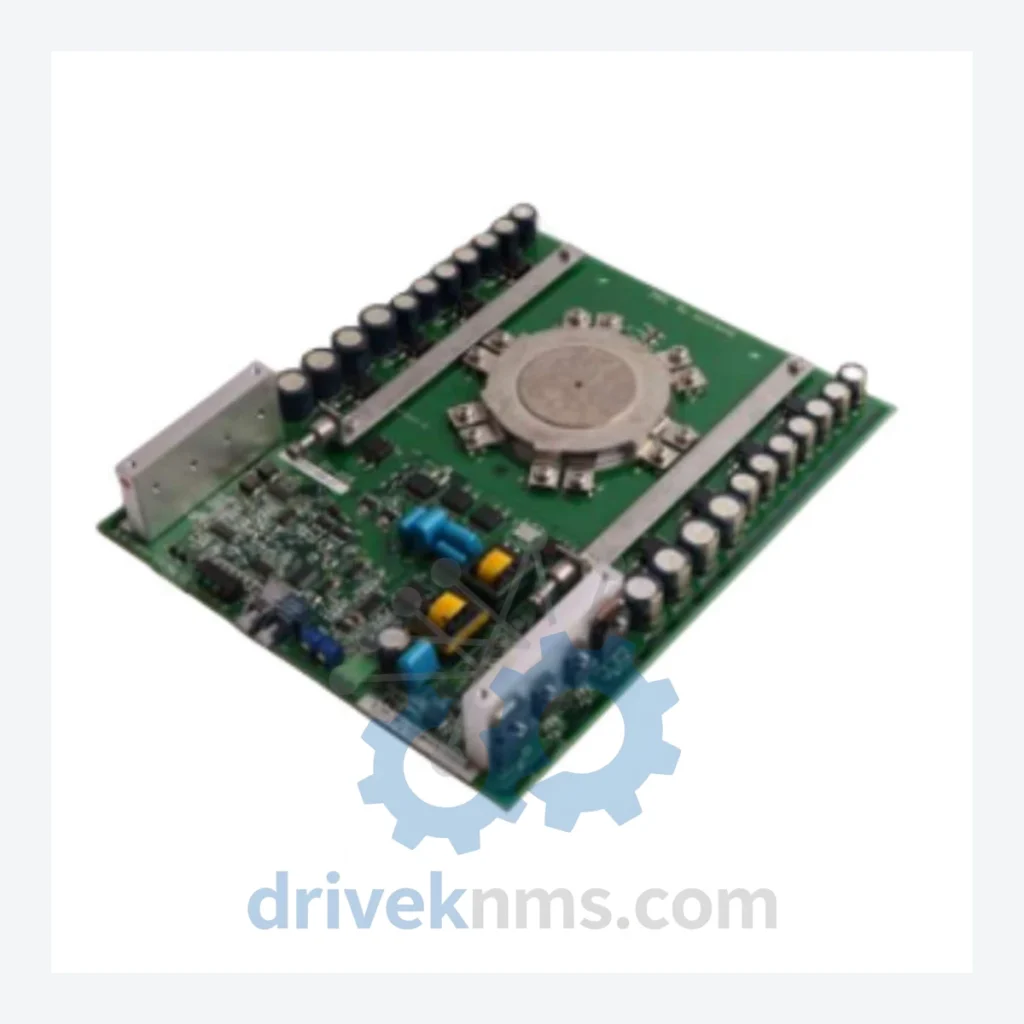
Product Overview
Commercial availability is handled through direct RFQ, model verification and export-oriented follow-up rather than public cart checkout.
Datasheet Preview
Use attached product manuals when available. If the manual is not public yet, request the full file directly through RFQ.
Commercial Path
Product pages on DRIVEKNMS are designed to verify model, brand and series first, then move the buyer into one clean quotation path.
Technical Dossier
TOX PRESSOTECHNIK GmbH & Co. KG is a German manufacturer specializing in press-fit joining technology, hydropneumatic press systems, and precision force monitoring electronics. The 0610520IF series of machinery protection monitors occupies a critical role in global heavy industry — deployed across automotive stamping plants, aerospace component assembly lines, chemical processing facilities, and nuclear maintenance workshops. These units serve as the primary force/pressure monitoring interface between mechanical press systems and plant-level control networks, providing real-time overload protection, stroke monitoring, and process data acquisition. Their ruggedized design and DIN-rail compatibility make them a standard reference in European and Asian industrial automation catalogs.
TOX PRESSOTECHNIK's control and monitoring electronics have evolved through three distinct generations. The first generation (1980s–1990s) relied on analog signal conditioning boards integrated directly into press frames, with no fieldbus capability. The second generation (late 1990s–2000s) introduced modular DIN-rail electronics — including the CEP 400 and CEP 800 controller families — featuring digital displays, relay outputs, and early RS-232/RS-485 serial interfaces. The third generation (2010s–present), represented by the 0610520IF and related EPW series, integrates Profibus-DP, Profinet, and EtherNet/IP fieldbus options, enabling seamless integration into Siemens TIA Portal, Rockwell Studio 5000, and other modern PLC environments. Backward compatibility between generations is limited: analog output modules from Gen 1 are not electrically compatible with Gen 3 backplanes without signal conditioning adapters. Plants operating mixed-generation TOX equipment must maintain separate spare parts inventories for each architecture tier.
The following SKUs represent the core range of TOX PRESSOTECHNIK press control, force monitoring, and I/O modules. All models listed are verified components within the TOX electronics product family:
0610520IF120243B: Machinery protection monitor, 24 VDC, digital I/O interface, DIN-rail mount
0610520IF120243A: Machinery protection monitor, variant A, analog signal output, 4–20 mA
0610520IF120244B: Force monitoring module, extended range, dual-channel input
0610520IF120245B: Overload protection relay module, 230 VAC coil, NC/NO contacts
CEP400-001: Compact press controller, single-axis, RS-485 interface, 24 VDC supply
CEP400-002: Compact press controller, dual-axis, relay output, panel-mount housing
CEP800-001: Advanced press controller, 8-channel force input, Profibus-DP slave
CEP800-002: Advanced press controller, Profinet IO device, 100 Mbit/s Ethernet port
EPW100: Electronic press monitoring unit, 100 kN range, analog + digital outputs
EPW200: Electronic press monitoring unit, 200 kN range, EtherNet/IP compatible
EPW400: High-capacity press monitor, 400 kN, integrated HMI display, USB data export
TOX-DIO-16: Digital I/O expansion module, 16 inputs / 16 outputs, 24 VDC logic
TOX-AIO-8: Analog I/O module, 8 channels, ±10 V / 4–20 mA selectable per channel
TOX-COM-PB: Profibus-DP communication adapter, DP-V1 slave, 12 Mbit/s max
TOX-COM-PN: Profinet IO communication adapter, RT/IRT capable, dual-port switch
TOX-PSU-24V: Dedicated 24 VDC power supply module for CEP/EPW backplane systems
TOX-HMI-070: 7-inch touchscreen HMI panel, 800×480 resolution, Modbus TCP client
TOX PRESSOTECHNIK monitoring modules present specific test challenges due to their precision force signal conditioning circuitry and fieldbus communication stacks. DriveKNMS applies the following test protocol to all units processed through our facility:
Visual Inspection: PCB examination for corrosion, cold solder joints, damaged SMD components, and backplane connector pin integrity.
Power-On Test: 24 VDC supply applied; inrush current measured; LED status indicators verified against factory documentation.
Analog Signal Calibration: For 4–20 mA and ±10 V output modules, signal accuracy verified against NIST-traceable reference instruments to ±0.1% full-scale.
Digital I/O Functional Test: All input channels stimulated; all output relay contacts verified for switching continuity and isolation resistance (>100 MΩ at 500 VDC).
Fieldbus Communication Test: Profibus-DP and Profinet modules connected to a live test network; GSD/GSDML file loaded; cyclic data exchange verified at rated baud rate.
Burn-In: Units operated at rated load for 48 hours in a temperature-controlled environment (0°C to +55°C cycling) prior to shipment.
Continue The Model Path
Move from this exact model into the matching system hub, brand archive, model-family archive or lifecycle sourcing route before sending a final RFQ list.
Related Paths
TOX Pressotechnik 0610520IF120245B is listed for S Series RFQ review. Confirm quantity, condition and destination before quotation.
TOX Pressotechnik 372169 EPW400.202.00.00 is listed for HMI Panels RFQ review. Confirm quantity, condition and destination before quotation.
Alstom MVAJ105RA0802A is listed for MiCOM Series RFQ review. Confirm quantity, condition and destination before quotation.