
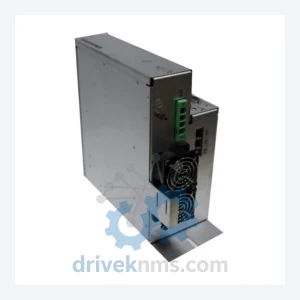
TOX Pressotechnik 0610520IF120245B Power Module – S Series
TOX Pressotechnik 0610520IF120245B is listed for S Series RFQ review. Confirm quantity, condition and destination before quotation.
RFQ-ready industrial model
Model: 372169 EPW400.202.00.00
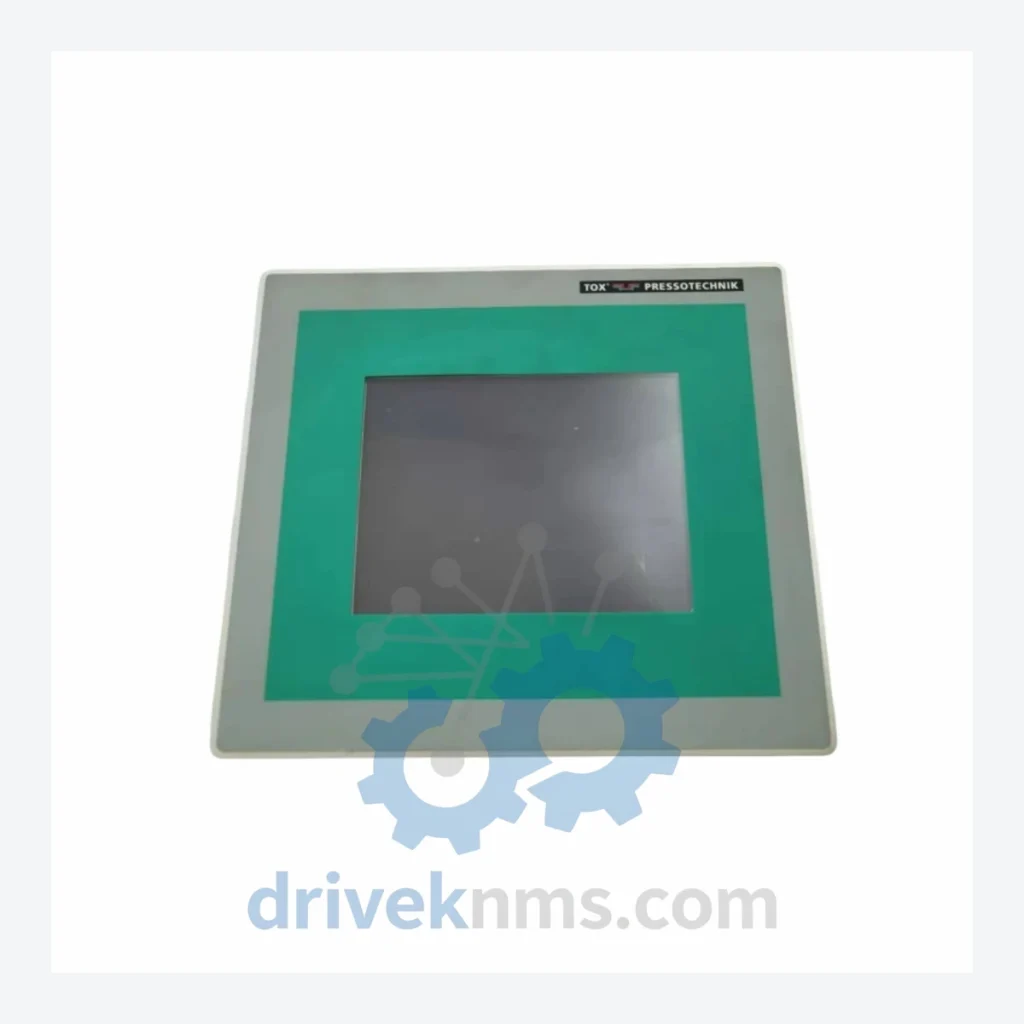
Product Overview
Commercial availability is handled through direct RFQ, model verification and export-oriented follow-up rather than public cart checkout.
Datasheet Preview
Use attached product manuals when available. If the manual is not public yet, request the full file directly through RFQ.
Commercial Path
Product pages on DRIVEKNMS are designed to verify model, brand and series first, then move the buyer into one clean quotation path.
Technical Dossier
RFQ support for obsolete parts: Send the model number, required quantity and destination so DriveKNMS can confirm sourcing options before quotation.
| Field | Detail |
|---|---|
| Manufacturer | TOX Pressotechnik GmbH & Co. KG |
| Part Number | 372169 |
| Model | EPW400.202.00.00 |
| Series | EPW400 |
| Component Type | HMI Touch Screen Panel |
| Country of Origin | Germany |
| Discontinuation Status | Discontinued / No Longer Manufactured |
| Typical System Compatibility | TOX EPW400 Series Press Controllers |
| Application | Press-fit, clinching, and joining systems operator interface |
Note: Electrical parameters (voltage, resolution, interface protocol) are not published here to avoid inaccuracy. Confirmed specifications are provided upon request with supporting documentation.
The TOX Pressotechnik EPW400 platform was widely deployed in automotive body-in-white, appliance assembly, and precision joining lines throughout the 2000s and 2010s. The EPW400.202.00.00 touch screen is the primary operator interface for this controller family — it handles press force monitoring, displacement curve display, and process parameter input. There is no drop-in OEM replacement from TOX Pressotechnik. The manufacturer's current product line uses a fundamentally different hardware architecture, meaning a controller upgrade is not a swap; it is a full system replacement.
How to extend your TOX EPW400 press system lifespan by 5–10 years:
These five measures, taken together, represent a total investment that is typically less than 2% of the cost of a forced system upgrade. For plant management facing pressure to retire aging press infrastructure, this is the defensible, low-risk position.
Discontinued components sourced from the secondary market carry inherent risk. DriveKNMS applies a 5-step inspection protocol to every EPW400.202.00.00 unit before dispatch review:
Should I buy more than one unit?
For any press line running more than one shift per day, holding a minimum of two EPW400.202.00.00 units on-site is the standard recommendation. The secondary market supply for this part is finite and will not be replenished. Current pricing will not be available indefinitely.
Continue The Model Path
Move from this exact model into the matching system hub, brand archive, model-family archive or lifecycle sourcing route before sending a final RFQ list.
Related Paths
TOX Pressotechnik 0610520IF120245B is listed for S Series RFQ review. Confirm quantity, condition and destination before quotation.
TOX Pressotechnik 0610520IF120243B is listed for Monitoring Systems RFQ review. Confirm quantity, condition and destination before quotation.
Alstom MVAJ105RA0802A is listed for MiCOM Series RFQ review. Confirm quantity, condition and destination before quotation.