
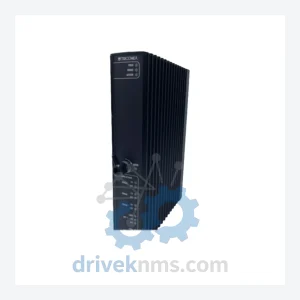
Triconex Tricon CX Series Modules: CM3201S2 CPU Module
Triconex CM3201S2 is listed for Tricon RFQ review. Confirm quantity, condition and destination before quotation.
RFQ-ready industrial model
Model: 3005
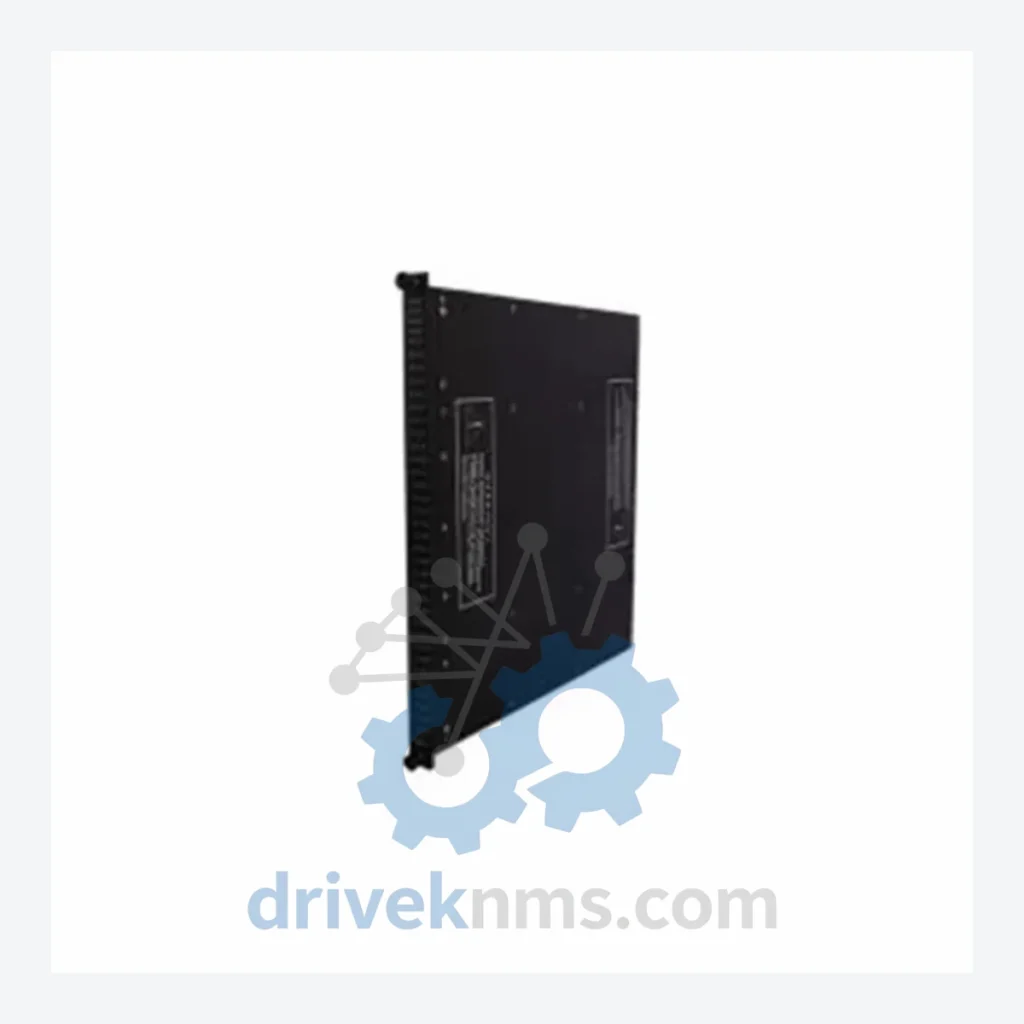
Product Overview
Commercial availability is handled through direct RFQ, model verification and export-oriented follow-up rather than public cart checkout.
Datasheet Preview
Use attached product manuals when available. If the manual is not public yet, request the full file directly through RFQ.
Commercial Path
Product pages on DRIVEKNMS are designed to verify model, brand and series first, then move the buyer into one clean quotation path.
Technical Dossier
RFQ support for obsolete parts: Send the model number, required quantity and destination so DriveKNMS can confirm sourcing options before quotation.
| Part Number | 3005 |
| Manufacturer | Schneider Electric (Triconex) |
| Series | Tricon TMR (Triple Modular Redundancy) |
| Module Type | Main Processor Module |
| Compatible Platform | Tricon v9 / v10 Chassis Systems |
| Application | Safety Instrumented Systems (SIS), Emergency Shutdown (ESD), Fire & Gas (F&G) |
| Typical Industry | Oil & Gas, Petrochemical, Power Generation, LNG |
| Lifecycle Status | Discontinued / Obsolete – No longer manufactured by OEM |
| Country of Origin | United States |
Note: Electrical parameters are verified against physical units only. No parameters are published without confirmed hardware inspection to ensure data integrity and equipment safety.
The Triconex Tricon platform built around the 3005 processor has been the backbone of safety-critical control in refineries, LNG terminals, and offshore platforms for over two decades. Its TMR architecture — three independent processing legs with continuous cross-comparison — delivers fault tolerance that many facilities have never needed to replace, because the system simply works.
The problem is not performance. The problem is parts availability.
Emergency migrations are the most expensive version of any capital project. Engineering firms charge premium rates for compressed timelines. SIL certification bodies do not accelerate validation schedules. Shutdown windows that would normally be planned over 18 months get compressed into weeks, with corresponding cost overruns and safety risk exposure.
Holding a verified spare 3005 module eliminates that scenario entirely. The cost of one spare unit is a fraction of one day of unplanned shutdown at a mid-size refinery. For asset managers operating under deferred capital budgets, this is not a purchasing decision — it is a risk management decision.
Obsolete industrial modules carry age-related failure modes that differ from new components. Our 5-step QA protocol is designed around the specific degradation patterns of TMR processor hardware:
Condition grades (New Surplus, Refurbished, or Tested Used) are clearly stated on every order confirmation. We do not use ambiguous condition language.
Q: How do I know the unit is genuine and not counterfeit?
A: Triconex modules carry OEM markings, serial number formats, and board revision codes that are verifiable against known authentic units. We inspect each module against these reference points. Traceability documentation — including source chain records where available — is provided on request for safety-critical applications.
Q: Should we hold more than one spare 3005 module?
A: For any facility running a Tricon v9/v10 system as its primary SIS, holding a minimum of two spare processor modules is standard practice. The 3005 is no longer manufactured. Secondary market availability will continue to tighten. Procurement cost today is lower than procurement cost in 18 months. If your maintenance strategy includes a 5-year horizon, source your spares now while RFQ-reviewed sourcing status exists.
Q: Can you supply other Triconex Tricon modules?
A: Yes. DriveKNMS maintains inventory across the Triconex product range, including I/O modules, communication modules, and power supplies for Tricon v9/v10 systems. Contact us with your full BOM for a consolidated quote.
Continue The Model Path
Move from this exact model into the matching system hub, brand archive, model-family archive or lifecycle sourcing route before sending a final RFQ list.
Related Paths
Triconex CM3201S2 is listed for Tricon RFQ review. Confirm quantity, condition and destination before quotation.
Triconex PI3381 is listed for Tricon RFQ review. Confirm quantity, condition and destination before quotation.
Triconex 7400221-100 is listed for Tricon RFQ review. Confirm quantity, condition and destination before quotation.