Products / Triconex / TMR
Triconex TMR

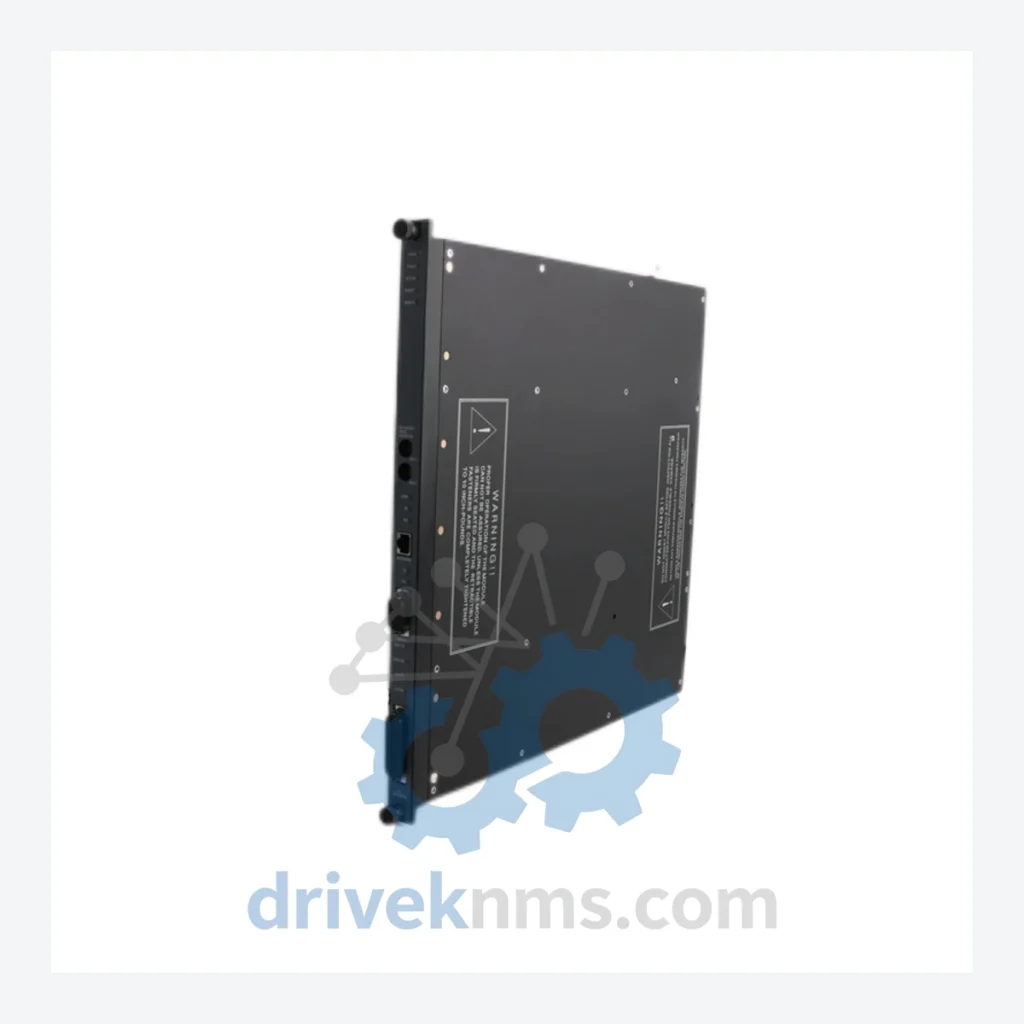
Triconex 3008N Analog Input Main Processor – Obsolete TMR Spare Part

Model: 3008N

Brand Triconex
Series TMR
Model 3008N
RFQ-ready model route Obsolete and surplus sourcing Export follow-up by model list

Product Overview

Commercial availability is handled through direct RFQ, model verification and export-oriented follow-up rather than public cart checkout.

Datasheet Preview

Datasheet Preview

Use attached product manuals when available. If the manual is not public yet, request the full file directly through RFQ.

Request Full Manual

Commercial Path

Use This Page To Confirm The Model, Then Move To RFQ

Product pages on DRIVEKNMS are designed to verify model, brand and series first, then move the buyer into one clean quotation path.

Technical Dossier

Product Details And Specifications

Triconex 3008N Analog Input Main Processor – Obsolete TMR Spare Part

When a Triconex 3008N fails in an active safety instrumented system, the consequences are not limited to a single module replacement. For plants still operating on the Triconex TMR platform, the discontinuation of this processor forces a decision that no operations manager wants to face: accept an unplanned production halt, or commit to a full safety system migration that routinely costs $2–8 million USD in engineering, validation, and downtime. DriveKNMS maintains verified physical stock of the 3008N specifically to eliminate that forced choice. Securing a spare now is not a procurement exercise — it is asset protection.

Technical Specifications

Parameter Detail
Part Number 3008N
Manufacturer Triconex (Schneider Electric)
Module Type Analog Input Main Processor
Platform Compatibility Triconex TMR (Triple Modular Redundant) Safety System
Series Tricon / Trident Legacy Series
Product Status Discontinued / Obsolete
Country of Origin United States
Typical System Context Emergency Shutdown (ESD), Fire & Gas (F&G), Burner Management Systems (BMS)

Note: Electrical parameters not independently verified. No specifications are fabricated. Consult original Triconex documentation for full electrical ratings.

Solving the Discontinued Hardware Crisis

The Triconex TMR architecture was engineered for fault tolerance in the most demanding process safety environments — oil & gas, petrochemical, nuclear, and power generation. The 3008N Analog Input Main Processor sits at the core of that architecture, handling the acquisition and triple-redundant voting of analog field signals. There is no functionally equivalent drop-in replacement available from current production lines.

When Schneider Electric discontinued support for legacy Triconex modules, it did not eliminate the installed base. Thousands of Tricon and Trident systems remain in active service globally, many with 15–25 years of remaining operational life in their host facilities. The hardware, not the system design, has become the constraint.

Procurement teams that wait for a failure event before sourcing 3008N stock face a compounding problem: secondary market availability shrinks each year as other facilities consume their own reserves. The window to source verified units at reasonable cost is finite. Plants that establish a documented spare parts strategy for obsolete TMR modules today avoid emergency procurement premiums that routinely reach 300–500% of planned cost.

How to extend your Triconex TMR system life by 5–10 years without a full migration:

  • Conduct a module-level criticality audit. Identify which analog input processors are single points of failure with no on-hand spare. The 3008N is consistently among the highest-risk items on that list.
  • Establish a minimum two-unit buffer. One operational spare is not a strategy — it is a single event away from a production stop. Two units provide time to source a third during a non-emergency window.
  • Negotiate vendor-held inventory agreements. Distributors with verified physical stock (not broker listings) can hold allocated units against a purchase order, reducing capital outlay while securing supply.
  • Document firmware and configuration baselines. Before any module swap, capture the exact firmware revision and configuration parameters. This eliminates re-commissioning risk and preserves SIL certification continuity.
  • Schedule proactive replacement cycles. Electrolytic capacitors in modules of this age have a finite service life. Replacing a 3008N on a planned maintenance window costs a fraction of an unplanned shutdown.

A structured obsolete-parts inventory program for a legacy TMR system typically costs less than 0.5% of the capital expenditure required for a full system migration. For a facility with $50M in process assets protected by a Triconex safety system, that arithmetic is straightforward.

Condition & Reliability Assurance

DriveKNMS applies a 5-step quality assurance process to all legacy and obsolete modules before shipment:

  1. Visual and mechanical inspection: Board-level examination for physical damage, corrosion, and component integrity. Connector pins are inspected under magnification for oxidation and mechanical deformation.
  2. Electrolytic capacitor assessment: Capacitors are the primary age-related failure mode in modules of this vintage. Each unit is evaluated for bulging, leakage, and ESR deviation from specification.
  3. Firmware version verification: Where accessible, firmware revision is documented and cross-referenced against known compatible versions for the target system configuration.
  4. Functional power-on test: Modules are powered and observed for correct initialization behavior and absence of fault indicators.
  5. Packaging for long-term storage: Units are packed in anti-static shielding with desiccant, suitable for controlled-environment storage as a long-term spare.

Key Features for System Maintenance

  • Drop-in replacement: The 3008N is a direct hardware replacement within compatible Triconex TMR chassis. No rewiring of field terminations is required.
  • No reprogramming required: The safety application logic resides in the Main Processor, not in the analog input module. Replacement does not require re-engineering the safety application.
  • Avoids engineering reconstruction costs: A full TMR system migration requires IEC 61511 re-validation, factory acceptance testing, and site acceptance testing. A module-level spare eliminates all of that cost for a single failure event.
  • Maintains SIL certification continuity: Replacing a like-for-like module within a validated TMR architecture preserves the existing safety integrity level documentation, avoiding re-certification expenditure.

FAQ

What warranty applies to an obsolete module like the 3008N?
DriveKNMS provides a 90-day functional warranty on all tested units. Given the age of this product line, warranty terms are confirmed at the time of quotation based on unit condition and test results.

How do I confirm the unit is genuine and not a counterfeit?
All units sourced by DriveKNMS are physically inspected. We provide documentation of the unit's physical condition and test results. We do not list units we have not physically verified. Customers are encouraged to request pre-shipment inspection reports.

Should I buy more than one unit?
For any facility where the Triconex TMR system is the primary safety layer for a critical process, a minimum of two 3008N spares is the standard recommendation. The secondary market for this module contracts each year. Units available today may not be available at any price in 24 months.

Can you hold stock against a future purchase order?
Yes. Contact us to discuss vendor-managed inventory arrangements for critical obsolete modules.

© 2026 DriveKNMS. All trademarks belong to their respective owners. Specifications are for reference only and subject to change without notice. Verify all parameters against official documentation before installation.

WhatsApp Prefilled Inquiry Email sale@driveknms.com Phone +86 18359293191 Top Back To Top