
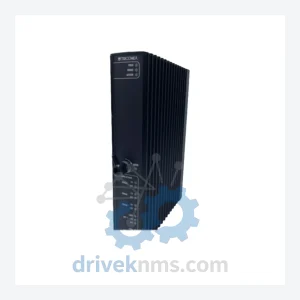
Triconex Tricon CX Series Modules: CM3201S2 CPU Module
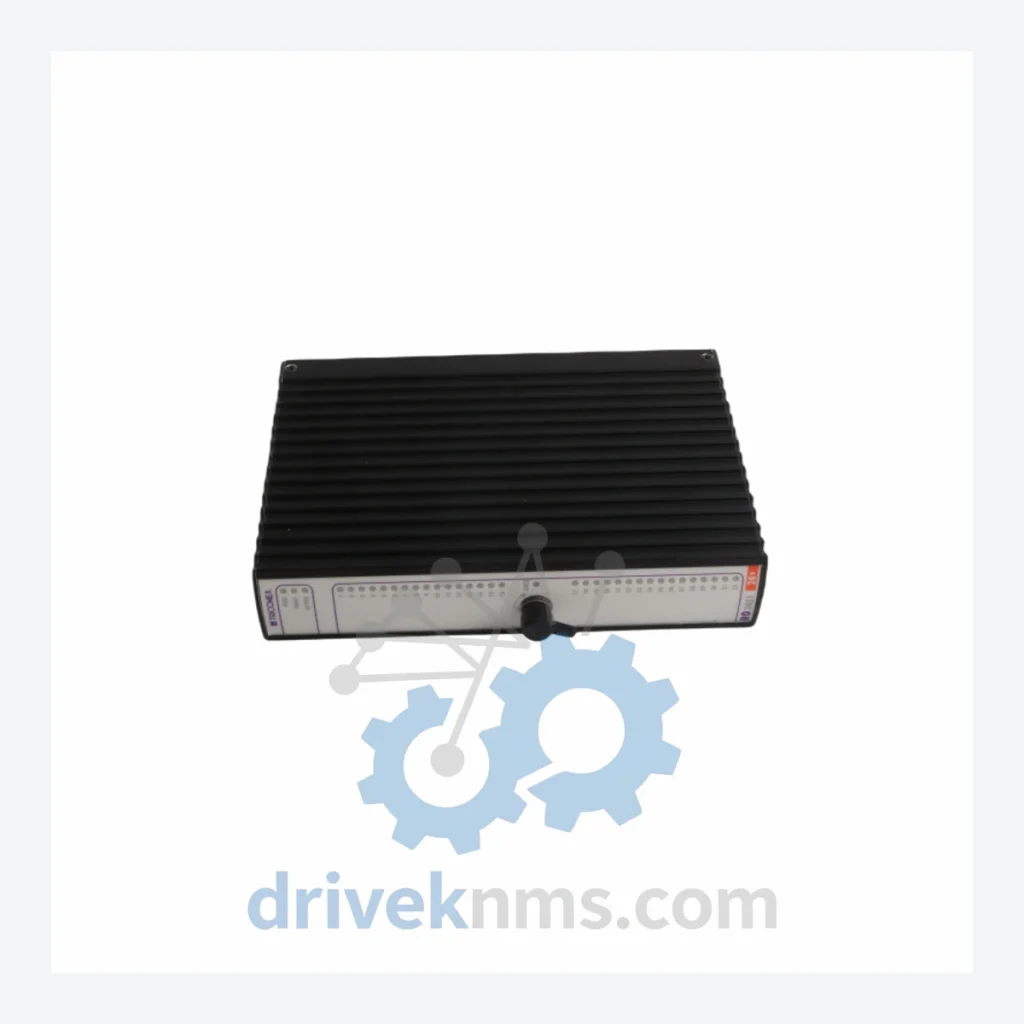
Triconex CM3201S2 is listed for Tricon RFQ review. Confirm quantity, condition and destination before quotation.
RFQ-ready industrial model
Model: 3451
Product Overview
Commercial availability is handled through direct RFQ, model verification and export-oriented follow-up rather than public cart checkout.
Datasheet Preview
Use attached product manuals when available. If the manual is not public yet, request the full file directly through RFQ.
Commercial Path
Product pages on DRIVEKNMS are designed to verify model, brand and series first, then move the buyer into one clean quotation path.
Technical Dossier
The Triconex Tricon platform is a Triple Modular Redundant (TMR) safety instrumented system (SIS) that has achieved dominant installed-base status across global heavy industry. Deployed in petrochemical complexes, offshore oil & gas platforms, nuclear power generation facilities, LNG terminals, and refinery process units, the Tricon architecture executes safety logic in three independent processing paths simultaneously, with a voting mechanism that tolerates single-channel faults without process interruption. Its IEC 61511 / IEC 61508 SIL 3 certification makes it the reference standard for high-demand safety applications where spurious trips carry multi-million-dollar consequences. The 3451 is a digital input/output module within this ecosystem, designed for direct integration into the Tricon chassis backplane.
The Tricon platform was introduced by Triconex Corporation in the late 1980s as one of the first commercially available TMR programmable safety controllers. The original Tricon v1 chassis used proprietary backplane communication at relatively low I/O densities. Through the 1990s, Triconex expanded the module catalog to include high-density analog and digital I/O, HART-capable analog inputs, and dedicated communication adapters for Modbus, DH+, and PROFIBUS networks.
Following Invensys's acquisition of Triconex in 2001, the platform was integrated into the Foxboro/Triconex DCS-SIS architecture, enabling tighter coupling between the Tricon safety layer and the I/A Series distributed control system. Schneider Electric's acquisition of Invensys in 2014 brought the Tricon under the EcoStruxure umbrella, with the Tricon CX (model 3008) introduced as the next-generation controller offering Ethernet-based TriStation 1131 v5 connectivity and expanded memory. Legacy Tricon v9/v10 chassis modules remain in active service at thousands of sites globally, creating sustained demand for original spare parts including the 3451, 3503E, 3700A, and related I/O modules. Compatibility between chassis generations is constrained by backplane revision and firmware version; cross-generation substitution requires engineering validation.
The following represents a structured index of verified Triconex Tricon module part numbers, organized by functional category. All models listed are genuine Triconex part numbers documented in Triconex hardware reference manuals.
Digital Input Modules
Digital Output Modules
Analog Input Modules
Analog Output Modules
Controller & Communication Modules
Power Supply Modules
The Tricon v9 and v10 hardware generations have entered the end-of-active-support phase under Schneider Electric's lifecycle policy. Modules including the 3006, 3007, 3451, 3503E, 3700A, and 3805E are no longer manufactured but remain installed at operating facilities with 10–25 year remaining plant lifecycles. Operators face a binary choice: full SIS migration (capital-intensive, requiring re-engineering and proof testing) or lifecycle extension through verified spare parts sourcing.
Tricon modules present specific test challenges due to their TMR backplane architecture: each module contains three independent processing legs that must be verified individually and in voted configuration. DriveKNMS applies the following verification protocol to all Tricon modules including the 3451:
Continue The Model Path
Move from this exact model into the matching system hub, brand archive, model-family archive or lifecycle sourcing route before sending a final RFQ list.
Related Paths
Triconex CM3201S2 is listed for Tricon RFQ review. Confirm quantity, condition and destination before quotation.
Triconex PI3381 is listed for Tricon RFQ review. Confirm quantity, condition and destination before quotation.
Triconex 7400221-100 is listed for Tricon RFQ review. Confirm quantity, condition and destination before quotation.