
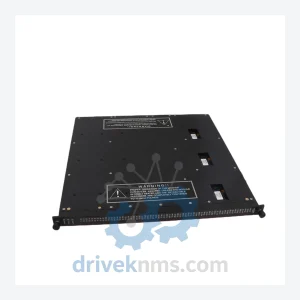
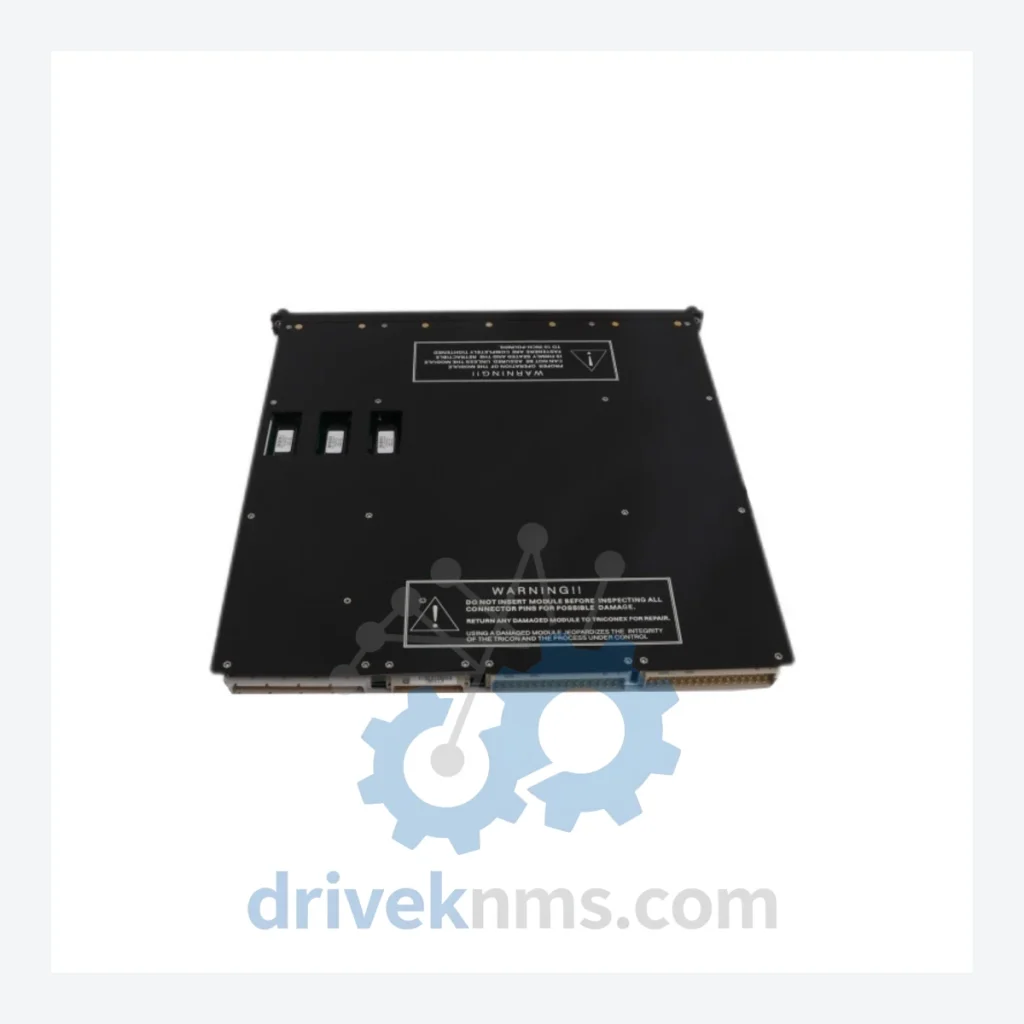
TRICONEX 3500 Series Modules – 3511 Pulse Input Module
Triconex 3511 is listed for 3500 RFQ review. Confirm quantity, condition and destination before quotation.
RFQ-ready industrial model
Model: 3501E
Product Overview
Commercial availability is handled through direct RFQ, model verification and export-oriented follow-up rather than public cart checkout.
Datasheet Preview
Use attached product manuals when available. If the manual is not public yet, request the full file directly through RFQ.
Commercial Path
Product pages on DRIVEKNMS are designed to verify model, brand and series first, then move the buyer into one clean quotation path.
Technical Dossier
The Triconex 3500 Series is a Triple Modular Redundant (TMR) safety instrumented system (SIS) platform developed by Triconex (now a brand under Schneider Electric). It is deployed across the most demanding process industries globally — including petroleum refining, petrochemical complexes, LNG terminals, nuclear power generation, and offshore production platforms. The architecture's core principle is fault tolerance through hardware redundancy: three independent processing legs vote on every I/O signal and control decision, enabling the system to sustain a single-leg failure without process interruption or spurious trip. This design satisfies IEC 61508 SIL 3 and IEC 61511 requirements, making the 3500 Series the reference platform for high-integrity emergency shutdown (ESD), high-integrity pressure protection (HIPPS), and burner management systems (BMS) in facilities where a single failure can result in catastrophic loss of containment.
Installed base for the 3500 Series spans several decades of continuous operation. Many facilities commissioned in the 1990s and early 2000s continue to run 3500 hardware as the primary safety layer, creating sustained global demand for spare modules, replacement boards, and lifecycle extension services.
The Triconex 3500 platform was introduced as a successor to earlier TMR architectures, consolidating the triple-redundant backplane bus, the TRICON communication protocol, and the TriStation 1131 programming environment into a unified hardware family. Early revisions of the 3500 chassis used parallel backplane communication; later revisions introduced enhanced diagnostics and higher-density I/O modules to reduce panel footprint without altering the fundamental TMR voting logic.
Compatibility across 3500 Series generations is generally maintained at the chassis and backplane level, but firmware revisions and module hardware revisions (Rev A through Rev E and beyond) must be matched carefully. Mixing incompatible hardware revisions within a single chassis can produce diagnostic faults or degrade the TMR voting margin. Facilities upgrading from early 3500 hardware to current production modules must validate revision compatibility through Triconex engineering bulletins prior to installation.
The 3500 Series has entered the mature/end-of-active-production phase for several module types. Schneider Electric continues to provide long-term maintenance support (LTMS) contracts, but new production of certain legacy modules has ceased. This makes certified refurbished and tested spare modules from specialist distributors a primary sourcing channel for ongoing maintenance.
The following SKUs represent the core module population of the Triconex 3500 Series. Each entry reflects a distinct hardware function within the TMR architecture.
Digital Input Modules
Digital Output Modules
Analog Input Modules
Analog Output Modules
Main Processor / CPU Modules
Communication & Network Modules
Power Supply Modules
The Triconex 3500 Series uses a proprietary TMR backplane bus that requires functional validation beyond standard power-on testing. DriveKNMS applies the following test protocol to all 3500 Series modules prior to shipment:
Continue The Model Path
Move from this exact model into the matching system hub, brand archive, model-family archive or lifecycle sourcing route before sending a final RFQ list.
Related Paths
Triconex 3511 is listed for 3500 RFQ review. Confirm quantity, condition and destination before quotation.
Triconex 3533E is listed for 3500 RFQ review. Confirm quantity, condition and destination before quotation.
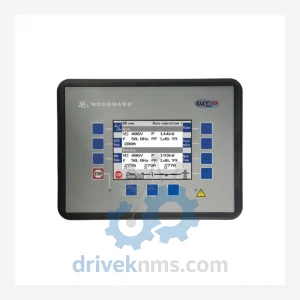
Woodward EASYGEN-3500-5 8440-1934 is listed for 3500 RFQ review. Confirm quantity, condition and destination before quotation.