Products / Triconex / Tricon
Triconex Tricon

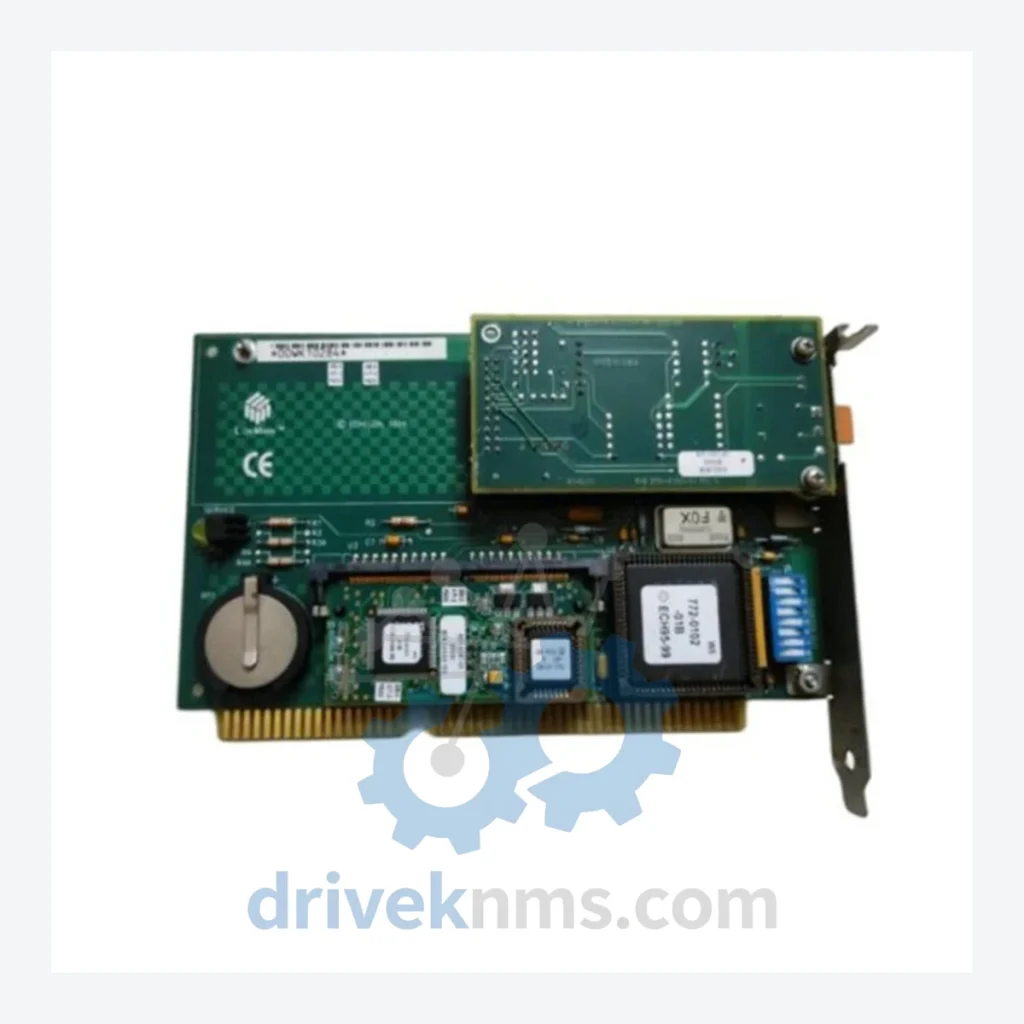
Triconex 3510 Input Module Pulse – Obsolete Tricon TMR Spare Part

Model: '3510

Brand Triconex
Series Tricon
Model '3510
RFQ-ready model route Obsolete and surplus sourcing Export follow-up by model list

Product Overview

Commercial availability is handled through direct RFQ, model verification and export-oriented follow-up rather than public cart checkout.

Datasheet Preview

Datasheet Preview

Use attached product manuals when available. If the manual is not public yet, request the full file directly through RFQ.

Request Full Manual

Commercial Path

Use This Page To Confirm The Model, Then Move To RFQ

Product pages on DRIVEKNMS are designed to verify model, brand and series first, then move the buyer into one clean quotation path.

Technical Dossier

Product Details And Specifications

Triconex 3510 Input Module Pulse – Obsolete Tricon TMR Spare Part

When a Triconex 3510 Pulse Input Module fails in an operating Tricon TMR safety system, the consequences extend far beyond a single card replacement. A full safety system migration — from engineering assessment and new hardware procurement to FAT/SAT testing, process shutdown, and recommissioning — routinely costs between $500,000 and $3,000,000 USD, depending on plant complexity. That figure does not include lost production revenue during the transition window, which in refinery or LNG environments can exceed $1,000,000 per day.

DriveKNMS maintains verified physical stock of the Triconex 3510. For plant engineers and reliability managers operating legacy Tricon-based SIS infrastructure, this is not a commodity purchase — it is a risk mitigation decision.

Technical Specifications

Part Number 3510
Manufacturer Triconex (Schneider Electric)
Module Type Pulse Input Module
Compatible System Tricon TMR (Triple Modular Redundant) Safety System
Series Tricon
Product Status Discontinued / Obsolete – No longer manufactured
Country of Origin United States
Form Factor Single-slot I/O module for Tricon main chassis

Note: Electrical parameters such as input voltage range, channel count, and pulse frequency specifications are model-revision dependent. Contact us with your exact revision requirement before ordering. We do not publish unverified parameters.

Solving the Discontinued Hardware Crisis

The Triconex Tricon platform was the dominant TMR-based Safety Instrumented System (SIS) in oil & gas, petrochemical, power generation, and pipeline applications from the 1980s through the 2000s. Thousands of installations worldwide continue to operate on this architecture — not because operators are unaware of its age, but because the cost and operational risk of migration outweigh the risk of continued operation with a maintained spare parts strategy.

The 3510 Pulse Input Module occupies a specific functional role within the Tricon chassis: it handles pulse-type field signals — flow meters, turbine meters, and similar rotating equipment sensors — that feed directly into safety logic. There is no generic substitute. Replacing this module with a different I/O type requires logic re-engineering, re-validation of the SIL rating, and regulatory re-approval in many jurisdictions. The engineering cost alone typically exceeds $80,000 USD per loop affected.

For plants operating under IEC 61511 or ISA 84 frameworks, maintaining a documented spare parts inventory for critical SIS components is not optional — it is part of the functional safety management system. A single 3510 module held in climate-controlled storage is the lowest-cost insurance policy available against an unplanned SIS shutdown.

How to extend your Tricon TMR system life by 5–10 years without a full migration:

  • Conduct a module-level criticality audit. Identify every I/O module type in your Tricon chassis and cross-reference against current availability. Modules with zero remaining market stock represent your highest-priority procurement targets.
  • Establish a minimum two-unit spare holding per critical module type. One unit in active rotation, one sealed in anti-static packaging with desiccant. This covers both immediate failure and the lead time required to source a second unit from the secondary market.
  • Implement a scheduled functional test cycle. Spare modules that sit untested for years can develop capacitor degradation or contact oxidation. Annual bench testing against a known-good reference chassis confirms readiness before the emergency occurs.
  • Document firmware and hardware revision levels. Tricon modules are revision-sensitive. A 3510 Rev A and Rev C may not be interchangeable in all configurations. Maintain a revision map of every installed module to ensure procurement targets the correct revision.
  • Negotiate a long-term supply agreement with a specialist distributor. Spot-market pricing for obsolete Triconex modules increases 15–40% per year as remaining global stock depletes. Locking in pricing now against a multi-year maintenance horizon is a defensible capital allocation decision.

Condition & Reliability Assurance

Sourcing obsolete industrial modules from the secondary market carries legitimate risk. DriveKNMS applies a structured 5-step qualification process to every Triconex 3510 unit before it is offered for sale:

  1. Physical inspection and provenance documentation. Each unit is photographed and its condition — new surplus, pulled-from-service, or refurbished — is recorded and disclosed. We do not mix condition grades within a single order without explicit customer agreement.
  2. Electrolytic capacitor assessment. Aged capacitors are the primary failure mode in modules stored beyond 10 years. We inspect for visible bulging, electrolyte leakage, and ESR deviation where test equipment permits.
  3. Connector pin and backplane contact inspection. Gold-plated edge connectors are examined under magnification for oxidation, mechanical deformation, and contamination. Affected contacts are cleaned using approved IPA-based procedures; units with structural pin damage are rejected.
  4. Firmware and label revision verification. Hardware revision markings are recorded and cross-referenced against the customer's installed base revision requirements prior to shipment confirmation.
  5. Functional power-on test (where applicable). Units assessed as refurbished are powered and tested against basic operational parameters on compatible test equipment before dispatch.

Key Features for System Maintenance

  • Drop-in replacement: The 3510 installs directly into the existing Tricon main chassis slot with no hardware modification. No rewiring, no new terminal blocks.
  • No reprogramming required: The Tricon TMR architecture stores safety logic in the Main Processor modules, not in I/O modules. Replacing a 3510 does not require TriStation re-download or logic modification in standard configurations.
  • Avoids engineering reconstruction costs: A like-for-like module swap eliminates the need for loop re-engineering, SIL re-validation, and regulatory re-submission — costs that accompany any platform migration.
  • Maintains SIS integrity: Replacing with the correct OEM module preserves the validated hardware configuration documented in your Safety Requirements Specification (SRS), avoiding compliance gaps.

FAQ

Q: What warranty applies to an obsolete Triconex 3510?
A: DriveKNMS provides a 90-day warranty against DOA (dead-on-arrival) and functional defects for refurbished units, and a 180-day warranty for new surplus units. Warranty terms are confirmed in writing at the time of quotation.

Q: How do I confirm the unit is genuine and not counterfeit?
A: All units are supplied with photographic documentation of labels, PCB markings, and revision identifiers. We source exclusively from decommissioned plant inventories and authorized liquidation channels — not from unverified grey-market aggregators. Customers may request pre-shipment inspection photos before payment.

Q: Should I buy one unit or establish a larger buffer stock?
A: For any Tricon installation with more than two 3510 modules installed, we recommend holding a minimum of two spare units. Global secondary market availability for this module is finite and declining. Units purchased today will cost materially more — or may be unavailable — within 24–36 months.

Q: Can you source a specific hardware revision?
A: We will confirm available revision levels at the time of inquiry. Provide your installed revision number when contacting us to ensure compatibility.

© 2026 DriveKNMS. All trademarks belong to their respective owners. Specifications are for reference only and subject to change without notice. Verify all parameters against official documentation before installation.