
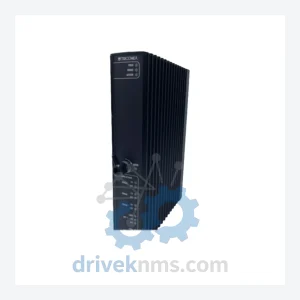
Triconex Tricon CX Series Modules: CM3201S2 CPU Module
Triconex CM3201S2 is listed for Tricon RFQ review. Confirm quantity, condition and destination before quotation.
RFQ-ready industrial model
Model: 3806E
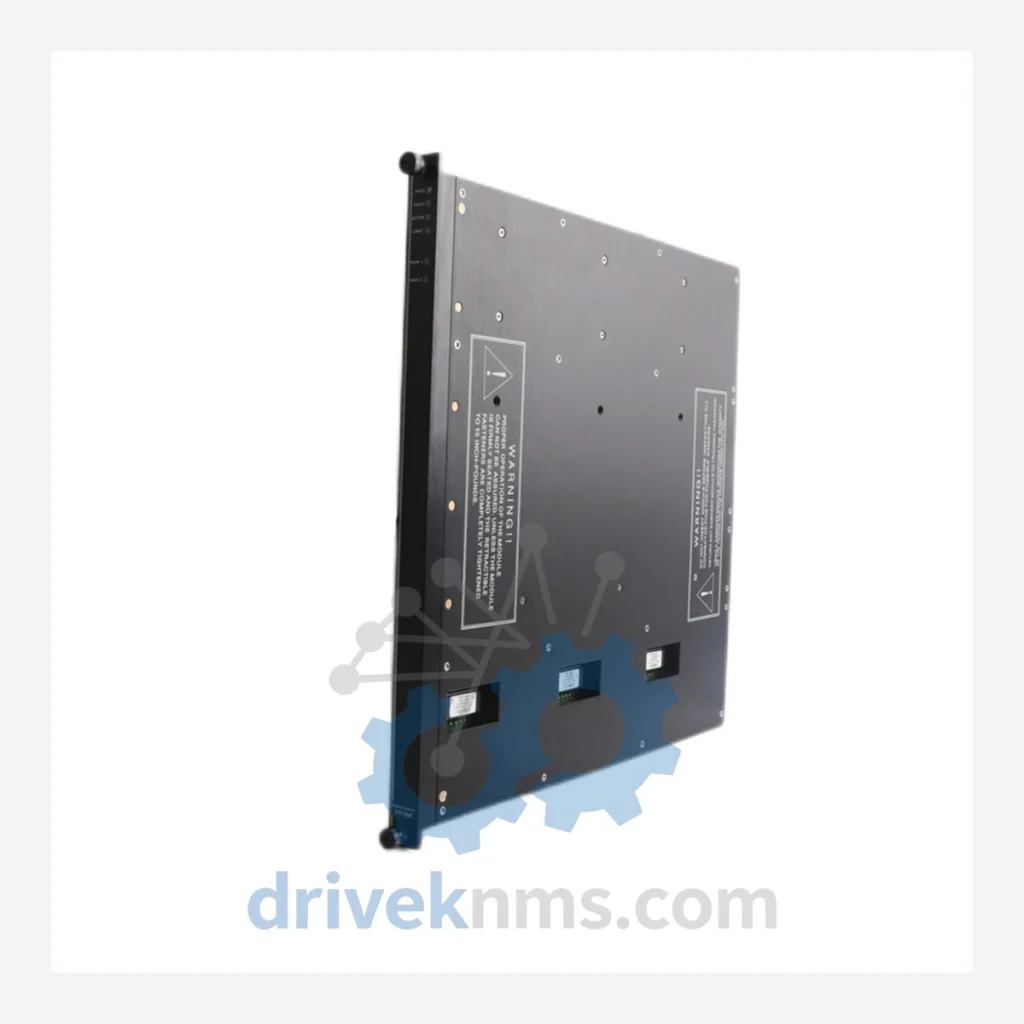
Product Overview
Commercial availability is handled through direct RFQ, model verification and export-oriented follow-up rather than public cart checkout.
Datasheet Preview
Use attached product manuals when available. If the manual is not public yet, request the full file directly through RFQ.
Commercial Path
Product pages on DRIVEKNMS are designed to verify model, brand and series first, then move the buyer into one clean quotation path.
Technical Dossier
The TRICONEX Tricon series represents one of the most widely deployed Triple Modular Redundancy (TMR) safety system platforms in global heavy industry. Installed across petrochemical complexes, nuclear power stations, offshore platforms, LNG terminals, and refinery process units, the Tricon architecture provides IEC 61511 / IEC 61508 SIL 3-certified fault-tolerant control. Its distributed I/O backplane design, deterministic scan cycle, and hot-standby redundancy make it the reference standard for Safety Instrumented Systems (SIS) in environments where unplanned shutdowns carry catastrophic risk. The 3806E Analog Input Module is a core field interface component within this architecture, accepting 4–20 mA process signals and converting them for the Tricon main chassis via the TMR voting mechanism.
The Tricon platform was introduced by Triconex Corporation in the late 1980s as a hardware-based TMR controller, predating most software-defined safety systems. The original Tricon v1 chassis used parallel backplane buses with discrete voter logic implemented in ASICs. Through the 1990s, the architecture evolved to support expanded I/O density and fieldbus communication, culminating in the Tricon v9/v10 main processor generations that introduced enhanced diagnostics and Modbus/TCP integration.
Schneider Electric acquired Triconex in 2004 and subsequently integrated the platform into the Triconex Safety Systems portfolio. The Tricon CX (Communication eXtension) and Tricon v11 generations introduced IEC 61784-3 functional safety communication and expanded the module catalog to include HART-enabled analog I/O. Legacy v7 and v8 chassis remain operational in many installed base sites, creating a sustained demand for end-of-life spare parts including the 3806E, 3703E, and 3805E families. The platform has entered a mature/sustaining lifecycle phase; Schneider Electric continues to provide long-term support agreements (LTSA) but new feature development is concentrated on the Tricon CX and TriStation 1131 v5 toolchain.
Analog Input Modules (AI)
Analog Output Modules (AO)
Digital Input Modules (DI)
Digital Output Modules (DO)
Main Processor / CPU Modules
Communication Modules
Power Supply Modules
DriveKNMS maintains a dedicated inventory of Tricon series modules spanning v7 through v11 chassis generations. For installed base sites operating legacy Tricon v8 or v9 systems, OEM new-production availability for modules such as the 3806E, 3805E, and 3511 is limited or discontinued. DriveKNMS sources these components through certified secondary market channels, providing tested surplus, refurbished, and new-surplus units with full traceability documentation.
Lifecycle extension services include: long-lead-time procurement for end-of-life SKUs, cross-reference mapping to compatible replacement modules where applicable, and consignment inventory programs for operators managing multi-site Tricon fleets. All modules are stored in ESD-controlled environments and shipped with anti-static packaging compliant with IEC 61340-5-1.
Each Tricon module processed by DriveKNMS undergoes a structured functional verification protocol specific to the TMR backplane architecture. Analog input modules including the 3806E are bench-tested using calibrated 4–20 mA signal sources across all 16 channels, with voter output verification against known reference values. Digital I/O modules are cycled through full ON/OFF state sequences with load simulation at rated current. Communication modules are validated for Modbus register map integrity and Ethernet link negotiation.
Continue The Model Path
Move from this exact model into the matching system hub, brand archive, model-family archive or lifecycle sourcing route before sending a final RFQ list.
Related Paths
Triconex CM3201S2 is listed for Tricon RFQ review. Confirm quantity, condition and destination before quotation.
Triconex PI3381 is listed for Tricon RFQ review. Confirm quantity, condition and destination before quotation.
Triconex 7400221-100 is listed for Tricon RFQ review. Confirm quantity, condition and destination before quotation.