
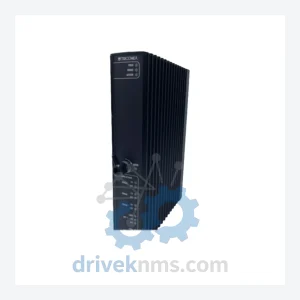
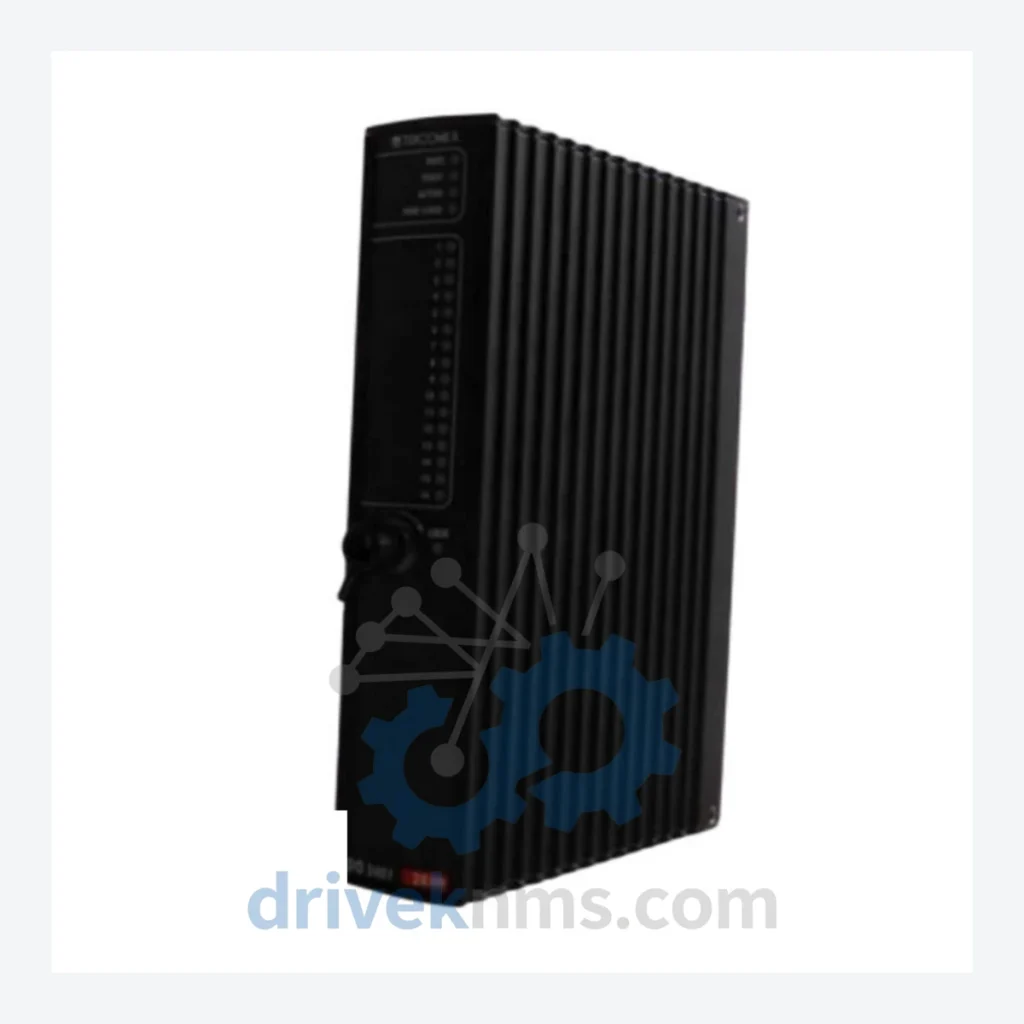
Triconex Tricon CX Series Modules: CM3201S2 CPU Module
Triconex CM3201S2 is listed for Tricon RFQ review. Confirm quantity, condition and destination before quotation.
RFQ-ready industrial model
Model: 4000066-025
Product Overview
Commercial availability is handled through direct RFQ, model verification and export-oriented follow-up rather than public cart checkout.
Datasheet Preview
Use attached product manuals when available. If the manual is not public yet, request the full file directly through RFQ.
Commercial Path
Product pages on DRIVEKNMS are designed to verify model, brand and series first, then move the buyer into one clean quotation path.
Technical Dossier
The Triconex Tricon platform, developed by Invensys and now maintained under Schneider Electric, is one of the most widely deployed Safety Instrumented Systems (SIS) in global heavy industry. Installed across petrochemical complexes, nuclear power stations, offshore platforms, LNG terminals, and refinery process units, the Tricon architecture is certified to IEC 61511 and IEC 61508 SIL 3. Its triple modular redundancy (TMR) design — three independent processing legs with continuous voting logic — makes it the reference standard for high-availability safety shutdown systems. Facilities operating Tricon controllers typically maintain 15–25 year lifecycles, making spare parts availability and long-term maintenance support a critical operational requirement.
The Tricon system was introduced in the late 1980s as a hardware-redundant alternative to relay-based safety systems. Early generations (v1–v4) used proprietary backplane buses and were limited to local I/O configurations. The v7 and v8 series introduced the Tricon Communication Module (TCM) and expanded remote I/O capability via the TriBus and TSAA protocols. The v9 platform marked a significant architectural shift: the Main Processor Module (MPM) was upgraded to a 32-bit processor, and the system gained native support for Modbus TCP and OPC DA. The v10 and v11 generations introduced the Enhanced Communication Module (ECM) and added support for HART pass-through on analog I/O modules, enabling asset management integration without breaking the safety boundary. The current generation supports IEC 61784-3 functional safety communication profiles. Compatibility between generations is constrained: v9 chassis are not backward-compatible with v7/v8 I/O modules without adapter hardware. Facilities migrating from legacy Tricon versions must conduct a full I/O mapping audit before module substitution.
CPU / Main Processor Modules
Digital Input (DI) Modules
Digital Output (DO) Modules
Analog Input (AI) Modules
Analog Output (AO) Modules
Communication & Network Modules
Tricon modules present specific test challenges due to their TMR backplane architecture and proprietary TriBus communication protocol. Standard bench testing is insufficient to validate TMR voting integrity. DriveKNMS applies a structured test protocol for all Tricon modules:
Continue The Model Path
Move from this exact model into the matching system hub, brand archive, model-family archive or lifecycle sourcing route before sending a final RFQ list.
Related Paths
Triconex CM3201S2 is listed for Tricon RFQ review. Confirm quantity, condition and destination before quotation.
Triconex PI3381 is listed for Tricon RFQ review. Confirm quantity, condition and destination before quotation.
Triconex 7400221-100 is listed for Tricon RFQ review. Confirm quantity, condition and destination before quotation.