
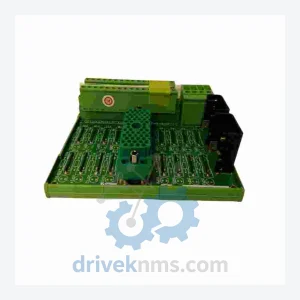
Triconex 9662-610 Termination Board – Obsolete Tricon Spare Part
Triconex 9662-610 is listed for Tricon RFQ review. Confirm quantity, condition and destination before quotation.
RFQ-ready industrial model
Model: 4201
Product Overview
Commercial availability is handled through direct RFQ, model verification and export-oriented follow-up rather than public cart checkout.
Datasheet Preview
Use attached product manuals when available. If the manual is not public yet, request the full file directly through RFQ.
Commercial Path
Product pages on DRIVEKNMS are designed to verify model, brand and series first, then move the buyer into one clean quotation path.
Technical Dossier
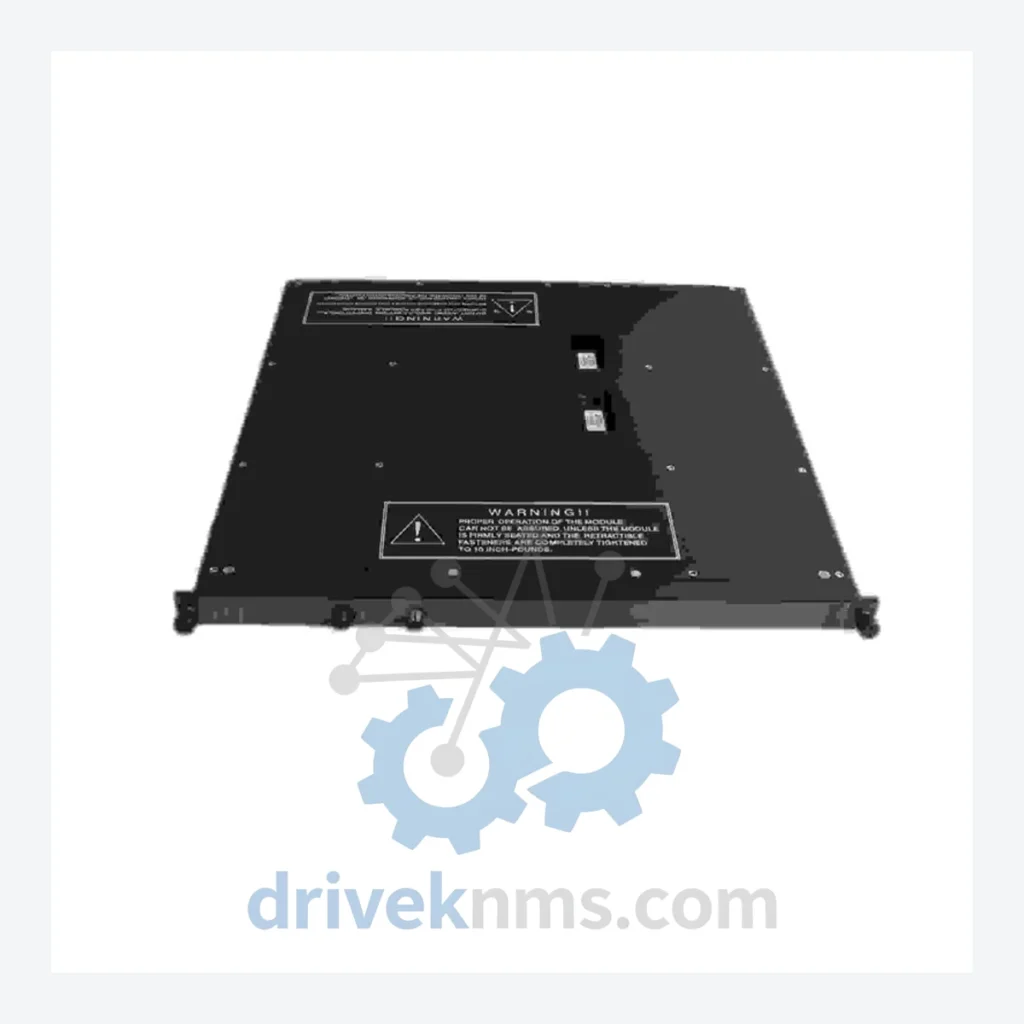
The Triconex Safety System platform, developed by Schneider Electric (formerly Invensys), is one of the most widely deployed Safety Instrumented System (SIS) architectures in global heavy industry. The Triconex 4201 processor module operates within the Tricon TMR (Triple Modular Redundancy) architecture, which executes three parallel processing paths and performs continuous voting to ensure fault-tolerant operation. Installations span petrochemical complexes, offshore oil and gas platforms, nuclear power stations, LNG terminals, and refinery process units across North America, the Middle East, and Asia-Pacific. The platform's IEC 61511 and IEC 61508 SIL 3 certifications make it the reference standard for safety-critical loop control where process shutdown integrity is non-negotiable.
The Triconex TMR architecture was introduced in the 1980s as a hardware-redundant alternative to relay-based safety systems. The original Tricon platform used the 4201 and 4351 processor families operating on a proprietary backplane bus with deterministic scan cycles. In the 1990s, Triconex expanded the I/O module range to support analog, digital, and pulse input types, enabling direct integration with field transmitters and final elements without intermediate signal conditioning.
The transition to the Tricon v9 and v10 firmware generations introduced enhanced diagnostics, expanded memory addressing, and compatibility with TriStation 1131 programming software. The subsequent Tricon CX platform (model range 4351A, 4352A) introduced a Common Industrial Protocol (CIP) communication layer and Ethernet-based engineering workstation connectivity, replacing the earlier RS-232 serial programming interface. Legacy 4201-series processors remain in service at sites that have not migrated to Tricon CX, creating sustained demand for spare parts and lifecycle support. Compatibility between 4201-generation hardware and modern TriStation software versions requires careful firmware version matching, which DriveKNMS documents for each unit prior to shipment.
The following SKUs represent the verified Triconex Tricon platform module range. Units are classified by functional category.
Processor & Main Processor Modules
Digital Input (DI) Modules
Digital Output (DO) Modules
Analog Input (AI) Modules
Power Supply Modules
Communication & Network Modules
Triconex TMR modules present specific test challenges due to their three-leg voting architecture. A module that passes single-path functional tests may still exhibit inter-leg communication faults that only manifest under loaded backplane conditions. DriveKNMS uses a dedicated Tricon chassis test bench that replicates the full backplane bus environment, allowing each module to be exercised under realistic TMR voting conditions.
Continue The Model Path
Move from this exact model into the matching system hub, brand archive, model-family archive or lifecycle sourcing route before sending a final RFQ list.
Related Paths
Triconex 9662-610 is listed for Tricon RFQ review. Confirm quantity, condition and destination before quotation.
Triconex 3805E is listed for Tricon RFQ review. Confirm quantity, condition and destination before quotation.
Triconex 4119A is listed for Tricon RFQ review. Confirm quantity, condition and destination before quotation.