
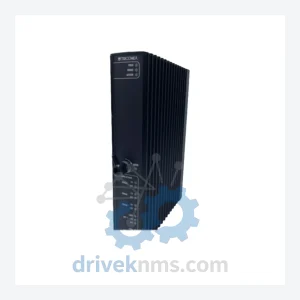
Triconex Tricon CX Series Modules: CM3201S2 CPU Module
Triconex CM3201S2 is listed for Tricon RFQ review. Confirm quantity, condition and destination before quotation.
RFQ-ready industrial model
Model: 4210
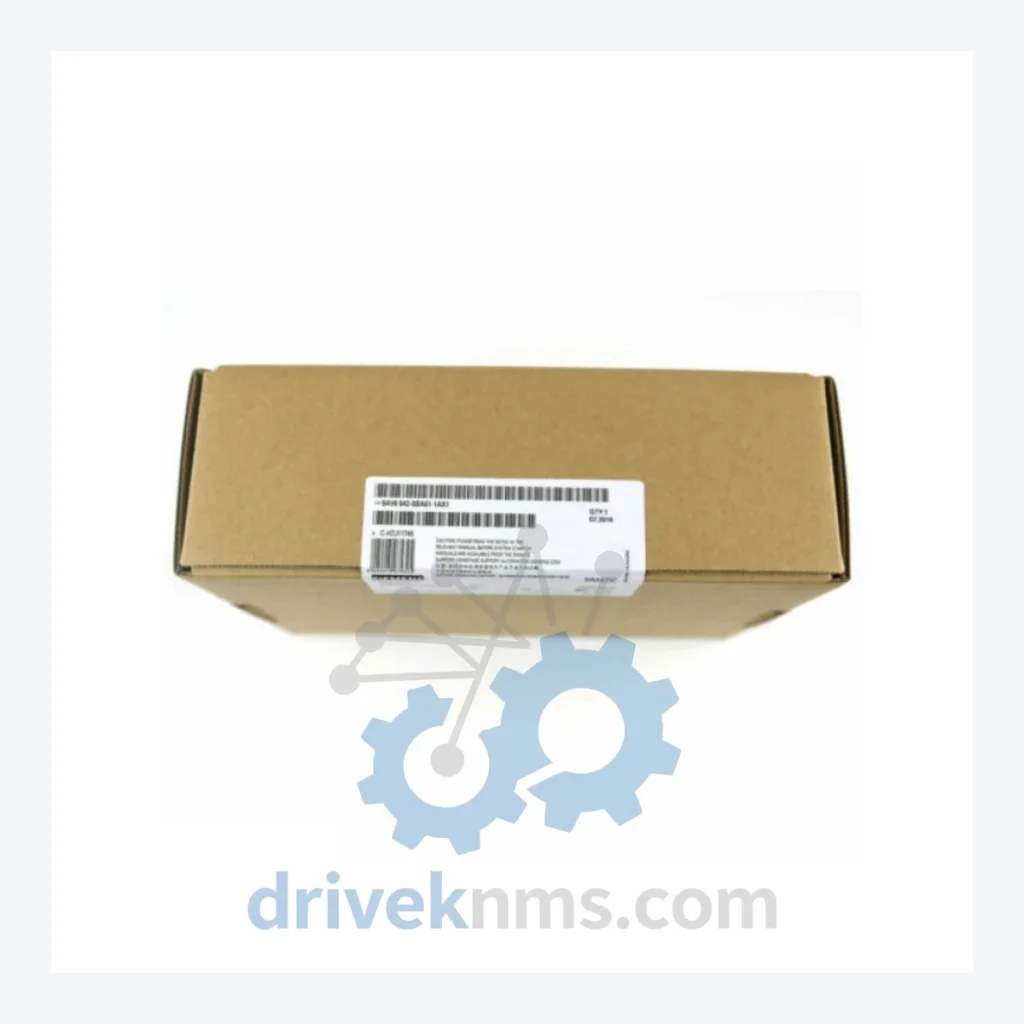
Product Overview
Commercial availability is handled through direct RFQ, model verification and export-oriented follow-up rather than public cart checkout.
Datasheet Preview
Use attached product manuals when available. If the manual is not public yet, request the full file directly through RFQ.
Commercial Path
Product pages on DRIVEKNMS are designed to verify model, brand and series first, then move the buyer into one clean quotation path.
Technical Dossier
RFQ support for obsolete parts: Send the model number, required quantity and destination so DriveKNMS can confirm sourcing options before quotation.
| Parameter | Detail |
|---|---|
| Part Number | 4210 |
| Manufacturer | Triconex (Schneider Electric) |
| Module Type | Analog Input Module |
| Compatible Platform | Tricon TMR Safety System (Tricon v9/v10 chassis) |
| Typical Application | Safety Instrumented Systems (SIS), ESD, F&G |
| Discontinuation Status | Confirmed Obsolete – No longer manufactured |
| Country of Origin | United States |
| Condition Available | New Surplus / Professionally Refurbished |
Q: How are RFQ terms confirmed?
A: Quantity, required condition, documentation needs, destination and sourcing route are confirmed during RFQ review before quotation.
The Triconex Tricon platform was the backbone of safety shutdown and emergency depressurization systems across oil & gas, petrochemical, and power generation facilities throughout the 1990s and 2000s. Its TMR voting logic — 2-out-of-3 — provided a level of fault tolerance that many operators have not been able to justify replacing with a modern equivalent, particularly when the existing system continues to perform within its validated SIL parameters.
The 4210 Analog Input Module sits at the data acquisition layer of this architecture. It converts field-level process signals — pressure transmitters, temperature sensors, flow elements — into the digital values the Tricon main processor uses for safety logic execution. There is no generic substitute. The module communicates over Triconex's proprietary backplane bus; a non-OEM card cannot be inserted and expected to function. This is not a commodity component.
For plant managers operating under capital expenditure constraints, the calculus is straightforward: a verified 4210 spare, held in climate-controlled storage, costs a fraction of one day of unplanned production loss. For facilities in jurisdictions where SIS re-certification requires third-party audit, the cost of a platform migration is not merely financial — it introduces a re-validation timeline measured in months, during which the process must either operate without a compliant safety layer or be shut down entirely.
Every Triconex 4210 unit processed by DriveKNMS passes a five-stage inspection protocol before it is offered for sale. This protocol was developed specifically for legacy safety system components where field failure is not an acceptable outcome.
Stage 2 – Electrolytic Capacitor Assessment: Aging electrolytic capacitors are the primary failure mode in modules manufactured in the 1990s–2000s. Each unit is inspected for capacitor bulging, electrolyte leakage, and ESR deviation. Units with suspect capacitors are either recapped by qualified technicians or rejected.
Stage 3 – Firmware and Label Verification: Hardware revision markings and any accessible firmware identifiers are documented and cross-referenced against known Tricon compatibility matrices. Mismatched revisions that could cause chassis incompatibility are flagged before dispatch review.
Stage 4 – Connector and Backplane Interface Check: The backplane edge connector and field wiring terminal block are inspected for oxidation and contact integrity. Corroded contacts are treated or the unit is rejected.
Stage 5 – Functional Power-On Test (where test bench available): Where DriveKNMS test infrastructure supports it, modules are powered and basic I/O response is verified. Test results are documented and available to the buyer on request.
The Triconex 4210 is a direct, drop-in replacement for a failed unit within the same Tricon chassis generation. Installation does not require reprogramming of the Tricon application software, re-configuration of the TriStation engineering workstation, or modification of the I/O map — provided the replacement unit matches the hardware revision of the failed module. This is the defining operational advantage of sourcing an OEM-equivalent spare versus pursuing a platform migration.
Facilities that have invested in TriStation 1131 programming environments, validated their SIS logic under IEC 61511, and trained their instrument engineers on Tricon diagnostics have a substantial embedded asset that a single unavailable I/O card should not force them to abandon. A verified 4210 spare preserves that investment without engineering rework, without re-validation cost, and without production interruption.
For maintenance planners building a long-term spare parts strategy around an aging Tricon installation, DriveKNMS recommends holding a minimum of two 4210 units per chassis as insurance against the increasing scarcity of this module in the secondary market. The window for sourcing verified units at reasonable cost is narrowing as global inventory is consumed and not replenished.
Q: How is condition confirmed before quotation?
A: Available condition, photos, test records and documentation are checked according to the requested model and sourcing channel before a formal RFQ response.
How do I confirm the unit is new surplus or quality-refurbished — not a field pull with unknown history?
Each unit is graded at intake. New surplus units are identified as such with supporting documentation where available. Refurbished units are accompanied by the DriveKNMS 5-stage inspection record. We do not sell unverified field pulls without explicit disclosure of that status to the buyer.
Should I purchase more than one unit?
For any Tricon installation where the 4210 is a populated module type, holding at least two spares is the standard recommendation for facilities with a 5–10 year operational horizon. The secondary market supply of this module is finite and declining. Procurement cost today is materially lower than emergency sourcing cost in 18–36 months.
Can you source other Triconex modules?
Yes. DriveKNMS specializes in obsolete and hard-to-find industrial automation components across multiple platforms including Triconex, Honeywell, ABB, Rockwell, and others. Contact us with your full BOM for a consolidated sourcing assessment.
Continue The Model Path
Move from this exact model into the matching system hub, brand archive, model-family archive or lifecycle sourcing route before sending a final RFQ list.
Related Paths
Triconex CM3201S2 is listed for Tricon RFQ review. Confirm quantity, condition and destination before quotation.
Triconex PI3381 is listed for Tricon RFQ review. Confirm quantity, condition and destination before quotation.
Triconex 7400221-100 is listed for Tricon RFQ review. Confirm quantity, condition and destination before quotation.