
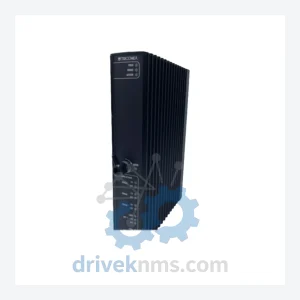
Triconex Tricon CX Series Modules: CM3201S2 CPU Module
Triconex CM3201S2 is listed for Tricon RFQ review. Confirm quantity, condition and destination before quotation.
RFQ-ready industrial model
Model: 4329G
Product Overview
Commercial availability is handled through direct RFQ, model verification and export-oriented follow-up rather than public cart checkout.
Datasheet Preview
Use attached product manuals when available. If the manual is not public yet, request the full file directly through RFQ.
Commercial Path
Product pages on DRIVEKNMS are designed to verify model, brand and series first, then move the buyer into one clean quotation path.
Technical Dossier
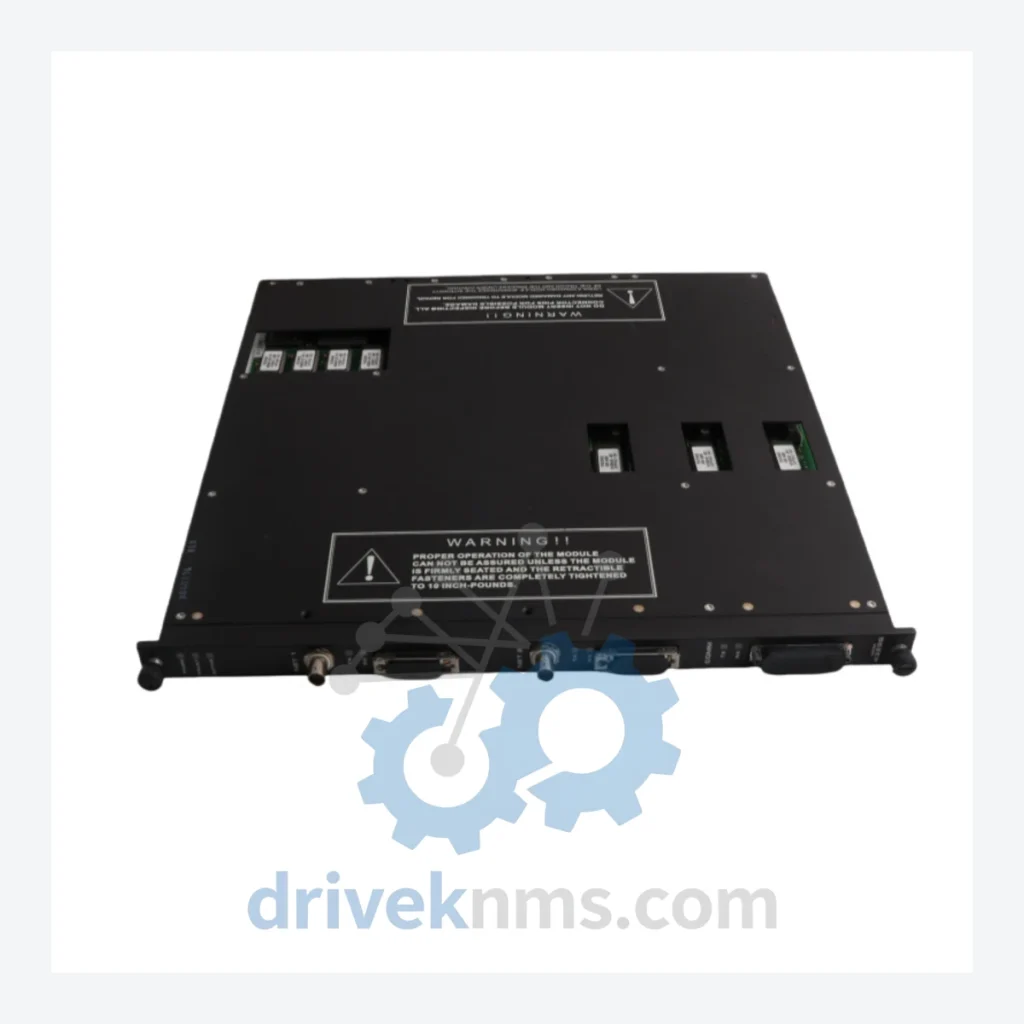
The Triconex 4329G Network Communication Module (NCM) is a core component of the Triconex Tricon Safety System platform, manufactured by Schneider Electric (formerly Invensys). This module is deployed across critical process industries including petrochemical refineries, offshore oil & gas platforms, nuclear power generation facilities, and large-scale chemical processing plants. The Tricon architecture is a Triple Modular Redundant (TMR) safety system certified to IEC 61511 and IEC 61508 SIL 3, making it one of the most widely installed Safety Instrumented Systems (SIS) globally. The 4329G specifically handles network communication functions within the Tricon chassis, enabling integration with DCS hosts, historian servers, and engineering workstations via standard industrial protocols.
The Triconex communication module lineage spans over three decades of industrial safety system development. Early Tricon systems (v9.x and v10.x firmware) relied on proprietary TriStation 1131 programming environments and used dedicated serial-based communication modules. The introduction of the 4329 series marked a transition toward Ethernet-based communication, supporting Modbus TCP, OPC DA, and Triconex-native protocols over standard RJ-45 infrastructure.
The 4329G represents a mature revision within the 4329 family, incorporating hardware-level improvements for EMI tolerance and extended temperature operation. Compatibility considerations are critical: the 4329G is designed for use with Tricon v10 and v11 chassis configurations. Mixing communication module revisions across chassis slots without firmware alignment can result in communication faults or system degradation. Engineers maintaining legacy Tricon installations must verify chassis backplane revision, firmware version, and module hardware revision (suffix letter) before substitution.
As the Tricon platform has entered its extended lifecycle phase, Schneider Electric has positioned the Tricon CX and Triconex Safety Validator as successor platforms. However, the installed base of Tricon v10/v11 systems in long-lifecycle industries (nuclear, refining) ensures continued demand for 4329G and compatible NCM modules through at least 2035.
The following SKUs represent verified components within the Triconex Tricon platform. Each entry reflects a distinct functional role within the TMR architecture:
Network Communication Modules (NCM)
Main Processor Modules (MP / CPU)
Digital Input Modules (DI)
Digital Output Modules (DO)
Analog Input Modules (AI)
Power Supply Modules (PS)
Communication modules within the Tricon platform present specific test challenges due to their role in TMR backplane arbitration and network protocol handling. DriveKNMS applies a structured test protocol for all 4329-series NCM units prior to shipment:
Continue The Model Path
Move from this exact model into the matching system hub, brand archive, model-family archive or lifecycle sourcing route before sending a final RFQ list.
Related Paths
Triconex CM3201S2 is listed for Tricon RFQ review. Confirm quantity, condition and destination before quotation.
Triconex PI3381 is listed for Tricon RFQ review. Confirm quantity, condition and destination before quotation.
Triconex 7400221-100 is listed for Tricon RFQ review. Confirm quantity, condition and destination before quotation.