
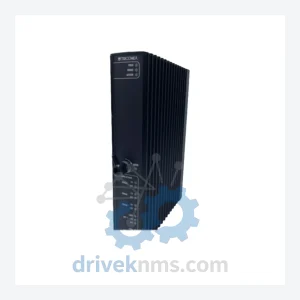
Triconex Tricon CX Series Modules: CM3201S2 CPU Module
Triconex CM3201S2 is listed for Tricon RFQ review. Confirm quantity, condition and destination before quotation.
RFQ-ready industrial model
Model: 4609
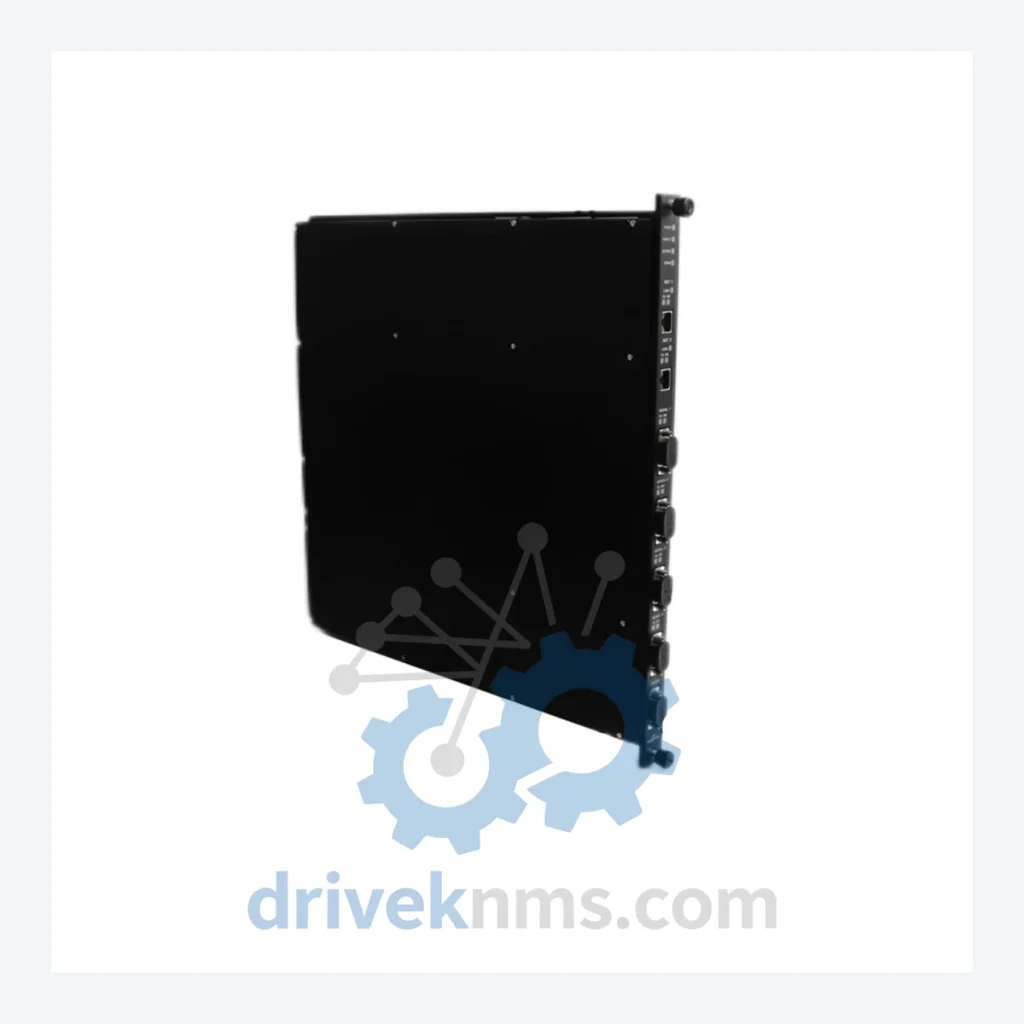
Product Overview
Commercial availability is handled through direct RFQ, model verification and export-oriented follow-up rather than public cart checkout.
Datasheet Preview
Use attached product manuals when available. If the manual is not public yet, request the full file directly through RFQ.
Commercial Path
Product pages on DRIVEKNMS are designed to verify model, brand and series first, then move the buyer into one clean quotation path.
Technical Dossier
If your facility is running a Tricon or Trident safety system and this module is on your critical spares list, the window to source genuine units is narrowing.
RFQ support for obsolete parts: Send the model number, required quantity and destination so DriveKNMS can confirm sourcing options before quotation.
| Part Number | 4609 |
| Manufacturer | Triconex (Schneider Electric) |
| Module Type | Communication Module |
| Compatible Platform | Tricon TMR Safety System (Triple Modular Redundancy) |
| Typical Application | Oil & Gas, Petrochemical, Power Generation SIS |
| Country of Origin | United States |
| Production Status | Discontinued – No longer available through standard distribution |
| Condition Available | New surplus / Professionally refurbished (see QA section) |
Note: Electrical parameters are not published here to prevent misapplication. Contact our technical team for full datasheet verification prior to installation.
The Triconex Tricon platform was the backbone of safety instrumented systems across refineries, LNG terminals, and chemical plants throughout the 1990s and 2000s. Its Triple Modular Redundancy architecture — three independent processing legs with continuous cross-comparison — set the standard for SIL 3 safety applications. That same architectural maturity is now its procurement liability: Triconex has transitioned its product roadmap to the Tricon CX and Trident platforms, leaving legacy Tricon I/O and communication modules without a direct factory replacement path.
The 4609 Communication Module sits at the data highway layer of the Tricon chassis. It manages peer-to-peer communication between Tricon nodes and, in many configurations, handles the interface to the plant DCS or historian. A failed 4609 does not merely interrupt one loop — it can isolate an entire safety node, triggering a forced shutdown of the process it protects.
Facilities that have attempted to extend Tricon system life through software upgrades alone consistently encounter the same barrier: the hardware communication layer cannot be patched. The 4609 must be physically present and functional. For plant managers facing a 3–7 year runway before a planned SIS migration, sourcing and holding one or two verified spare 4609 modules is the lowest-cost insurance available against an unplanned outage.
How to extend your Tricon system life by 5–10 years without a full migration:
Sourcing a discontinued module from the secondary market carries real risk. DriveKNMS applies a five-step qualification process to every 4609 unit before it is offered for sale:
Q: How are RFQ terms confirmed?
A: Quantity, required condition, documentation needs, destination and sourcing route are confirmed during RFQ review before quotation.
How do I know the unit is genuine and not counterfeit?
All units sourced by DriveKNMS are inspected for manufacturer markings, label authenticity, and PCB characteristics consistent with genuine Triconex production. We do not purchase from unverified brokers. Provenance documentation is provided where available.
Should I buy one spare or several?
For a single Tricon node with one installed 4609, a minimum of one cold spare is recommended. For multi-node installations or facilities with a planned SIS migration more than three years out, we recommend a two-to-three unit reserve. Secondary market availability of the 4609 will continue to decline as installed base units age out of service.
Continue The Model Path
Move from this exact model into the matching system hub, brand archive, model-family archive or lifecycle sourcing route before sending a final RFQ list.
Related Paths
Triconex CM3201S2 is listed for Tricon RFQ review. Confirm quantity, condition and destination before quotation.
Triconex PI3381 is listed for Tricon RFQ review. Confirm quantity, condition and destination before quotation.
Triconex 7400221-100 is listed for Tricon RFQ review. Confirm quantity, condition and destination before quotation.