
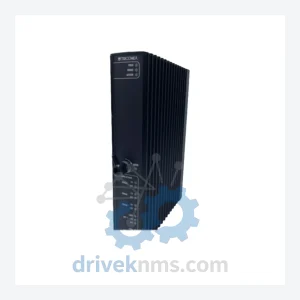
Triconex Tricon CX Series Modules: CM3201S2 CPU Module
Triconex CM3201S2 is listed for Tricon RFQ review. Confirm quantity, condition and destination before quotation.
RFQ-ready industrial model
Model: 7400207-001
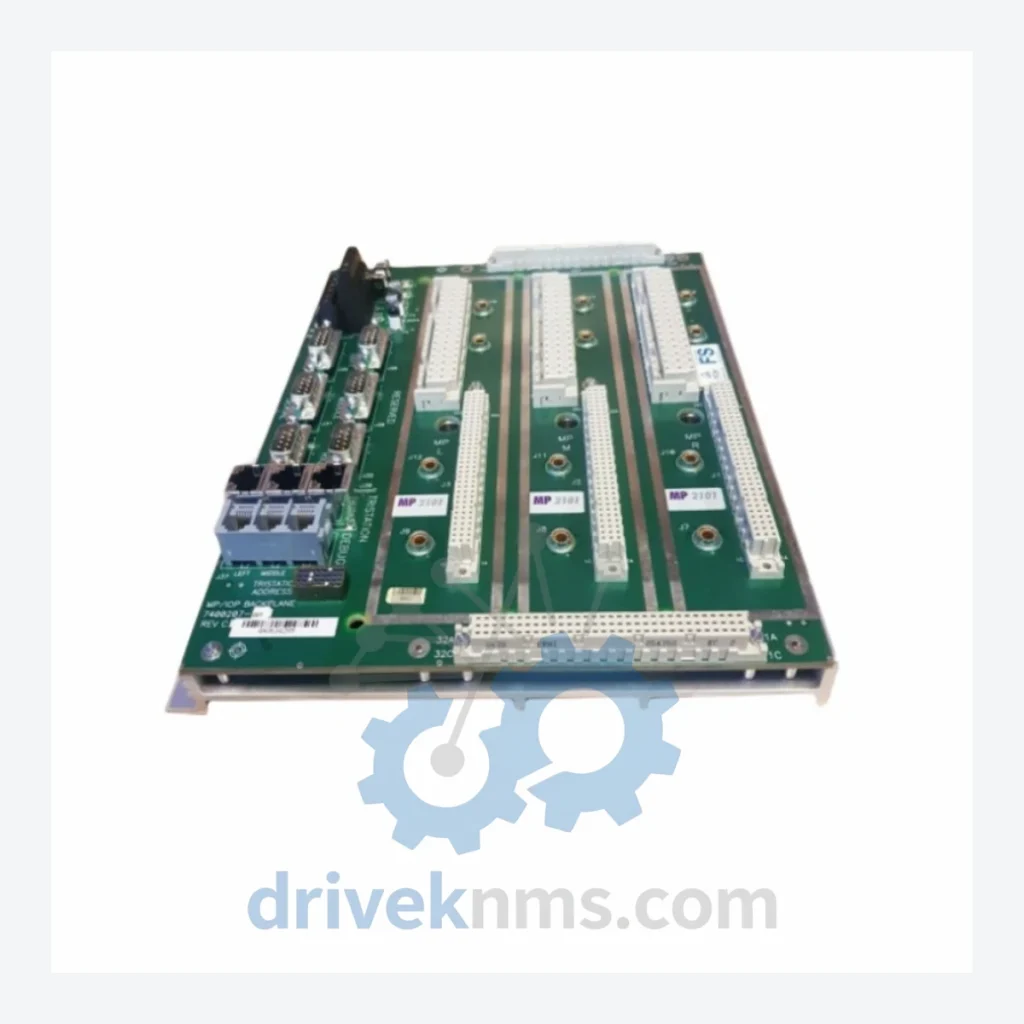
Product Overview
Commercial availability is handled through direct RFQ, model verification and export-oriented follow-up rather than public cart checkout.
Datasheet Preview
Use attached product manuals when available. If the manual is not public yet, request the full file directly through RFQ.
Commercial Path
Product pages on DRIVEKNMS are designed to verify model, brand and series first, then move the buyer into one clean quotation path.
Technical Dossier
DriveKNMS maintains sourced inventory of the 7400207-001 for facilities that have chosen — correctly — to extend the operational life of their Tricon-based safety infrastructure rather than absorb the cost and risk of platform replacement.
RFQ support for obsolete parts: Send the model number, required quantity and destination so DriveKNMS can confirm sourcing options before quotation.
| Parameter | Detail |
|---|---|
| Part Number | 7400207-001 |
| Brand | Triconex (Schneider Electric / formerly Invensys) |
| Series | Tricon v9 / v10 TMR Safety Controller |
| Module Type | Analog Input Module |
| Lifecycle Status | Discontinued / Obsolete – No longer manufactured |
| Compatible Platform | Tricon Triple Modular Redundancy (TMR) Safety System |
| Country of Origin | United States |
| Electrical Parameters | Refer to OEM datasheet (Triconex 7400207-001 Product Manual) |
| Certifications | Refer to OEM documentation for SIL rating and hazardous area approvals |
The Triconex Tricon platform has been the backbone of safety instrumented systems in oil refineries, LNG terminals, chemical plants, and power generation facilities for decades. Its TMR architecture — where three independent processors vote on every I/O decision — delivers the fault tolerance required for SIL 3 applications. That same architectural specificity is what makes the 7400207-001 irreplaceable within an existing Tricon chassis: you cannot insert a third-party analog input module and maintain system certification.
Schneider Electric has progressively moved its safety portfolio toward the Tricon CX and Triconex 3000 platforms. Support and spare parts availability for legacy Tricon v9/v10 hardware has narrowed significantly. Facilities still operating on this platform face a binary choice: fund a full SIS migration or secure a strategic inventory of critical spare modules to protect the asset through its remaining operational life.
Sourcing obsolete safety system components from the secondary market carries real risk. DriveKNMS applies a structured 5-step QA process to every 7400207-001 unit before it leaves our facility:
Facilities operating legacy Triconex Tricon systems are not in an unusual position — they are managing the reality that safety-critical infrastructure has a longer operational life than the commercial lifecycle of the hardware it runs on. The question is not whether to maintain the platform, but how to do so cost-effectively.
A structured spare parts strategy for the Tricon platform should address three categories of risk: single-point-of-failure modules (those with no installed redundancy), high-wear analog I/O cards (which handle continuous signal conditioning and are statistically more likely to degrade), and modules with known obsolescence timelines where secondary market availability is declining.
Q: How are RFQ terms confirmed?
A: Quantity, required condition, documentation needs, destination and sourcing route are confirmed during RFQ review before quotation.
DriveKNMS works with maintenance engineering teams and procurement departments at process industry facilities globally to identify critical spare requirements and source verified OEM hardware before availability windows close.
Q: How do I know the unit is genuine OEM and not a counterfeit?
A: All units are sourced through traceable supply channels. Physical markings, board revision, and firmware are cross-referenced against known OEM specifications. We do not sell remarked or counterfeit hardware.
Q: How many units should we hold as strategic spares?
A: For a Tricon system with multiple analog input modules in service, a minimum of one verified spare per critical loop is the standard recommendation. For facilities with extended maintenance intervals or remote locations, two units per critical application is a more conservative and defensible position.
Continue The Model Path
Move from this exact model into the matching system hub, brand archive, model-family archive or lifecycle sourcing route before sending a final RFQ list.
Related Paths
Triconex CM3201S2 is listed for Tricon RFQ review. Confirm quantity, condition and destination before quotation.
Triconex PI3381 is listed for Tricon RFQ review. Confirm quantity, condition and destination before quotation.
Triconex 7400221-100 is listed for Tricon RFQ review. Confirm quantity, condition and destination before quotation.