
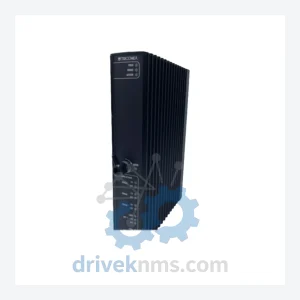
Triconex Tricon CX Series Modules: CM3201S2 CPU Module
Triconex CM3201S2 is listed for Tricon RFQ review. Confirm quantity, condition and destination before quotation.
RFQ-ready industrial model
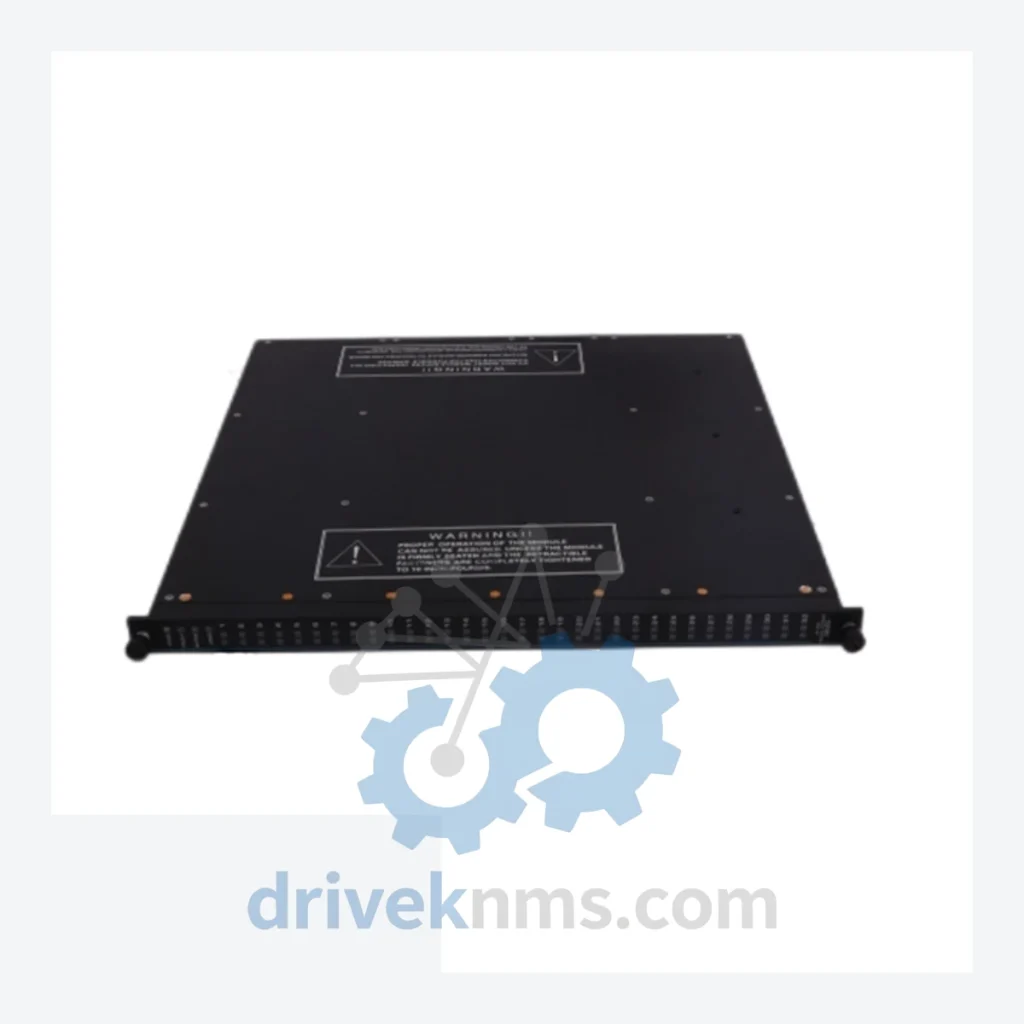
Model: 7400209-010
Product Overview
Commercial availability is handled through direct RFQ, model verification and export-oriented follow-up rather than public cart checkout.
Datasheet Preview
Use attached product manuals when available. If the manual is not public yet, request the full file directly through RFQ.
Commercial Path
Product pages on DRIVEKNMS are designed to verify model, brand and series first, then move the buyer into one clean quotation path.
Technical Dossier
When a Triconex Tricon Safety Instrumented System (SIS) processor module fails, the consequences extend far beyond a single component replacement. The Tricon platform — deployed across oil & gas, petrochemical, nuclear, and power generation facilities worldwide — is deeply embedded in safety-critical infrastructure that cannot be casually upgraded. A forced migration away from a functioning Tricon architecture typically involves full SIS re-engineering, third-party safety validation, regulatory re-certification, and extended plant shutdown. Conservative industry estimates place such projects in the range of USD $2–5 million per installation, excluding lost production revenue. The 7400209-010 processor module is a direct load-bearing component of that architecture. DriveKNMS holds RFQ-reviewed sourcing status of this unit. This is not a catalog listing — it is a RFQ-reviewed sourcing status position on a part that the open market has largely exhausted.
RFQ support for obsolete parts: Send the model number, required quantity and destination so DriveKNMS can confirm sourcing options before quotation.
| Attribute | Detail |
|---|---|
| Manufacturer | Triconex (Schneider Electric) |
| Part Number | 7400209-010 |
| Product Family | Tricon Safety Controller |
| Module Type | Processor Module |
| Platform Compatibility | Tricon v9 / v10 Safety System Chassis |
| Country of Origin | United States |
| Lifecycle Status | Discontinued / Obsolete – No longer manufactured or supported by OEM |
| Communication | Tribus backplane communication protocol |
| Redundancy Architecture | Triple Modular Redundancy (TMR) |
Note: Electrical parameters not independently verified. Specifications above are drawn from publicly available Triconex documentation. No parameters have been assumed or fabricated.
The Triconex Tricon platform was the dominant safety PLC architecture for high-hazard process industries through the 1990s and 2000s. Its Triple Modular Redundancy design — where three independent processors vote on every output — set the benchmark for SIL 3 safety integrity. Schneider Electric has progressively wound down hardware support for legacy Tricon chassis generations, leaving facilities with two options: undertake a full system replacement, or maintain the existing installation through strategic spare parts management.
The processor module is the most failure-sensitive component in the Tricon chassis. Unlike I/O modules, which can often be sourced through broader channels, the main processor carries firmware dependencies, backplane timing requirements, and TMR synchronization logic that make cross-generation substitution impractical without engineering intervention. A facility that loses its last functioning processor module — with no replacement on hand — faces an unplanned shutdown with no defined recovery timeline.
Plant managers operating legacy Tricon systems should treat the 7400209-010 as a strategic asset, not a consumable. Holding one or two verified spare units on-site is the lowest-cost insurance policy available against a multi-million-dollar forced migration. The cost differential between a spare processor module and a full SIS replacement project is not marginal — it is measured in orders of magnitude.
For facilities under pressure from corporate asset rationalization programs, the argument for maintaining legacy SIS hardware is straightforward: if the process unit is still generating revenue, and the safety system is still performing its certified function, the economic case for premature replacement is weak. Documented spare parts availability directly supports the argument for a 5–10 year asset life extension, deferring capital expenditure to a planned cycle rather than an emergency response.
DriveKNMS applies a structured 5-step quality process to all obsolete processor modules before dispatch review:
Step 1 – Electrolytic Capacitor Inspection: Aging capacitors are the primary failure mode in legacy processor boards. Each unit undergoes visual and ESR (Equivalent Series Resistance) testing to identify capacitor degradation before it becomes a field failure.
Step 2 – Firmware Version Verification: The firmware revision is read and documented. Compatibility with the target Tricon chassis generation is confirmed prior to dispatch. Mismatched firmware versions are flagged and disclosed.
Step 3 – Pin and Connector Integrity Check: Backplane connector pins are inspected under magnification for oxidation, mechanical deformation, and corrosion. Affected contacts are cleaned using approved non-conductive solvents.
Step 4 – Functional Bench Test: Where test infrastructure permits, the module is powered and subjected to a functional verification sequence against known-good reference parameters.
Step 5 – Packaging and ESD Protection: Units are packaged in anti-static shielding bags with desiccant, inside rigid foam-lined cartons rated for international freight handling.
The 7400209-010 is a direct hardware replacement for the same part number within compatible Tricon chassis generations. Key operational advantages for maintenance teams:
Drop-in Replacement: The module installs into the existing chassis slot without mechanical modification. No rewiring, no I/O reconfiguration.
No Reprogramming Required: Safety application logic resides in the Tricon Main Processor memory and associated I/O configuration — not in the processor module hardware itself. A qualified replacement does not require reloading or revalidating the safety application, subject to firmware compatibility confirmation.
Avoids Engineering Reconstruction Costs: Substituting a like-for-like processor module eliminates the need for SIS re-engineering, HAZOP review updates, or functional safety assessment re-runs that a platform migration would trigger.
Maintains Existing Safety Certification: Operating within the validated hardware configuration preserves the existing SIL certification boundary. Introducing new platform hardware restarts the certification clock.
Q: Can you source other Triconex or legacy safety system components?
A: Yes. DriveKNMS specializes in obsolete and hard-to-find industrial automation components across Triconex, Honeywell Safety Manager, ICS Triplex, and related legacy SIS platforms. Contact us with your full bill of materials for a consolidated sourcing assessment.
Continue The Model Path
Move from this exact model into the matching system hub, brand archive, model-family archive or lifecycle sourcing route before sending a final RFQ list.
Related Paths
Triconex CM3201S2 is listed for Tricon RFQ review. Confirm quantity, condition and destination before quotation.
Triconex PI3381 is listed for Tricon RFQ review. Confirm quantity, condition and destination before quotation.
Triconex 7400221-100 is listed for Tricon RFQ review. Confirm quantity, condition and destination before quotation.