
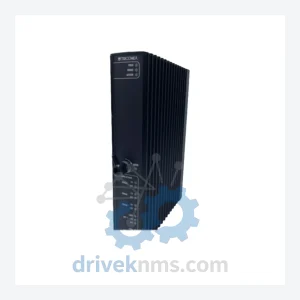
Triconex Tricon CX Series Modules: CM3201S2 CPU Module
Triconex CM3201S2 is listed for Tricon RFQ review. Confirm quantity, condition and destination before quotation.
RFQ-ready industrial model
Model: 8110
Product Overview
Commercial availability is handled through direct RFQ, model verification and export-oriented follow-up rather than public cart checkout.
Datasheet Preview
Use attached product manuals when available. If the manual is not public yet, request the full file directly through RFQ.
Commercial Path
Product pages on DRIVEKNMS are designed to verify model, brand and series first, then move the buyer into one clean quotation path.
Technical Dossier
The Triconex Tricon series is a Triple Modular Redundant (TMR) safety programmable logic controller platform developed by Triconex (now a Schneider Electric brand). It is one of the most widely deployed safety instrumented systems (SIS) in global heavy industry, with documented installations in petroleum refining, chemical processing, nuclear power generation, LNG terminals, and offshore platforms. The Tricon architecture achieves IEC 61511 SIL 3 certification by executing all logic across three independent processing paths simultaneously, with a fault-tolerant voter circuit that maintains output integrity even when one channel fails. This design philosophy has made the Tricon the reference standard for high-consequence process safety applications where unplanned shutdowns carry multi-million-dollar operational penalties.
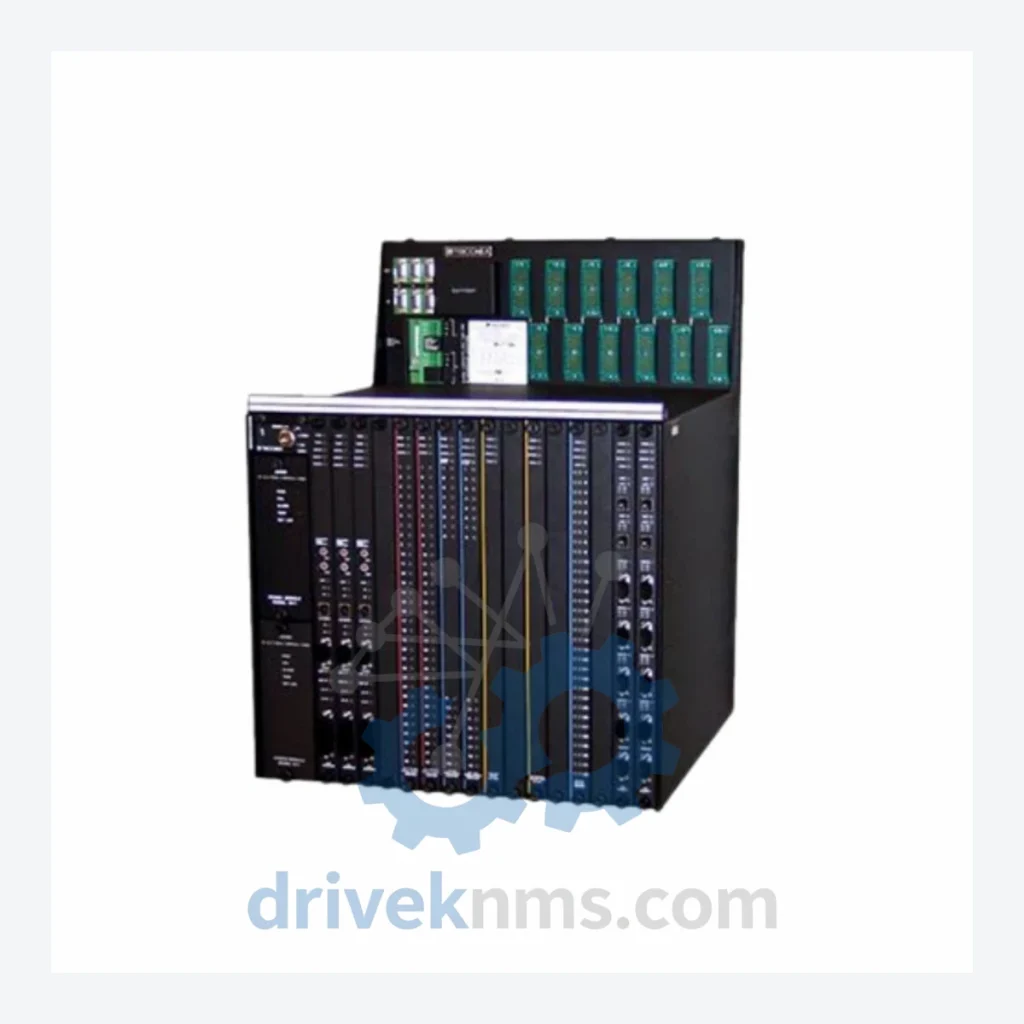
The 8110 High Density Main Chassis is the primary backplane assembly for Tricon systems, providing the physical and electrical infrastructure for all I/O, communication, and processing modules. It supports high-density module population, reducing rack space requirements in large-scale installations.
The Triconex Tricon platform was introduced in the late 1980s as one of the first commercially available TMR safety controllers. The original Tricon v1 and v2 systems used proprietary backplane communication and were programmed via early versions of TriStation software. Through the 1990s, Triconex released the Tricon v9 and v10 hardware generations, which introduced enhanced I/O density, improved diagnostics, and expanded communication options including Modbus and DH+ adapters.
The Tricon v10 and v11 generations, which remain the dominant installed base globally, introduced the Enhanced Intelligent Field Device Interface (EIFDI) and expanded the module catalog to include high-density analog and digital I/O. The TriStation 1131 programming environment standardized IEC 61131-3 function block and ladder logic programming across the platform. As the installed base aged into the 2010s, Triconex introduced the Tricon CX as a next-generation replacement, offering Ethernet-based communication and modern cybersecurity features. However, the volume of legacy Tricon v9/v10/v11 installations in active service means that demand for original spare modules — including the 8110 chassis — remains high through the 2020s and beyond.
Compatibility note: Tricon v9 modules are generally not interchangeable with v10/v11 modules. Chassis, I/O modules, and communication adapters must be matched to the correct hardware revision. Always verify the system's hardware version before ordering replacement parts.
Main Chassis & Backplane
Main Processors (MP)
Digital Input (DI) Modules
Digital Output (DO) Modules
Analog Input (AI) Modules
Analog Output (AO) Modules
Communication Modules
The Triconex Tricon v9, v10, and v11 hardware generations have been formally discontinued by Schneider Electric. Original equipment manufacturer (OEM) support for these platforms has transitioned to limited lifecycle support contracts, and new production of many module types — including the 8110 chassis — has ceased. For plant operators committed to maintaining existing Tricon installations through their process lifecycle (typically 20–30 years for refinery and chemical plant infrastructure), sourcing certified surplus and refurbished modules from specialist distributors is the primary procurement strategy.
Continue The Model Path
Move from this exact model into the matching system hub, brand archive, model-family archive or lifecycle sourcing route before sending a final RFQ list.
Related Paths
Triconex CM3201S2 is listed for Tricon RFQ review. Confirm quantity, condition and destination before quotation.
Triconex PI3381 is listed for Tricon RFQ review. Confirm quantity, condition and destination before quotation.
Triconex 7400221-100 is listed for Tricon RFQ review. Confirm quantity, condition and destination before quotation.