
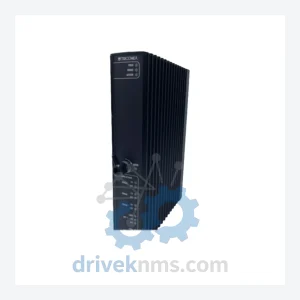
Triconex Tricon CX Series Modules: CM3201S2 CPU Module
Triconex CM3201S2 is listed for Tricon RFQ review. Confirm quantity, condition and destination before quotation.
RFQ-ready industrial model
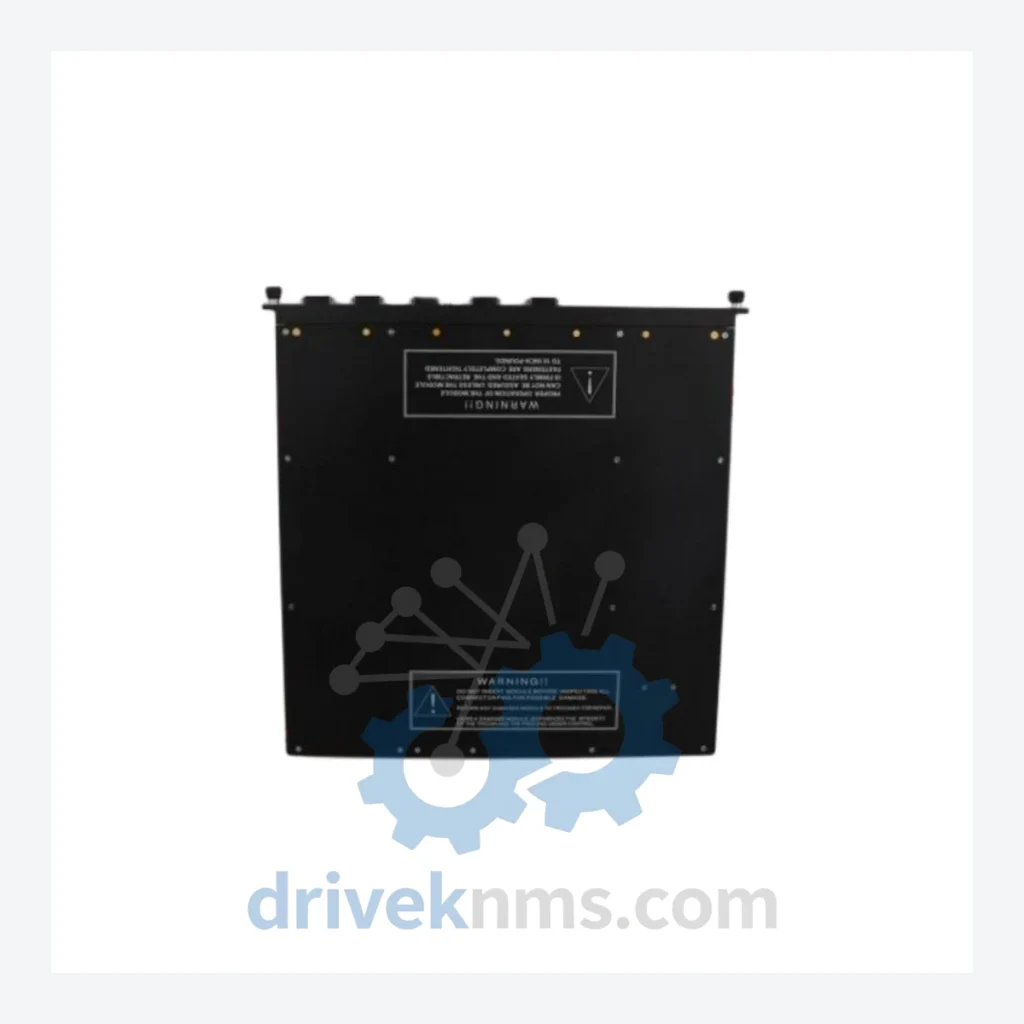
Model: 9662-110
Product Overview
Commercial availability is handled through direct RFQ, model verification and export-oriented follow-up rather than public cart checkout.
Datasheet Preview
Use attached product manuals when available. If the manual is not public yet, request the full file directly through RFQ.
Commercial Path
Product pages on DRIVEKNMS are designed to verify model, brand and series first, then move the buyer into one clean quotation path.
Technical Dossier
RFQ support for obsolete parts: Send the model number, required quantity and destination so DriveKNMS can confirm sourcing options before quotation.
| Attribute | Detail |
|---|---|
| Manufacturer | TRICONEX (Schneider Electric) |
| Part Number | 9662-110 |
| Description | Panel Field Termination Assembly |
| Platform Compatibility | TRICONEX Tricon TMR Safety System |
| Country of Origin | United States |
| Product Status | Discontinued / Obsolete |
| Condition Available | New (sealed) / Refurbished (tested) |
Note: Electrical parameters specific to this assembly are not published in open documentation. DriveKNMS does not fabricate specifications. Buyers requiring detailed electrical data should reference the original TRICONEX Tricon hardware manual or contact our technical team with their system configuration.
The TRICONEX Tricon platform has been the backbone of safety instrumented systems in high-hazard process industries for decades. Its TMR architecture — where three independent processing channels vote on every output — delivers the fault tolerance required for SIL 2 and SIL 3 applications. The 9662-110 Panel Field Termination is the physical interface layer between field instrument wiring and the Tricon I/O modules. Without a functioning termination assembly, the I/O channel is inoperable, regardless of the condition of the logic solver or power supply.
How to extend the service life of a TRICONEX Tricon system by 5 to 10 years through strategic spare parts management:
Plant managers and reliability engineers operating legacy Tricon installations should treat the following as a structured asset protection protocol, not a temporary workaround.
4. Document firmware and configuration baselines. Before any hardware swap, ensure that the existing system configuration, I/O mapping, and cause-and-effect logic are fully documented and backed up. A like-for-like hardware replacement should require no re-engineering, but configuration records must be current.
5. Engage a qualified functional safety engineer for any non-routine replacement. For SIL-rated loops, any hardware change — even a direct replacement — should be reviewed against the original safety requirements specification to confirm that the replacement does not alter the safety function.
This protocol does not require capital expenditure. It requires planning. Facilities that execute it systematically can operate legacy Tricon systems reliably for an additional 5 to 10 years beyond the point at which most organizations begin to consider forced retirement.
DriveKNMS applies a structured 5-step quality process to all discontinued hardware before dispatch review.
Step 1 – Electrolytic Capacitor Assessment: Aged power supply and signal conditioning circuits are inspected for capacitor bulging, leakage, and ESR degradation. Capacitor failure is the leading cause of latent faults in legacy industrial electronics. Units with suspect capacitors are either reconditioned or rejected.
Step 2 – Firmware Version Verification: Where applicable, firmware revision is confirmed against the known compatible versions for the target Tricon system generation. Mismatched firmware can cause communication faults or prevent module recognition by the main processor.
Q: How are RFQ terms confirmed?
A: Quantity, required condition, documentation needs, destination and sourcing route are confirmed during RFQ review before quotation.
Step 5 – Packaging and ESD Protection: All units are packaged in anti-static bags with desiccant and labeled with part number, condition grade, and test date prior to shipment.
Q: How is condition confirmed before quotation?
A: Available condition, photos, test records and documentation are checked according to the requested model and sourcing channel before a formal RFQ response.
Q: How do I confirm the unit is genuine TRICONEX and not a counterfeit?
A: All units sourced by DriveKNMS are inspected for manufacturer markings, date codes, and board-level construction consistent with genuine TRICONEX production. We do not source from unverified brokers. Documentation of provenance is available for units where supply chain records exist.
Q: Can you support multi-unit or repeat RFQ requests?
A: Yes. Send the model list, target quantity and destination so DRIVEKNMS can review sourcing options and quote the requirement as a project RFQ.
Continue The Model Path
Move from this exact model into the matching system hub, brand archive, model-family archive or lifecycle sourcing route before sending a final RFQ list.
Related Paths
Triconex CM3201S2 is listed for Tricon RFQ review. Confirm quantity, condition and destination before quotation.
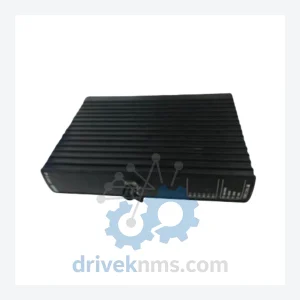
Triconex PI3381 is listed for Tricon RFQ review. Confirm quantity, condition and destination before quotation.
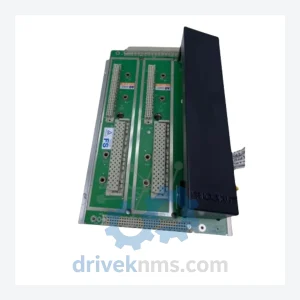
Triconex 7400221-100 is listed for Tricon RFQ review. Confirm quantity, condition and destination before quotation.