
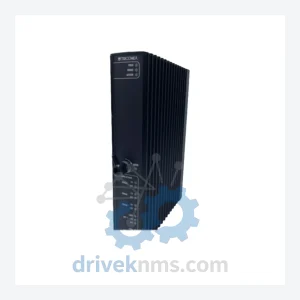
Triconex Tricon CX Series Modules: CM3201S2 CPU Module
Triconex CM3201S2 is listed for Tricon RFQ review. Confirm quantity, condition and destination before quotation.
RFQ-ready industrial model
Model: 9662-610
Product Overview
Commercial availability is handled through direct RFQ, model verification and export-oriented follow-up rather than public cart checkout.
Datasheet Preview
Use attached product manuals when available. If the manual is not public yet, request the full file directly through RFQ.
Commercial Path
Product pages on DRIVEKNMS are designed to verify model, brand and series first, then move the buyer into one clean quotation path.
Technical Dossier
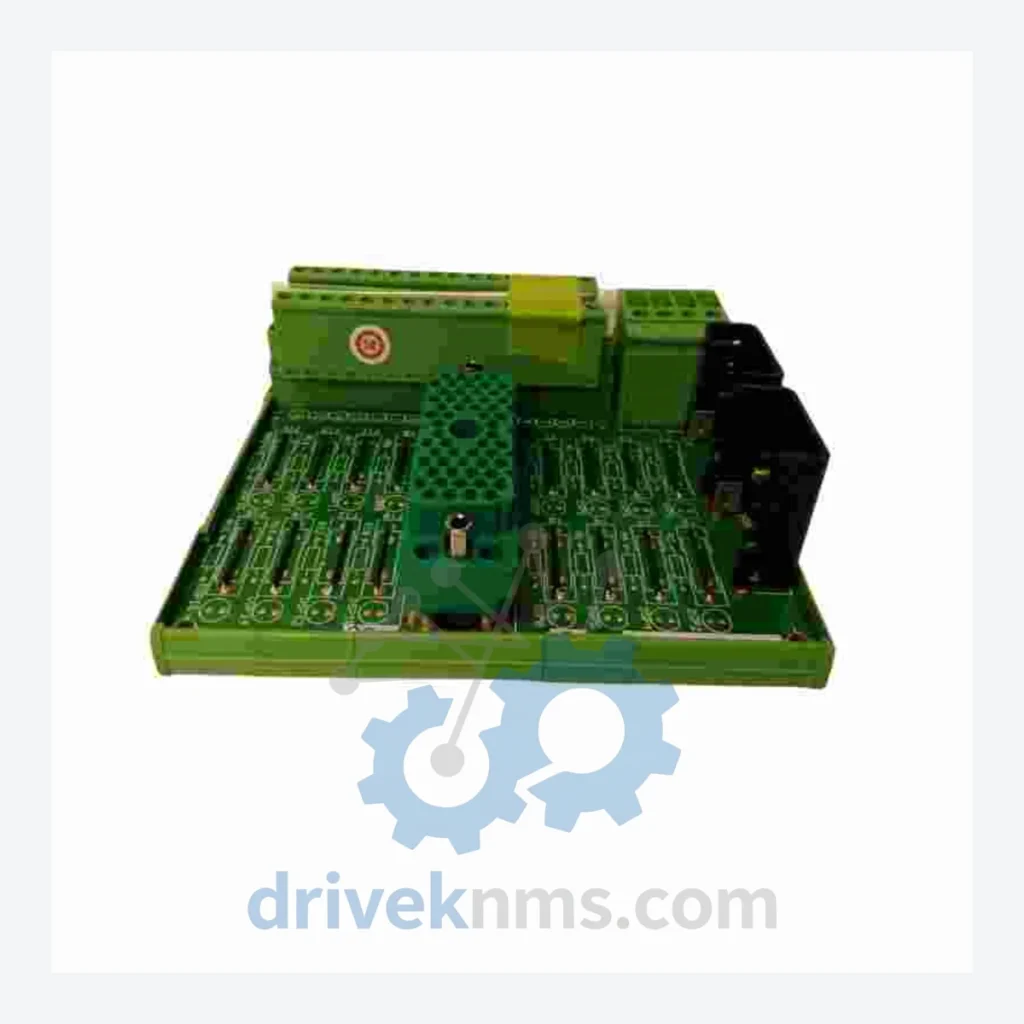
A Triconex 9662-610 Termination Board is not a commodity item. It is the physical wiring interface that connects field instrumentation to the Tricon Triple Modular Redundant (TMR) safety controller — a platform that has been the foundation of Safety Instrumented Systems (SIS) in oil & gas, petrochemical, LNG, and power generation facilities for over two decades. When this board fails and no verified replacement is available, the affected safety loop goes offline. In a TMR architecture, that is not a nuisance fault. It is a direct threat to the system's ability to perform its safety function.
RFQ support for obsolete parts: Send the model number, required quantity and destination so DriveKNMS can confirm sourcing options before quotation.
| Parameter | Detail |
|---|---|
| Part Number | 9662-610 |
| Manufacturer | Triconex (Schneider Electric) |
| Series | Tricon |
| Product Type | Termination Board |
| Compatible Platform | Triconex Tricon Safety System (TMR SIS) |
| Country of Origin | United States |
| Lifecycle Status | Discontinued / Obsolete – No Longer Manufactured |
| Typical Application | Field wiring termination for Tricon I/O modules in SIS environments |
Q: How are RFQ terms confirmed?
A: Quantity, required condition, documentation needs, destination and sourcing route are confirmed during RFQ review before quotation.
The Triconex Tricon platform remains installed across hundreds of operating facilities worldwide. Schneider Electric has progressively shifted its safety portfolio toward the Tricon CX and Tricon X platforms, and original manufacturing of legacy Tricon components — including the 9662-610 — has ceased. The installed base has not disappeared. The supply chain supporting it has.
The 9662-610 Termination Board is a passive interface component. It does not contain programmable logic. It does not store the safety application. It is, however, the physical connection point between field wiring and the Tricon I/O subsystem. Without a functional unit in place, the associated I/O module cannot communicate with the process. That safety loop is lost.
How to extend the operational life of a Tricon-based SIS by 5 to 10 years — a practical framework for plant management:
The decision to extend rather than replace a legacy safety system is not a failure of capital planning. It is a risk-adjusted asset protection strategy. The following conditions make a 5-to-10-year extension defensible and cost-effective:
1. Confirm continued SIL compliance through documented proof testing. The Tricon TMR architecture is inherently fault-tolerant. Provided that periodic proof testing confirms the system continues to meet its required Safety Integrity Level, the platform remains fit for purpose regardless of its age. Engage a qualified functional safety engineer to review and document this on a defined cycle.
3. Establish a long-term support agreement with a qualified integrator. Original equipment manufacturer support for legacy Tricon hardware is limited. A systems integrator with documented Tricon experience can provide ongoing configuration management, proof test execution, and emergency response. This is not optional for a system operating in a safety-critical role.
4. Document the system configuration and application program. Ensure that the current safety application program, system configuration, and as-built wiring documentation are stored in a controlled, accessible location. Loss of this documentation is a common and avoidable risk in aging systems.
5. Plan the migration on your schedule, not the market's. A Tricon-to-Tricon CX or Tricon X migration project requires 18 to 36 months of engineering, testing, and validation. Facilities that begin planning while the legacy system is still operational retain control of the timeline and budget. Facilities that begin planning after a critical failure do not. Sourcing a verified 9662-610 from DriveKNMS today buys the time needed to execute that migration on a controlled schedule.
All 9662-610 units supplied by DriveKNMS pass a structured 5-step quality process before dispatch review:
Q: How is condition confirmed before quotation?
A: Available condition, photos, test records and documentation are checked according to the requested model and sourcing channel before a formal RFQ response.
How do I know the unit is genuine and not a counterfeit or misrepresented part?
All units are sourced through documented supply channels. Physical markings, revision labels, and construction details are cross-referenced against known-good reference units. We do not supply units that cannot be verified. If additional traceability documentation is required, contact us before ordering.
Q: Can you support multi-unit or repeat RFQ requests?
A: Yes. Send the model list, target quantity and destination so DRIVEKNMS can review sourcing options and quote the requirement as a project RFQ.
Can you source other Triconex Tricon spare parts?
Yes. DriveKNMS specializes in obsolete and hard-to-find industrial automation components across the Triconex Tricon, Trident, and Tri-GP product lines, as well as other legacy safety and control platforms. Submit your full bill of materials for a consolidated quotation.
Continue The Model Path
Move from this exact model into the matching system hub, brand archive, model-family archive or lifecycle sourcing route before sending a final RFQ list.
Related Paths
Triconex CM3201S2 is listed for Tricon RFQ review. Confirm quantity, condition and destination before quotation.
Triconex PI3381 is listed for Tricon RFQ review. Confirm quantity, condition and destination before quotation.
Triconex 7400221-100 is listed for Tricon RFQ review. Confirm quantity, condition and destination before quotation.