
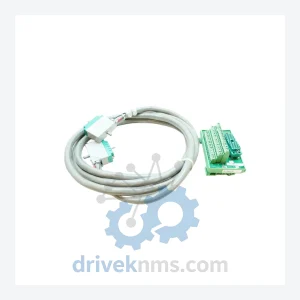
TRICONEX 4000103-510 Cable Assembly – Tricon Safety System
Triconex 4000103-510 is listed for Tricon RFQ review. Confirm quantity, condition and destination before quotation.
RFQ-ready industrial model
Model: AO 3481
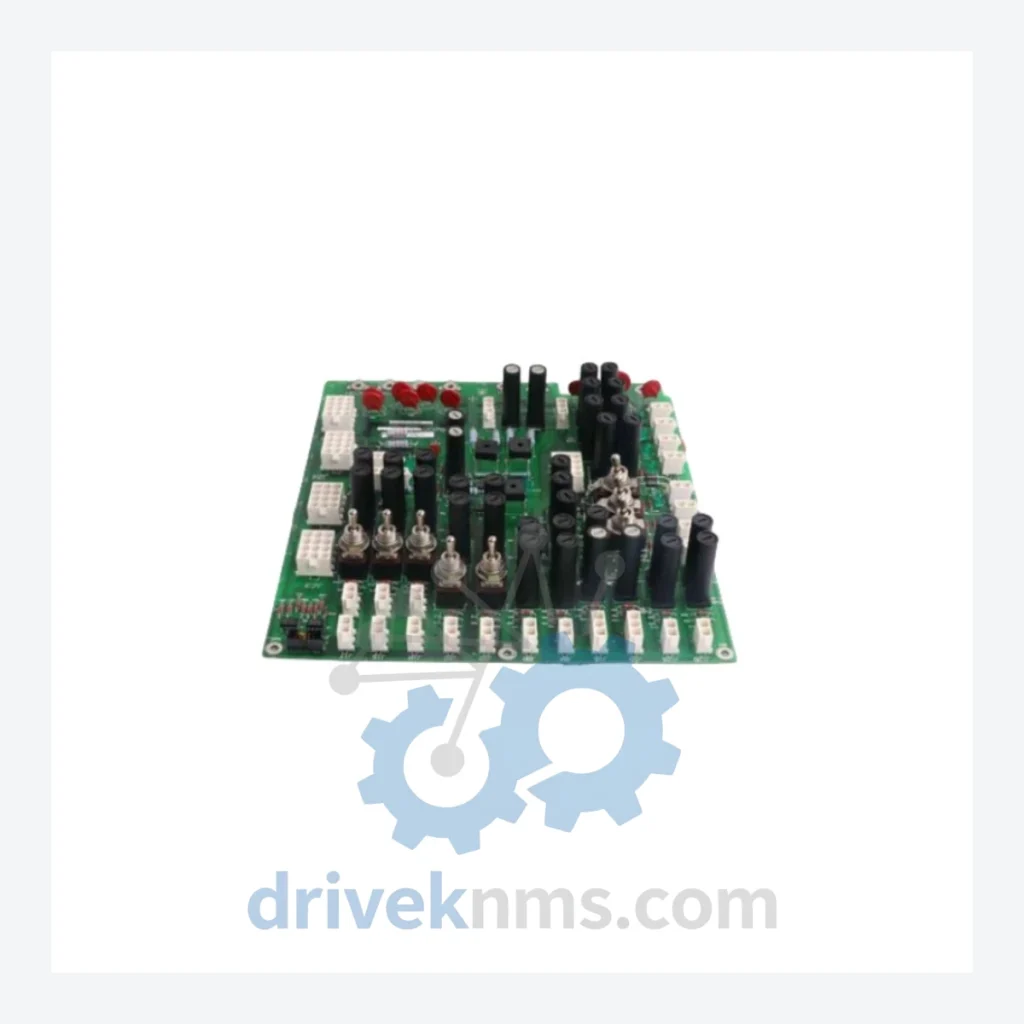
Product Overview
Commercial availability is handled through direct RFQ, model verification and export-oriented follow-up rather than public cart checkout.
Datasheet Preview
Use attached product manuals when available. If the manual is not public yet, request the full file directly through RFQ.
Commercial Path
Product pages on DRIVEKNMS are designed to verify model, brand and series first, then move the buyer into one clean quotation path.
Technical Dossier
The Triconex Triple Modular Redundancy (TMR) platform is one of the most widely deployed Safety Instrumented System (SIS) architectures in global heavy industry. Installed across petrochemical complexes, nuclear power stations, offshore platforms, LNG terminals, and refinery process units, the TMR series operates on a 2-out-of-3 voting logic architecture that provides fault tolerance without process shutdown. The AO 3481 is a core analog output module within this platform, delivering 8-channel, 4–20 mA current loop output with triple-redundant signal paths. Its deployment spans ESD (Emergency Shutdown), F&G (Fire & Gas), and turbine control applications where output signal integrity is non-negotiable.
The Triconex TMR platform was introduced in the 1980s by Triconex Corporation (later acquired by Invensys, then Schneider Electric). The architecture evolved through several generations:
Generation 1 (3000 Series, 1980s–1990s): The original TMR chassis used parallel backplane buses with discrete I/O modules. Early analog output modules such as the AO 3481 established the 8-channel, 4–20 mA standard that persists across the product line. Compatibility was limited to the 3000-series chassis and Tricon v9.x firmware.
Generation 2 (3006/3008 Main Processors, 1990s–2000s): Introduction of the 3006 and 3008 MP modules expanded processing throughput. I/O modules from this era, including the AO 3481, remained backward-compatible with the original backplane pinout, enabling mixed-generation deployments common in brownfield refinery upgrades.
Q: How are RFQ terms confirmed?
A: Quantity, required condition, documentation needs, destination and sourcing route are confirmed during RFQ review before quotation.
The following SKUs represent verified, commonly deployed modules within the Triconex TMR (Tricon) platform. Each entry reflects a distinct functional role within the system architecture.
Analog Output Modules
Analog Input Modules
Digital Output Modules
Digital Input Modules
Main Processor & Communication Modules
Power Supply Modules
The TMR architecture's 2-out-of-3 voting logic means that a module with a latent fault — one that passes basic power-on tests but fails under process load — can degrade system safety integrity without triggering an immediate alarm. DriveKNMS applies a multi-stage test protocol specifically designed for TMR I/O modules:
Continue The Model Path
Move from this exact model into the matching system hub, brand archive, model-family archive or lifecycle sourcing route before sending a final RFQ list.
Related Paths
Triconex 4000103-510 is listed for Tricon RFQ review. Confirm quantity, condition and destination before quotation.
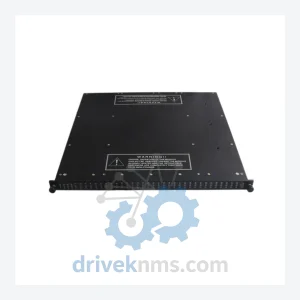
Triconex 9760-210 is listed for Tricon RFQ review. Confirm quantity, condition and destination before quotation.
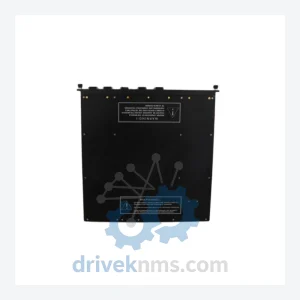
Triconex 9662-110 is listed for Tricon RFQ review. Confirm quantity, condition and destination before quotation.