
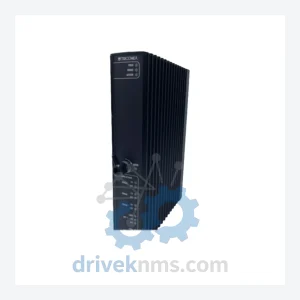
Triconex Tricon CX Series Modules: CM3201S2 CPU Module
Triconex CM3201S2 is listed for Tricon RFQ review. Confirm quantity, condition and destination before quotation.
RFQ-ready industrial model
Model: DI 3301
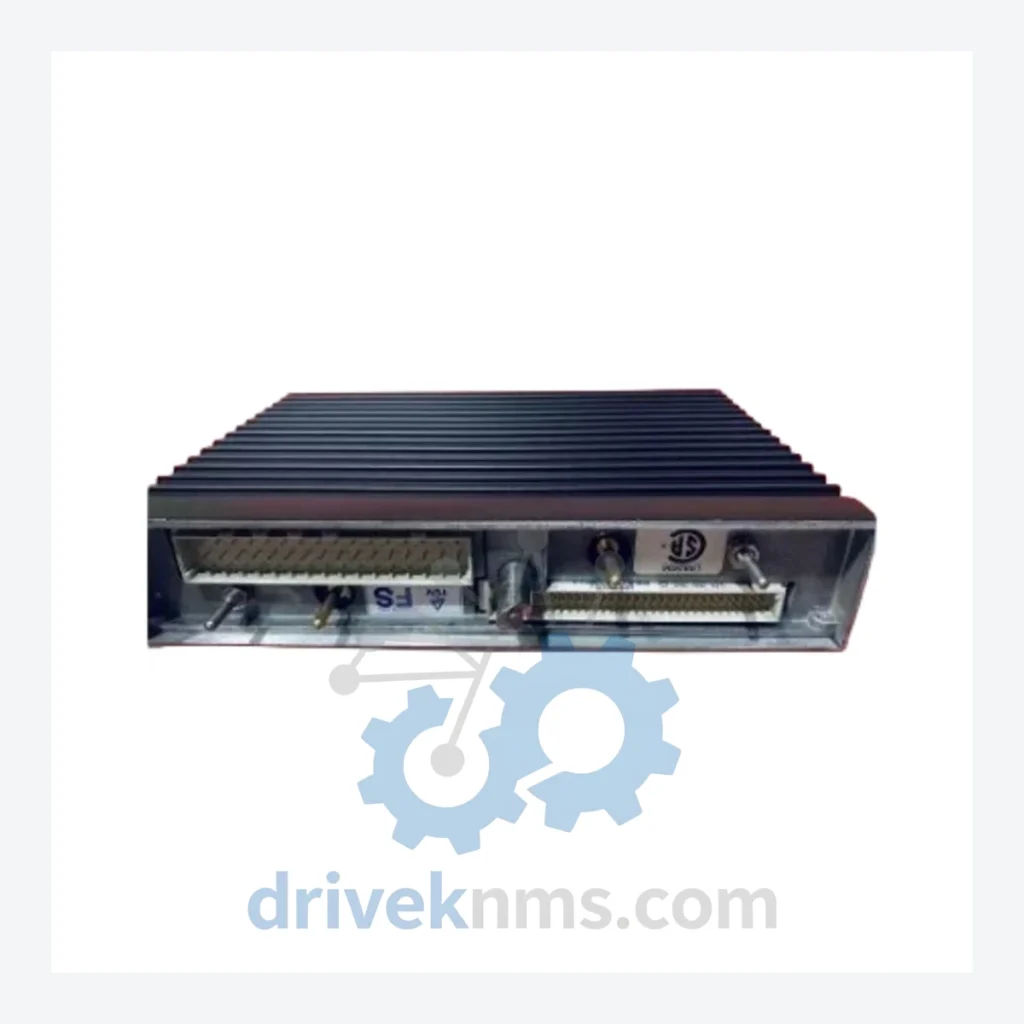
Product Overview
Commercial availability is handled through direct RFQ, model verification and export-oriented follow-up rather than public cart checkout.
Datasheet Preview
Use attached product manuals when available. If the manual is not public yet, request the full file directly through RFQ.
Commercial Path
Product pages on DRIVEKNMS are designed to verify model, brand and series first, then move the buyer into one clean quotation path.
Technical Dossier
DriveKNMS reviews sourcing options for this model during RFQ handling before quotation.
RFQ support for obsolete parts: Send the model number, required quantity and destination so DriveKNMS can confirm sourcing options before quotation.
| Part Number | DI 3301 |
| Manufacturer | Triconex (Schneider Electric) |
| Module Type | Digital Input Module |
| Compatible System | Tricon TMR (Triple Modular Redundancy) Safety Controller |
| Series | Tricon 3000 Series |
| OEM Discontinuation Status | Discontinued / Obsolete – No active production |
| Country of Origin | United States |
| Condition Available | New surplus / Professionally refurbished |
Note: Electrical parameters such as input voltage range, channel count, and isolation specifications are model-specific. Contact us for verified datasheet documentation prior to installation.
The Triconex Tricon TMR platform was engineered for the highest tier of functional safety — SIL 3 rated, fault-tolerant, and designed for decades of continuous operation in critical infrastructure. That longevity is precisely what creates the obsolescence problem. Plants that commissioned Tricon systems in the 1990s and 2000s are now operating hardware that the OEM no longer supports with new production.
The DI 3301 digital input module sits at the field interface layer of the Tricon chassis. It receives discrete on/off signals from field instruments — emergency shutdown valves, pressure switches, flame detectors — and passes them through the TMR voting logic. There is no functionally equivalent drop-in replacement from current Triconex product lines without chassis-level modifications and re-engineering of the I/O mapping. For a plant running a certified safety instrumented function (SIF), that re-engineering triggers a full Management of Change (MOC) process, re-validation, and in many jurisdictions, regulatory re-approval.
The practical consequence: a failed DI 3301 with no spare on hand forces a choice between operating in a degraded safety state (a compliance and liability risk) or initiating an emergency system replacement project at maximum cost and minimum planning time. Neither outcome is acceptable for a responsible asset owner.
Sourcing a discontinued module from the secondary market carries legitimate technical risk. DriveKNMS applies a structured 5-step qualification process to every DI 3301 unit before it is offered for sale:
Step 1 – Visual and Mechanical Inspection: Full board inspection for physical damage, connector pin condition, and evidence of prior field installation stress. Units with bent pins, cracked PCB traces, or evidence of thermal events are rejected at this stage.
Step 2 – Electrolytic Capacitor Assessment: Aged electrolytic capacitors are the primary failure mode in legacy I/O modules. Each unit is assessed for capacitor bulging, leakage, and ESR deviation. Where degradation is confirmed, capacitors are replaced with specification-matched components.
Step 3 – Firmware and Label Verification: The hardware revision marking and any accessible firmware identifiers are cross-referenced against known Triconex revision history to confirm the unit matches the specified revision level. Mismatched or unverifiable revision units are not offered as direct replacements.
Step 4 – Pin and Connector Integrity: Backplane connector pins are inspected under magnification for corrosion, oxidation, and mechanical deformation. Contact surfaces are cleaned and verified against OEM connector specifications.
Step 5 – Functional Verification: Where test infrastructure permits, modules undergo powered functional checks. Units that cannot be functionally verified are clearly identified as untested and priced accordingly.
The DI 3301 is a direct chassis-slot replacement for the Tricon 3000 series. Installation does not require reprogramming of the Tricon application logic, modification of the TriStation configuration, or changes to the I/O map — provided the replacement unit matches the installed hardware revision. This drop-in compatibility is the defining advantage of like-for-like spare part replacement versus any migration path.
How do I confirm the unit is new or properly refurbished?
Each unit shipped by DriveKNMS is accompanied by a condition report documenting the inspection steps completed and the outcome of each. New surplus units are identified as such with original packaging where available. Refurbished units are identified with the specific remediation work performed.
Should I purchase more than one unit?
For any Tricon system where the DI 3301 is installed in a critical SIF loop, holding a minimum of two spare units is the standard recommendation from industrial spare parts management practice. Given the confirmed discontinued status of this module, the secondary market supply will not recover. current sourcing status should be treated as a finite and diminishing resource. Procurement decisions made today directly determine the options available during the next unplanned failure event.
Continue The Model Path
Move from this exact model into the matching system hub, brand archive, model-family archive or lifecycle sourcing route before sending a final RFQ list.
Related Paths
Triconex CM3201S2 is listed for Tricon RFQ review. Confirm quantity, condition and destination before quotation.
Triconex PI3381 is listed for Tricon RFQ review. Confirm quantity, condition and destination before quotation.
Triconex 7400221-100 is listed for Tricon RFQ review. Confirm quantity, condition and destination before quotation.