
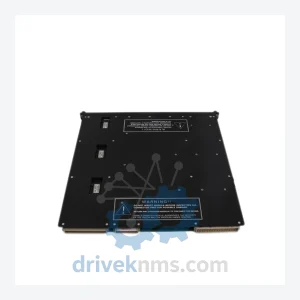
TRICONEX Tricon Series Modules – 3805E Analog Output Module 8PT TMR 4-20mA DC
Triconex 3805E is listed for Tricon RFQ review. Confirm quantity, condition and destination before quotation.
RFQ-ready industrial model
Model: EMPII 3006
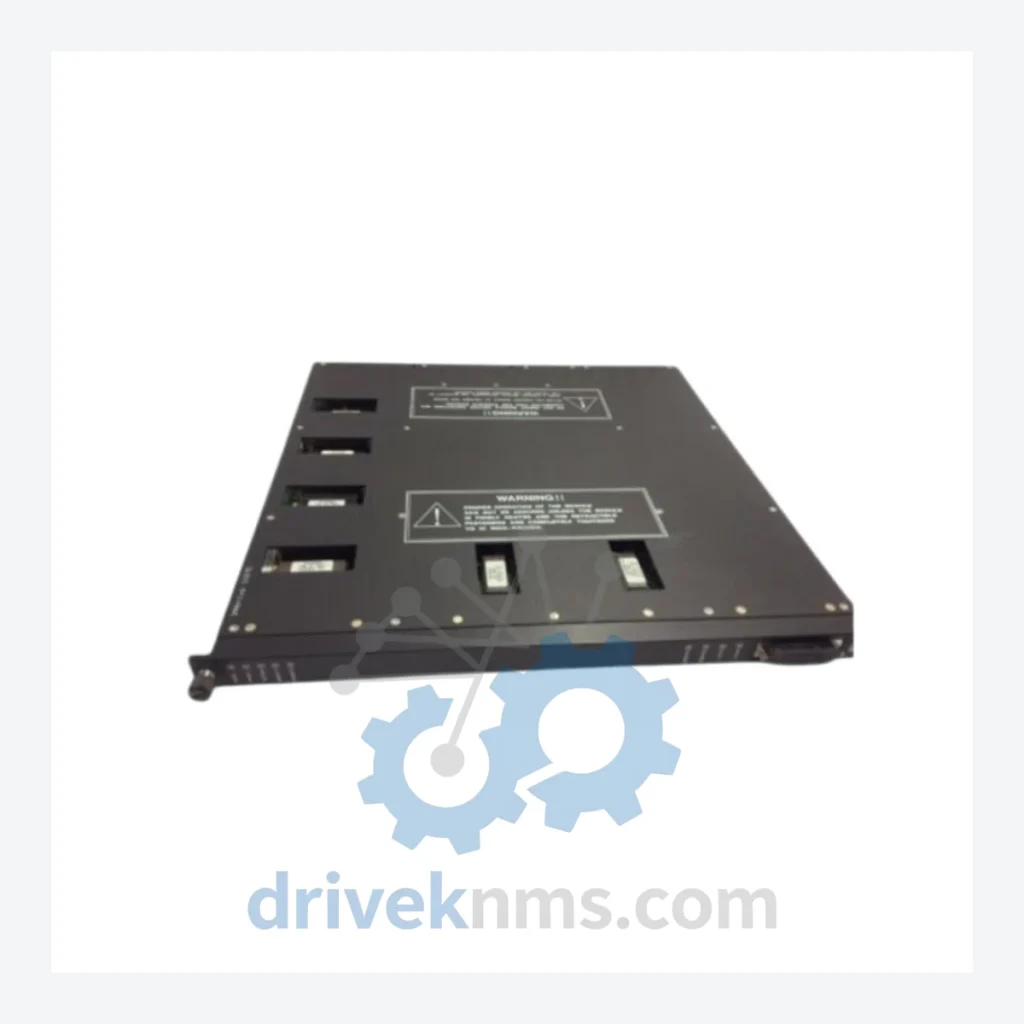
Product Overview
Commercial availability is handled through direct RFQ, model verification and export-oriented follow-up rather than public cart checkout.
Datasheet Preview
Use attached product manuals when available. If the manual is not public yet, request the full file directly through RFQ.
Commercial Path
Product pages on DRIVEKNMS are designed to verify model, brand and series first, then move the buyer into one clean quotation path.
Technical Dossier
The Triconex Enhanced Programmable Module II (EMPII) series represents a critical control platform deployed across global heavy industry, including petrochemical refineries, nuclear power stations, offshore oil & gas platforms, and large-scale chemical processing facilities. The EMPII architecture is built on Triconex's Triple Modular Redundancy (TMR) principle, in which three independent processing channels execute identical logic simultaneously and a two-out-of-three (2oo3) voting mechanism arbitrates outputs. This design eliminates single points of failure and satisfies IEC 61508 SIL 3 and IEC 61511 requirements for safety instrumented systems (SIS). The EMPII 3006 main processor module is the computational core of this platform, coordinating I/O scanning, safety logic execution, and inter-chassis communication. Installed base counts for the EMPII series run into the tens of thousands of chassis worldwide, making long-term spare parts availability a primary operational concern for plant asset managers.
Triconex (now a Schneider Electric brand) introduced the original Tricon platform in the 1980s as one of the first commercially available TMR safety controllers. The EMPII generation succeeded the earlier MP (Main Processor) and EMP (Enhanced Main Processor) modules, delivering higher scan rates, expanded memory, and improved diagnostics. Key architectural milestones include the transition from parallel backplane buses to high-speed serial inter-module communication, the introduction of on-board diagnostics capable of detecting latent faults without process interruption, and the expansion of the I/O chassis to support up to 64 I/O modules per main chassis. The EMPII 3006 operates within the Tricon v9 and v10 system firmware environments. Compatibility constraints are significant: EMPII modules are not interchangeable with the later Tricon CX (TCX) or TriStation 1131 v4.x platforms without a formal system upgrade. Plants running EMPII-based systems must maintain a dedicated spare pool, as cross-generation substitution is not supported. The series entered its mature/end-of-active-production phase, and Schneider Electric has transitioned new project recommendations to the Tricon CX platform. However, the EMPII installed base remains operational at thousands of sites, and lifecycle extension support — including tested surplus and refurbished modules — is the primary procurement strategy for maintenance teams.
The following SKUs represent verified, commonly sourced modules within the Triconex EMPII and associated Tricon v9/v10 ecosystem. Each entry reflects a distinct hardware function within the TMR architecture.
Main Processors & Controllers
Digital Input (DI) Modules
Digital Output (DO) Modules
Analog Input (AI) Modules
Analog Output (AO) Modules
Communication & Network Modules
Power Supply Modules
The EMPII platform's TMR backplane architecture introduces specific testing requirements that differ from standard single-channel PLC modules. Each EMPII module contains three independent processing legs that must be verified individually and in arbitration. DriveKNMS applies the following test protocol to all EMPII modules prior to dispatch:
Continue The Model Path
Move from this exact model into the matching system hub, brand archive, model-family archive or lifecycle sourcing route before sending a final RFQ list.
Related Paths
Triconex 3805E is listed for Tricon RFQ review. Confirm quantity, condition and destination before quotation.
Triconex 9662-610 is listed for Tricon RFQ review. Confirm quantity, condition and destination before quotation.
Triconex 4119A is listed for Tricon RFQ review. Confirm quantity, condition and destination before quotation.