
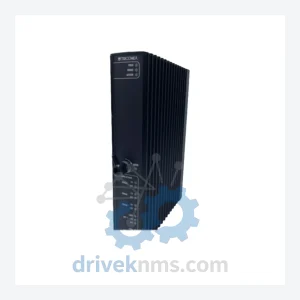
Triconex Tricon CX Series Modules: CM3201S2 CPU Module
Triconex CM3201S2 is listed for Tricon RFQ review. Confirm quantity, condition and destination before quotation.
RFQ-ready industrial model
Model: RO 3451S2
Product Overview
Commercial availability is handled through direct RFQ, model verification and export-oriented follow-up rather than public cart checkout.
Datasheet Preview
Use attached product manuals when available. If the manual is not public yet, request the full file directly through RFQ.
Commercial Path
Product pages on DRIVEKNMS are designed to verify model, brand and series first, then move the buyer into one clean quotation path.
Technical Dossier
RFQ support for obsolete parts: Send the model number, required quantity and destination so DriveKNMS can confirm sourcing options before quotation.
| Attribute | Detail |
|---|---|
| Part Number | RO 3451S2 |
| Manufacturer | Triconex (Schneider Electric) |
| Series | Tricon |
| Module Type | Communication Module |
| Product Status | Discontinued / Obsolete |
| Country of Origin | United States |
| Compatible Platform | Triconex Tricon Safety System (TMR Architecture) |
| Typical Application | Safety Instrumented Systems (SIS), Emergency Shutdown (ESD), Fire & Gas (F&G) |
Note: Electrical parameters not listed here are not confirmed from verified datasheets. DriveKNMS does not publish unverified specifications. Contact us for detailed technical documentation.
The Triconex Tricon platform, built on Triple Modular Redundant (TMR) architecture, was engineered for decades of continuous operation in the most demanding process safety environments — oil & gas, petrochemical, nuclear, and power generation. Its design philosophy prioritized fault tolerance over upgrade cycles, which means many facilities are still running Tricon-based SIS installations that are 15 to 25 years old.
The RO 3451S2 communication module sits at a critical junction within this architecture. Its role in inter-module and inter-chassis communication means that a failure here does not degrade gracefully — it threatens the integrity of the entire safety loop. Triconex no longer manufactures or supports this module under standard service agreements, and authorized channel inventory has been exhausted for years.
For plant managers and reliability engineers, the strategic calculus is straightforward: the cost of sourcing and holding one or two verified spare RO 3451S2 units is measured in thousands of dollars. The cost of an unplanned SIS failure or a forced system migration is measured in millions — plus the regulatory and liability exposure that follows a safety system outage.
Extending the operational life of a Tricon installation by 5 to 10 years through targeted spare parts procurement is not a workaround. It is a recognized asset management strategy. Key elements of that strategy include: maintaining a bill of materials for all obsolete modules currently installed, identifying single points of failure within the TMR architecture where no redundancy exists at the module level, establishing a vetted supplier relationship for hard-to-find components before a failure event occurs, and scheduling proactive module health checks during planned turnarounds rather than waiting for in-service failures. The RO 3451S2 should appear on every Tricon site's critical spare list.
Sourcing an obsolete module from the secondary market carries inherent risk. DriveKNMS applies a structured 5-step inspection protocol to every RO 3451S2 unit before it is offered for sale.
Step 1 – Visual and Mechanical Inspection: Full board examination for physical damage, burn marks, cracked solder joints, and connector pin integrity. Units with any structural compromise are rejected at this stage.
Step 2 – Electrolytic Capacitor Assessment: Aged electrolytic capacitors are the most common failure mode in modules of this vintage. Each unit is inspected for capacitor bulging, electrolyte leakage, and ESR deviation. Suspect capacitors are flagged and the unit is quarantined.
Step 3 – Firmware Version Verification: Where accessible, firmware revision is documented and cross-referenced against known compatible versions for the Tricon platform. Mismatched or corrupted firmware is a disqualifying condition.
Step 4 – Pin and Connector Corrosion Check: Backplane connector pins are inspected under magnification for oxidation, corrosion, and mechanical deformation. Affected pins are cleaned or the unit is rejected depending on severity.
Units that pass all five stages are classified as Tested Surplus or Refurbished, clearly labeled, and shipped with full inspection documentation.
The RO 3451S2 is a direct hardware replacement for the same module position within the Tricon chassis. No re-engineering of the safety logic, no PLC reprogramming, and no modification to the existing I/O mapping is required. The module slots into the existing backplane and resumes its communication function within the established system architecture.
For facilities operating under tight capital budgets, the RO 3451S2 spare parts strategy delivers maximum asset protection at minimum engineering cost.
Should I buy more than one unit?
For any Tricon installation where the RO 3451S2 is installed in a non-redundant position, holding a minimum of one cold spare is strongly recommended. For critical continuous-process facilities, two spares is the defensible standard. Given the scarcity of this module on the secondary market, procurement decisions should not be deferred until a failure event occurs.
Continue The Model Path
Move from this exact model into the matching system hub, brand archive, model-family archive or lifecycle sourcing route before sending a final RFQ list.
Related Paths
Triconex CM3201S2 is listed for Tricon RFQ review. Confirm quantity, condition and destination before quotation.
Triconex PI3381 is listed for Tricon RFQ review. Confirm quantity, condition and destination before quotation.
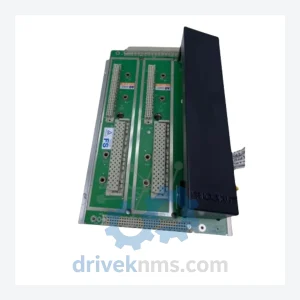
Triconex 7400221-100 is listed for Tricon RFQ review. Confirm quantity, condition and destination before quotation.