
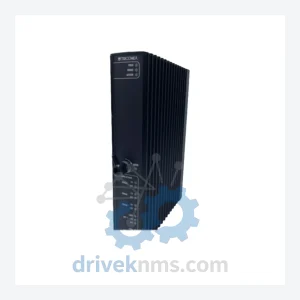
Triconex Tricon CX Series Modules: CM3201S2 CPU Module
Triconex CM3201S2 is listed for Tricon RFQ review. Confirm quantity, condition and destination before quotation.
RFQ-ready industrial model
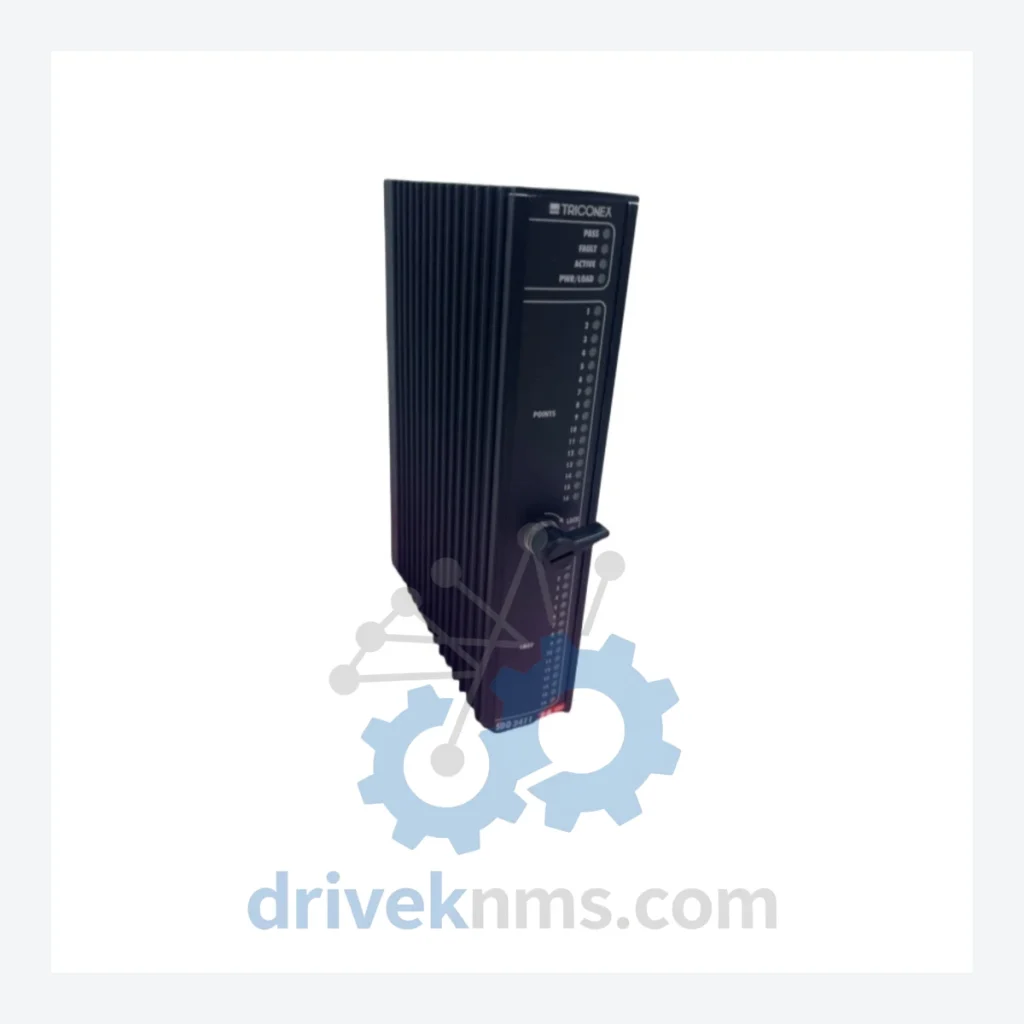
Model: SDO3411 S2
Product Overview
Commercial availability is handled through direct RFQ, model verification and export-oriented follow-up rather than public cart checkout.
Datasheet Preview
Use attached product manuals when available. If the manual is not public yet, request the full file directly through RFQ.
Commercial Path
Product pages on DRIVEKNMS are designed to verify model, brand and series first, then move the buyer into one clean quotation path.
Technical Dossier
The Triconex Tricon platform is a Triple Modular Redundant (TMR) Safety Instrumented System (SIS) deployed across the most demanding process industries globally — including petrochemical refineries, offshore oil & gas platforms, nuclear power generation facilities, and LNG terminals. The SDO3411 S2 is a 32-channel digital output module designed for use within the Tricon chassis backplane, providing fail-safe discrete output control with hardware-enforced redundancy across all three processing legs. Its architecture ensures that a single-point failure in any leg does not compromise the safety function, making it a cornerstone component in Safety Integrity Level (SIL) 3 certified loops.
The Tricon system has accumulated decades of installed base across Fortune 500 energy operators and state-owned utilities. Replacement and lifecycle support for modules such as the SDO3411 S2 remains a critical operational requirement for plants running extended asset lifecycles beyond the original OEM support window.
The Triconex Tricon architecture was introduced in the 1980s as one of the first commercially available TMR programmable safety controllers. The platform evolved through several hardware generations:
Generation 1 (Tricon v1–v3): Original backplane with proprietary TriBus communication. Limited I/O density. Modules from this era are now fully obsolete with no OEM support.
Generation 2 (Tricon v4–v9): Expanded I/O module catalog, introduction of the Main Processor (MP) series, and support for Triconex TriStation 1131 programming environment. The SDO3411 S2 belongs to this generation family. Modules are in the mature/end-of-life phase — OEM spare parts availability is constrained.
Generation 3 (Tricon CX): Current-generation platform with enhanced cybersecurity features (IEC 62443 alignment), higher I/O density, and Ethernet-based communication. Not backward-compatible with Generation 2 backplanes at the module level, creating a hard migration boundary for existing installations.
Plants operating Generation 2 Tricon systems face a binary choice: full system migration to Tricon CX (capital-intensive, requires re-validation) or lifecycle extension through third-party spare parts sourcing. The latter is the dominant strategy for brownfield facilities with remaining asset life of 5–15 years.
Digital Output Modules
Digital Input Modules
Analog Input Modules
Analog Output Modules
Main Processor & Communication Modules
Power Supply Modules
Triconex Generation 2 modules, including the SDO3411 S2, are classified as end-of-life by Schneider Electric (current OEM owner of the Triconex brand). OEM factory repair and new-unit supply for this module has been discontinued. The installed base, however, remains operational at hundreds of facilities worldwide, creating sustained demand for independently sourced spare parts.
Tricon modules present specific test challenges due to their TMR backplane architecture. A module that passes single-leg functional tests may still exhibit inter-leg synchronization faults that only manifest under live TMR bus conditions. DriveKNMS applies the following test protocol to all Tricon modules including the SDO3411 S2:
Continue The Model Path
Move from this exact model into the matching system hub, brand archive, model-family archive or lifecycle sourcing route before sending a final RFQ list.
Related Paths
Triconex CM3201S2 is listed for Tricon RFQ review. Confirm quantity, condition and destination before quotation.
Triconex DO 3401S2 is listed for Tricon RFQ review. Confirm quantity, condition and destination before quotation.
Triconex 3721 is listed for Tricon RFQ review. Confirm quantity, condition and destination before quotation.