
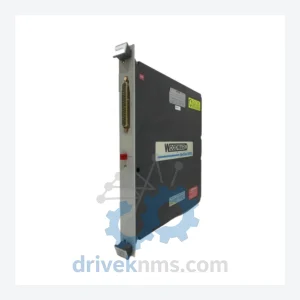
Woodward 5463 Series Modules – 5463-785 Input Module
Woodward 5463-785 is listed for PLC Modules RFQ review. Confirm quantity, condition and destination before quotation.
RFQ-ready industrial model
Model: V39624
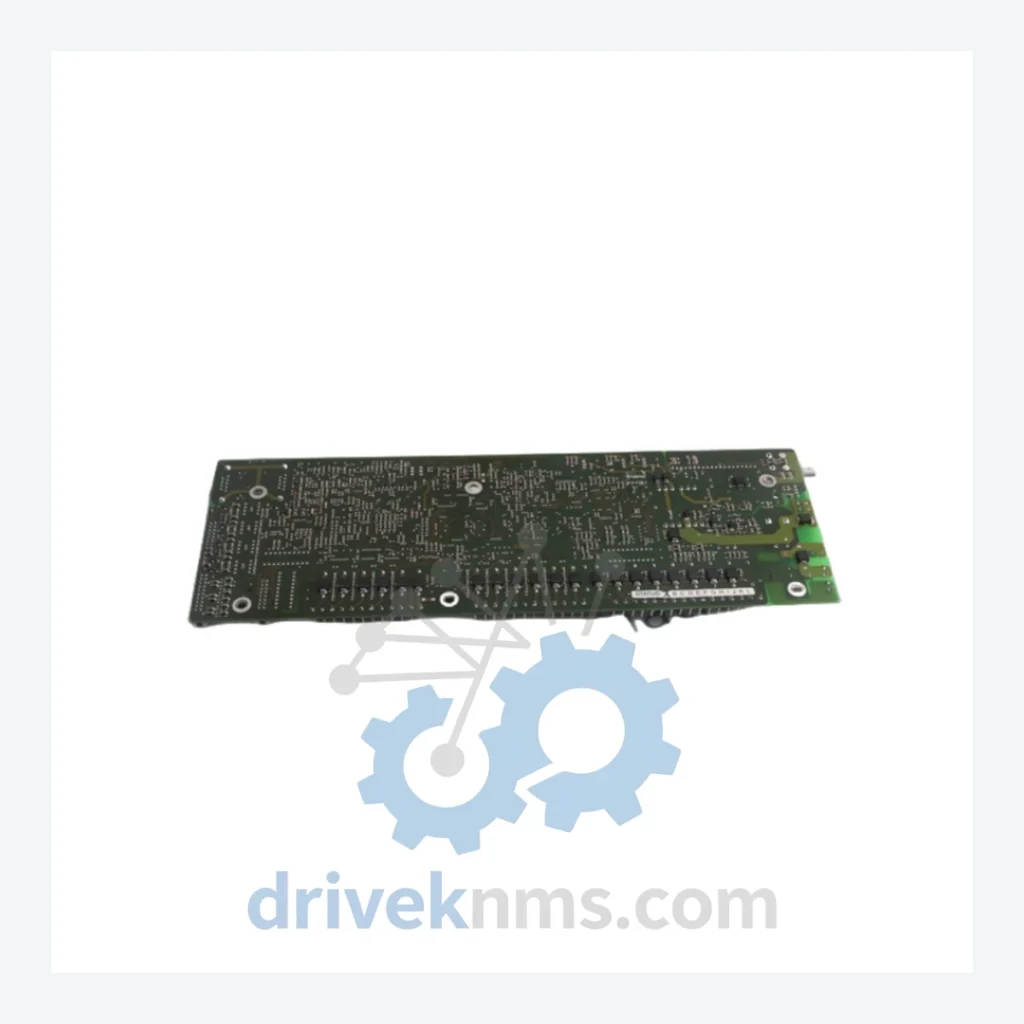
Product Overview
Commercial availability is handled through direct RFQ, model verification and export-oriented follow-up rather than public cart checkout.
Datasheet Preview
Use attached product manuals when available. If the manual is not public yet, request the full file directly through RFQ.
Commercial Path
Product pages on DRIVEKNMS are designed to verify model, brand and series first, then move the buyer into one clean quotation path.
Technical Dossier
The Woodward V39624 is a programmable industrial governor and control module deployed across heavy-process industries including petrochemical refineries, nuclear power auxiliary systems, offshore platforms, and combined-cycle power generation facilities. Woodward's governor control architecture has maintained a dominant installed base in turbine and engine management applications globally, with the V39624 representing a mature, field-proven platform used in both OEM and retrofit configurations. Its deterministic control logic, robust analog/digital I/O handling, and compatibility with Woodward's proprietary communication protocols make it a critical spare part for facilities operating legacy turbine control systems.
Woodward's industrial controller lineage traces from early analog governor panels through the MicroNet and NetCon families, culminating in the digital programmable platforms of which the V39624 is a representative module. Early-generation Woodward governors (pre-1990) relied on discrete analog circuitry with limited programmability. The transition to microprocessor-based control in the 1990s introduced platforms such as the 505, 505E, and MicroNet series, enabling PID-based speed and load control with serial communication capability.
The following SKUs represent the core module range associated with the Woodward V39624 controller platform and its directly compatible ecosystem. Each module is classified by functional role:
Controller / CPU Modules
Analog Input / Output Modules
Digital Input / Output Modules
Communication / Network Adapter Modules
Power Supply Modules
Specialty / Expansion Modules
Each V39624 module processed by DriveKNMS undergoes a structured test protocol designed around the specific backplane architecture and bus communication requirements of the Woodward governor platform. Testing stages include: incoming visual inspection for physical damage, corrosion, and component integrity; powered functional test at rated voltage with load simulation on all analog and discrete I/O channels; serial communication verification using Woodward-compatible test harnesses to confirm Modbus RTU and proprietary protocol response; and thermal cycling for refurbished units to screen latent component failures.
Modules that pass all test stages are issued a DriveKNMS test certificate with channel-level pass/fail data. Units with repairable faults undergo component-level repair using OEM-equivalent parts before re-test. No module is shipped without a complete test record.
Continue The Model Path
Move from this exact model into the matching system hub, brand archive, model-family archive or lifecycle sourcing route before sending a final RFQ list.
Related Paths
Woodward 5463-785 is listed for PLC Modules RFQ review. Confirm quantity, condition and destination before quotation.
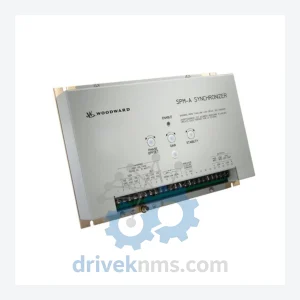
Woodward 9905-003 is listed for PLC Modules RFQ review. Confirm quantity, condition and destination before quotation.
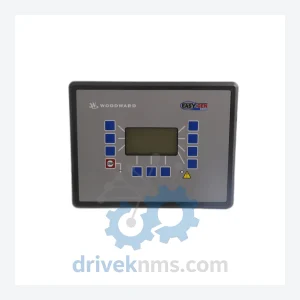
Woodward EASYGEN-2500-5 is listed for PLC Modules RFQ review. Confirm quantity, condition and destination before quotation.