Technical Dossier
Product Details And Specifications
Vibro-Meter MPC4 Series Technical Notes
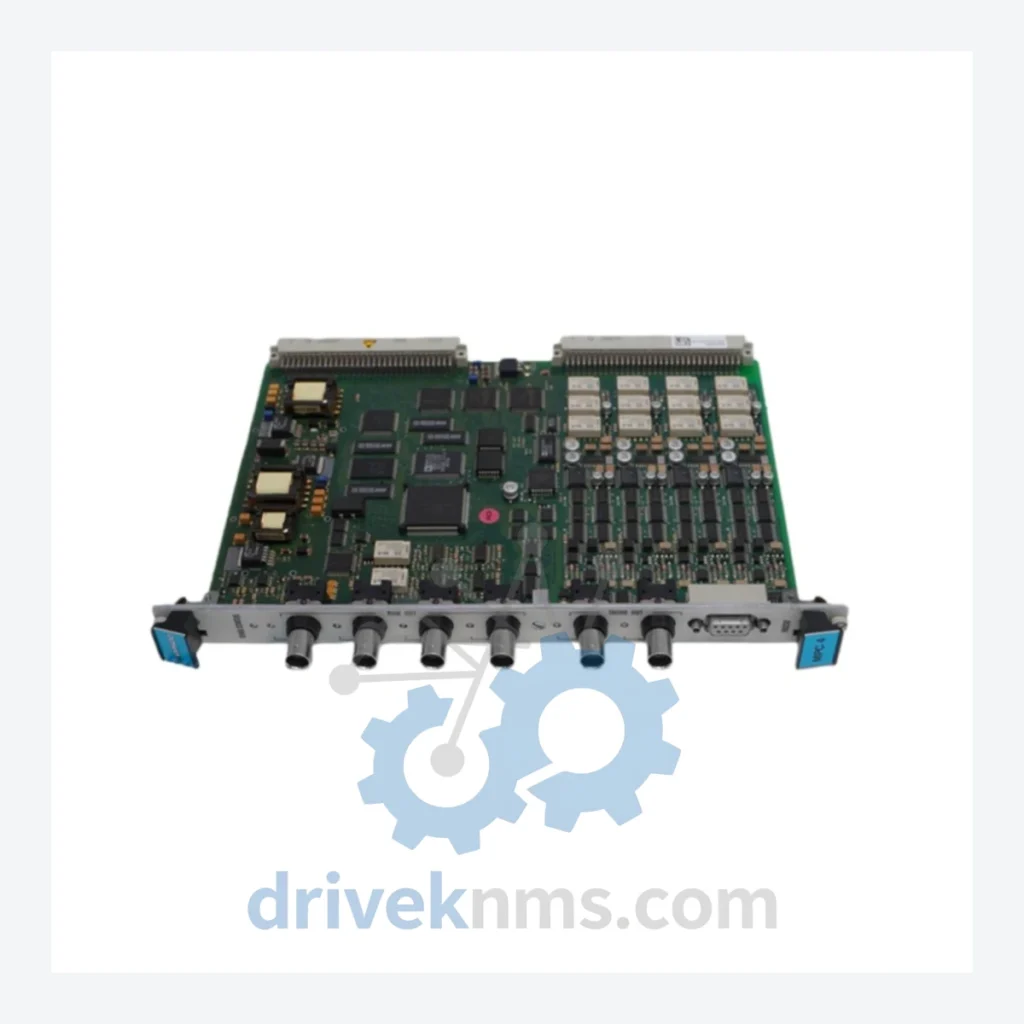
The Vibro-Meter MPC4 series is a line of Mechanical Protection Cards engineered for continuous machinery protection in heavy industrial environments. Manufactured by Vibro-Meter SA (Switzerland), these modules are deployed across critical rotating equipment monitoring systems in chemical plants, nuclear power stations, oil refineries, and offshore platforms worldwide. The MPC4 platform interfaces directly with proximity probes, velocity transducers, and accelerometers to provide real-time vibration, position, and speed monitoring with relay-based trip outputs. Its modular architecture allows integration into both standalone protection racks and distributed control system (DCS) backplanes, making it a standard reference in turbomachinery protection engineering.
The Evolution of MPC4 Architecture
The MPC4 designation covers a family of configurable mechanical protection cards developed by Vibro-Meter to replace earlier single-function analog protection relays. Early MPC4 variants used fixed-function analog signal conditioning with hardwired relay outputs, targeting turbine OEM protection panels from the 1980s and 1990s. Mid-generation variants introduced programmable threshold logic, dual-channel inputs, and ATEX-rated enclosure compatibility for hazardous area installations. Later configurations — identified by suffix codes such as SSS, 1Hh, and numeric range codes (e.g., 200-510) — define the measurement range, output relay configuration, and safety integrity level compliance. The MPC4 series reached its mature phase in the 2000s and is now in the sustained-support lifecycle stage. Vibro-Meter has transitioned new project specifications toward the VM600 platform, but MPC4 remains the installed base standard at thousands of sites globally. Backward compatibility between MPC4 sub-variants is limited by backplane connector pinout and firmware version; cross-referencing suffix codes is mandatory before substitution.
MPC4 Full Catalog & Functionalities (SKU List)
The following SKUs represent verified, commonly referenced MPC4 series part numbers. Each module is classified by primary function:
Mechanical Protection Cards (Core Measurement & Trip Modules)
- MPC4 200-510-SSS-1Hh: Dual-channel vibration protection card, 200–510 mV range, single relay trip output, standard rack mount.
- MPC4 200-510-SSS-2Hh: Dual-channel vibration card, 200–510 mV range, dual independent relay outputs for redundant trip logic.
- MPC4 200-510-DDD-1Hh: Differential vibration measurement variant, 200–510 mV, single trip relay, for shaft differential expansion monitoring.
- MPC4 200-510-DDD-2Hh: Differential vibration, dual relay output, used in steam turbine axial position protection loops.
- MPC4 100-1000-SSS-1Hh: Extended range single-channel card, 100–1000 mV, for high-amplitude vibration environments such as compressor trains.
- MPC4 100-1000-SSS-2Hh: Extended range, dual relay, high-amplitude vibration protection with independent alert and danger thresholds.
- MPC4 200-510-PPP-1Hh: Proximity probe input variant, eddy-current sensor compatible, single relay, shaft radial position monitoring.
- MPC4 200-510-PPP-2Hh: Proximity probe input, dual relay, for X-Y radial vibration protection on journal bearing machines.
- MPC4 200-510-VVV-1Hh: Velocity transducer input card, seismic velocity measurement, single trip relay, used on large frame gas turbines.
- MPC4 200-510-VVV-2Hh: Velocity transducer input, dual relay, for bearing housing vibration monitoring per ISO 10816.
- MPC4 200-510-AAA-1Hh: Accelerometer input variant, high-frequency vibration detection, single relay, gearbox and rolling element bearing protection.
- MPC4 200-510-AAA-2Hh: Accelerometer input, dual relay, for high-frequency structural vibration monitoring in compressor applications.
- MPC4 200-510-SSS-1Hh-EX: ATEX-certified variant of the standard SSS card, intrinsically safe input barriers integrated, for Zone 1 hazardous area installations.
- MPC4 200-510-PPP-1Hh-EX: ATEX proximity probe card, Zone 1 rated, for shaft monitoring in explosive atmosphere environments.
- MPC4 200-510-TTT-1Hh: Speed/tacho input card, magnetic pickup or proximity probe compatible, overspeed and underspeed trip relay output.
- MPC4 200-510-TTT-2Hh: Dual-relay speed protection card, independent overspeed and underspeed trip channels, used in steam and gas turbine governor backup systems.
- MPC4 200-510-SSS-1Hh-SIL: SIL 2-rated variant, functional safety certified per IEC 61508, for safety instrumented system (SIS) integration.