
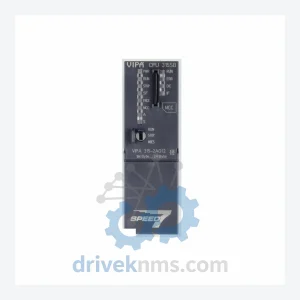
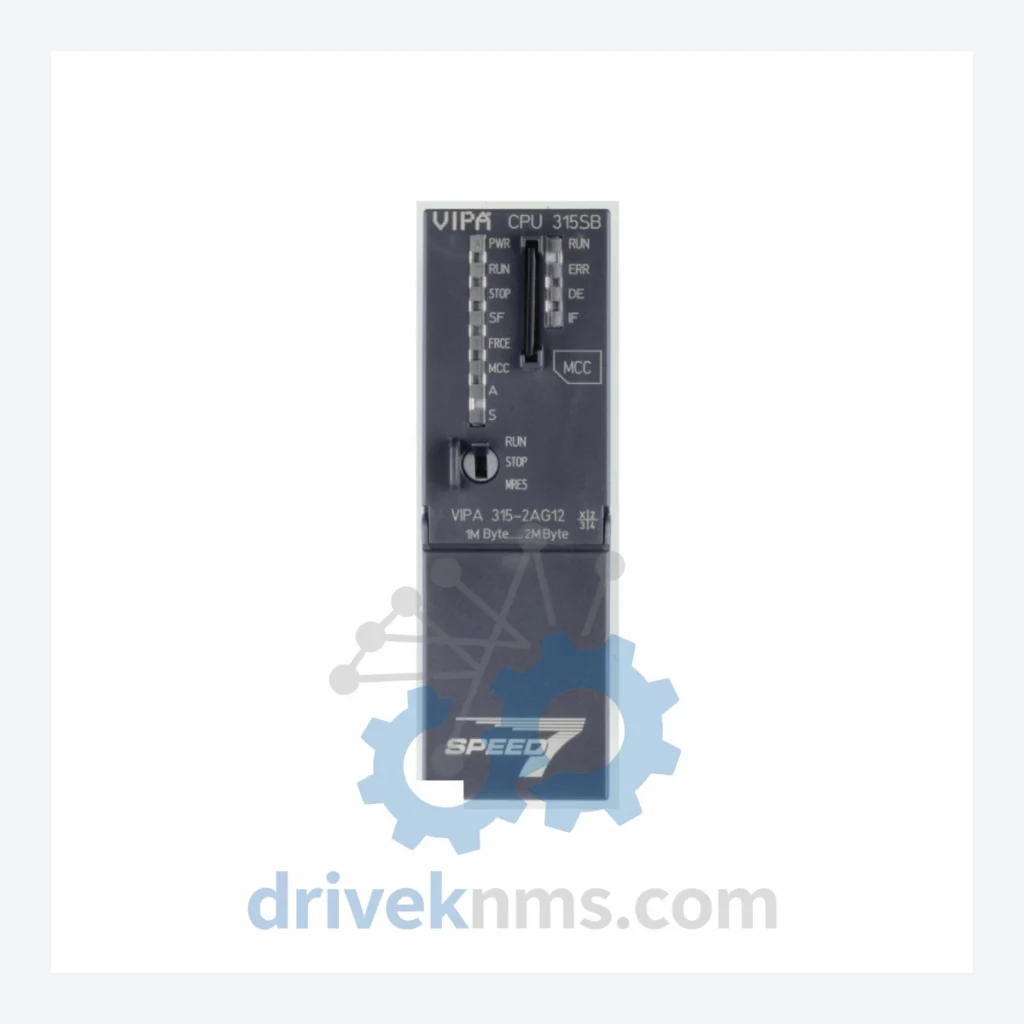
VIPA 315-2AG12 CPU 315SB/DPM Processor Module – SPEED7 Series
VIPA 315-2AG12 CPU 315SB/DPM: Sourcing Strategy & Asset Return Value in a Constrained Global Supply Chain The VIPA 315-2AG12 is…
Model: 315£2AG12
Product Overview
Commercial availability is handled through direct RFQ, model verification and export-oriented follow-up rather than public cart checkout.
Datasheet Preview
Use attached product manuals when available. If the manual is not public yet, request the full file directly through RFQ.
Commercial Path
Product pages on DRIVEKNMS are designed to verify model, brand and series first, then move the buyer into one clean quotation path.
Technical Dossier
The VIPA 315 Series represents one of the most widely deployed CPU families in the SPEED7 programmable logic controller platform. Engineered for demanding continuous-process environments, these modules are installed across global heavy industry sectors including petrochemical refineries, nuclear power auxiliary systems, offshore platforms, and large-scale chemical processing facilities. The 315 Series is fully compatible with Siemens S7-300 instruction sets and hardware form factors, enabling direct substitution in existing cabinets without mechanical or software re-engineering. Its SPEED7 core delivers execution speeds up to 30 times faster than comparable S7-300 CPUs, making it the preferred upgrade path for plants seeking performance gains without full system replacement. Installed base spans Europe, the Middle East, Southeast Asia, and Latin America, with documented deployments in facilities operated by major EPC contractors and national energy companies.
The VIPA 315 Series was introduced as part of the SPEED7 platform in the early 2000s, targeting the mid-range PLC segment dominated by Siemens S7-315 hardware. The initial release established binary S7-300 compatibility at the hardware and software level, allowing STEP 7 programming without modification. Subsequent revisions introduced integrated PROFIBUS-DP master/slave interfaces, eliminating the need for separate CP modules in distributed I/O architectures. Later generations added onboard Ethernet ports (IE variants), enabling direct integration with SCADA and MES layers via S7 communication and open TCP/IP protocols. The DP/M variants introduced dual-port memory and expanded work memory up to 512 KB, addressing the growing complexity of process programs in refinery and power generation applications. As the S7-300 platform entered its end-of-life phase (Siemens announced discontinuation effective October 2023), the VIPA 315 Series transitioned into a critical long-term maintenance role: providing pin-compatible, software-compatible replacements for facilities that cannot justify full migration to S7-1500 or TIA Portal architectures within their current maintenance cycles. Compatibility with existing GSD files, hardware configurations, and HW Config projects is maintained across all current 315 variants.
The following SKUs represent verified, commonly stocked models within the VIPA 315 Series. Models are classified by primary function.
CPU / Processor Modules
Communication / Interface Modules
I/O and Expansion Modules (315-compatible rack)
The VIPA 315 Series has entered a mature lifecycle phase. While VIPA (now Yaskawa Europe GmbH) continues to manufacture select variants, a significant portion of the installed base relies on models that have been superseded or discontinued. DriveKNMS maintains a dedicated inventory program for 315 Series lifecycle support, covering the following scenarios:
All sourced units are accompanied by full traceability documentation including origin records, test reports, and warranty certificates.
The VIPA 315 Series uses a proprietary SPEED7 backplane bus that operates at higher clock rates than standard S7-300 backplanes. This requires specialized test procedures beyond standard power-on verification:
© 2026 DriveKNMS. All trademarks belong to their respective owners. Specifications are for reference only and subject to change without notice. Verify all parameters against official documentation before installation.
Related Paths
VIPA 315-2AG12 CPU 315SB/DPM: Sourcing Strategy & Asset Return Value in a Constrained Global Supply Chain The VIPA 315-2AG12 is…
VIPA 314 Series: Comprehensive Module Range and Technical Overview The VIPA 314 Series represents a core product line within VIPA's…
VIPA 300S Speed7 Series: Comprehensive Module Range and Technical Overview The VIPA 300S Speed7 series represents one of the most…