
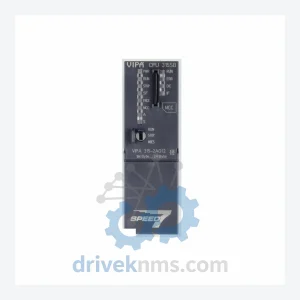
VIPA 315-2AG12 CPU 315SB/DPM Processor Module – SPEED7 Series
Vipa 315-2AG12 is listed for SPEED7 Series RFQ review. Confirm quantity, condition and destination before quotation.
RFQ-ready industrial model
Model: 315-2AG12 / CPU315SB
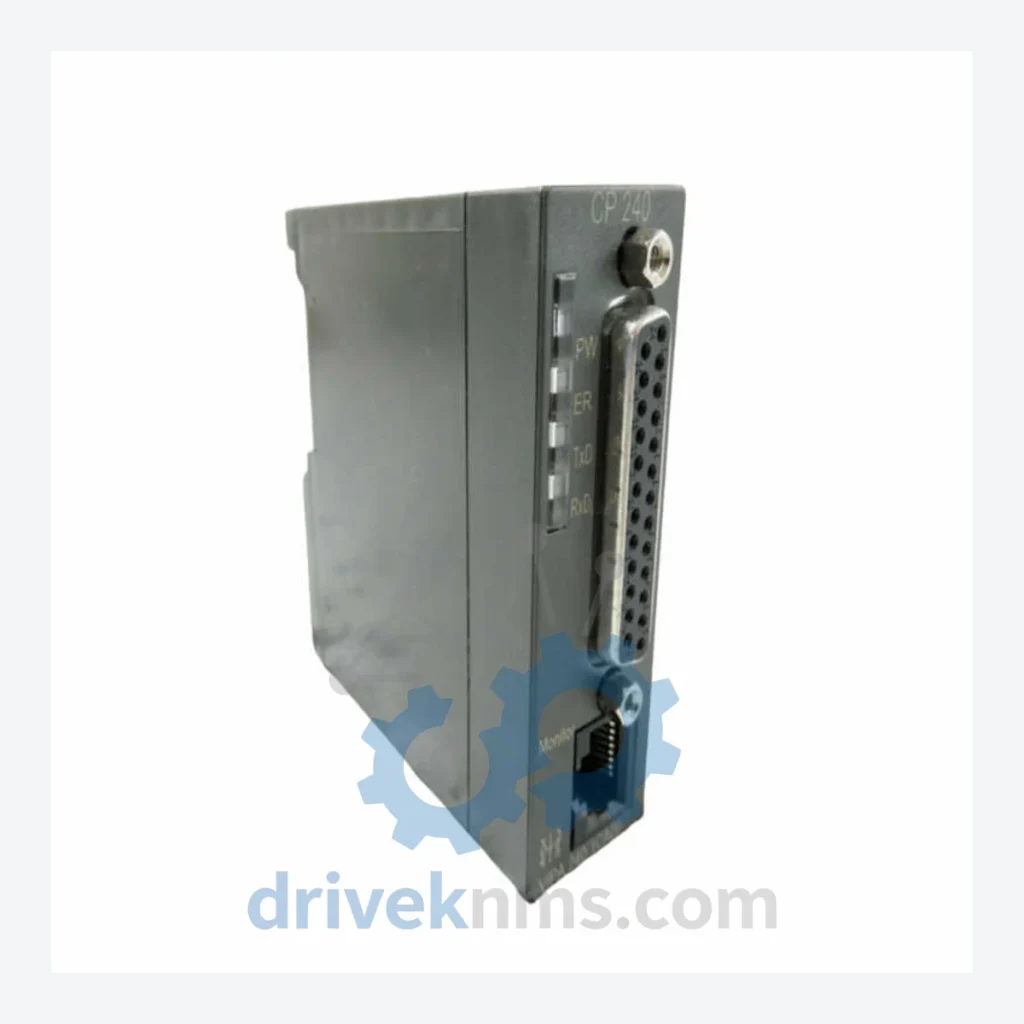
Product Overview
Commercial availability is handled through direct RFQ, model verification and export-oriented follow-up rather than public cart checkout.
Datasheet Preview
Use attached product manuals when available. If the manual is not public yet, request the full file directly through RFQ.
Commercial Path
Product pages on DRIVEKNMS are designed to verify model, brand and series first, then move the buyer into one clean quotation path.
Technical Dossier
RFQ support for obsolete parts: Send the model number, required quantity and destination so DriveKNMS can confirm sourcing options before quotation.
Note: Electrical parameters not listed above are not confirmed from verified datasheets and are intentionally omitted to preserve data integrity. Contact us for full specification documentation.
The VIPA 315-2AG12 was deployed extensively in manufacturing lines built between the late 1990s and early 2010s — particularly in automotive body shops, chemical dosing systems, and discrete parts assembly. Its integrated PROFIBUS-DP master port made it a cost-effective alternative to Siemens 315-2DP CPUs, and many facilities standardized entire production segments around it.
How to extend your automation asset life by 5–10 years using critical spare parts:
Every 315-2AG12 unit processed by DriveKNMS passes a structured 5-step quality verification protocol before it is offered for sale. This process is designed specifically for legacy industrial electronics where age-related degradation — not mechanical damage — is the primary failure mode.
How do I confirm the unit is genuine and not a counterfeit?
VIPA modules carry traceable markings including production batch codes and hardware revision labels. We verify these against known-authentic reference units. Counterfeit VIPA hardware is rare but not unknown in the surplus market — our inspection process specifically checks for label inconsistencies and board-level anomalies.
Continue The Model Path
Move from this exact model into the matching system hub, brand archive, model-family archive or lifecycle sourcing route before sending a final RFQ list.
Related Paths
Vipa 315-2AG12 is listed for SPEED7 Series RFQ review. Confirm quantity, condition and destination before quotation.
Vipa VIPA314-6CF02 is listed for PLC Modules RFQ review. Confirm quantity, condition and destination before quotation.
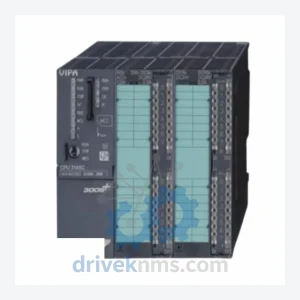
Vipa 314-6CG13 CPU 314SC/DPM-SPEED7 is listed for PLC Modules RFQ review. Confirm quantity, condition and destination before quotation.