
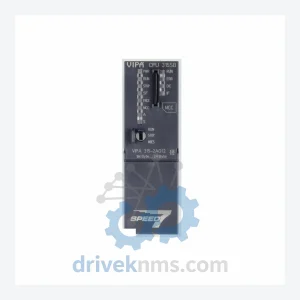
VIPA 315-2AG12 CPU 315SB/DPM Processor Module – SPEED7 Series
Vipa 315-2AG12 is listed for SPEED7 Series RFQ review. Confirm quantity, condition and destination before quotation.
RFQ-ready industrial model
Model: 315£2AG12
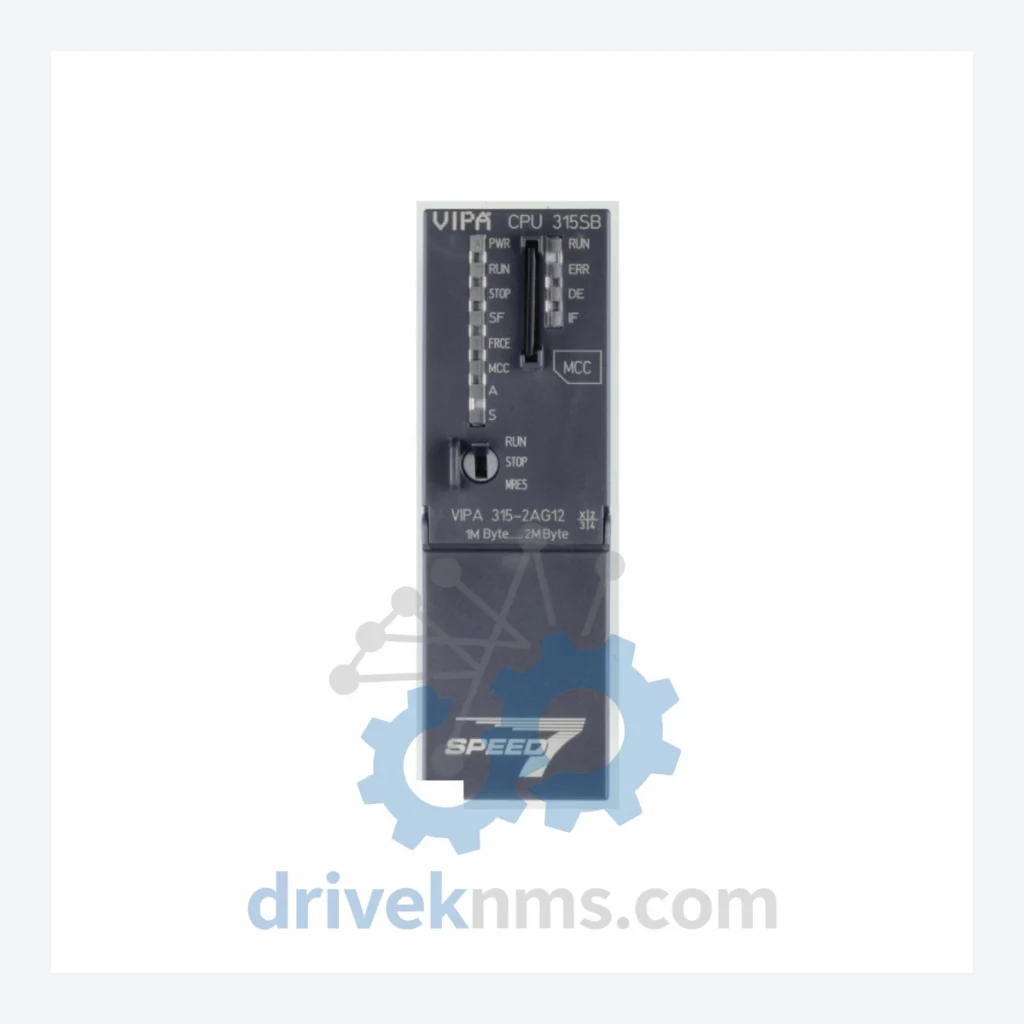
Product Overview
Commercial availability is handled through direct RFQ, model verification and export-oriented follow-up rather than public cart checkout.
Datasheet Preview
Use attached product manuals when available. If the manual is not public yet, request the full file directly through RFQ.
Commercial Path
Product pages on DRIVEKNMS are designed to verify model, brand and series first, then move the buyer into one clean quotation path.
Technical Dossier
The VIPA 315 Series was introduced as part of the SPEED7 platform in the early 2000s, targeting the mid-range PLC segment dominated by Siemens S7-315 hardware. The initial release established binary S7-300 compatibility at the hardware and software level, allowing STEP 7 programming without modification. Subsequent revisions introduced integrated PROFIBUS-DP master/slave interfaces, eliminating the need for separate CP modules in distributed I/O architectures. Later generations added onboard Ethernet ports (IE variants), enabling direct integration with SCADA and MES layers via S7 communication and open TCP/IP protocols. The DP/M variants introduced dual-port memory and expanded work memory up to 512 KB, addressing the growing complexity of process programs in refinery and power generation applications. As the S7-300 platform entered its end-of-life phase (Siemens announced discontinuation effective October 2023), the VIPA 315 Series transitioned into a critical long-term maintenance role: providing pin-compatible, software-compatible replacements for facilities that cannot justify full migration to S7-1500 or TIA Portal architectures within their current maintenance cycles. Compatibility with existing GSD files, hardware configurations, and HW Config projects is maintained across all current 315 variants.
The following SKUs represent verified, commonly stocked models within the VIPA 315 Series. Models are classified by primary function.
CPU / Processor Modules
Communication / Interface Modules
I/O and Expansion Modules (315-compatible rack)
The VIPA 315 Series uses a proprietary SPEED7 backplane bus that operates at higher clock rates than standard S7-300 backplanes. This requires specialized test procedures beyond standard power-on verification:
Continue The Model Path
Move from this exact model into the matching system hub, brand archive, model-family archive or lifecycle sourcing route before sending a final RFQ list.
Related Paths
Vipa 315-2AG12 is listed for SPEED7 Series RFQ review. Confirm quantity, condition and destination before quotation.
Vipa VIPA314-6CF02 is listed for PLC Modules RFQ review. Confirm quantity, condition and destination before quotation.
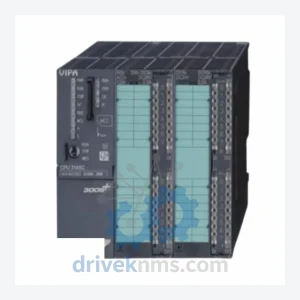
Vipa 314-6CG13 CPU 314SC/DPM-SPEED7 is listed for PLC Modules RFQ review. Confirm quantity, condition and destination before quotation.