
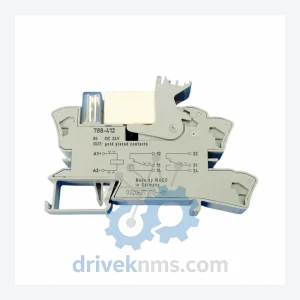
Wago 788-412 Relay Module
Wago 788-412 is listed for Servo Drives RFQ review. Confirm quantity, condition and destination before quotation.
RFQ-ready industrial model
Model: 787-833
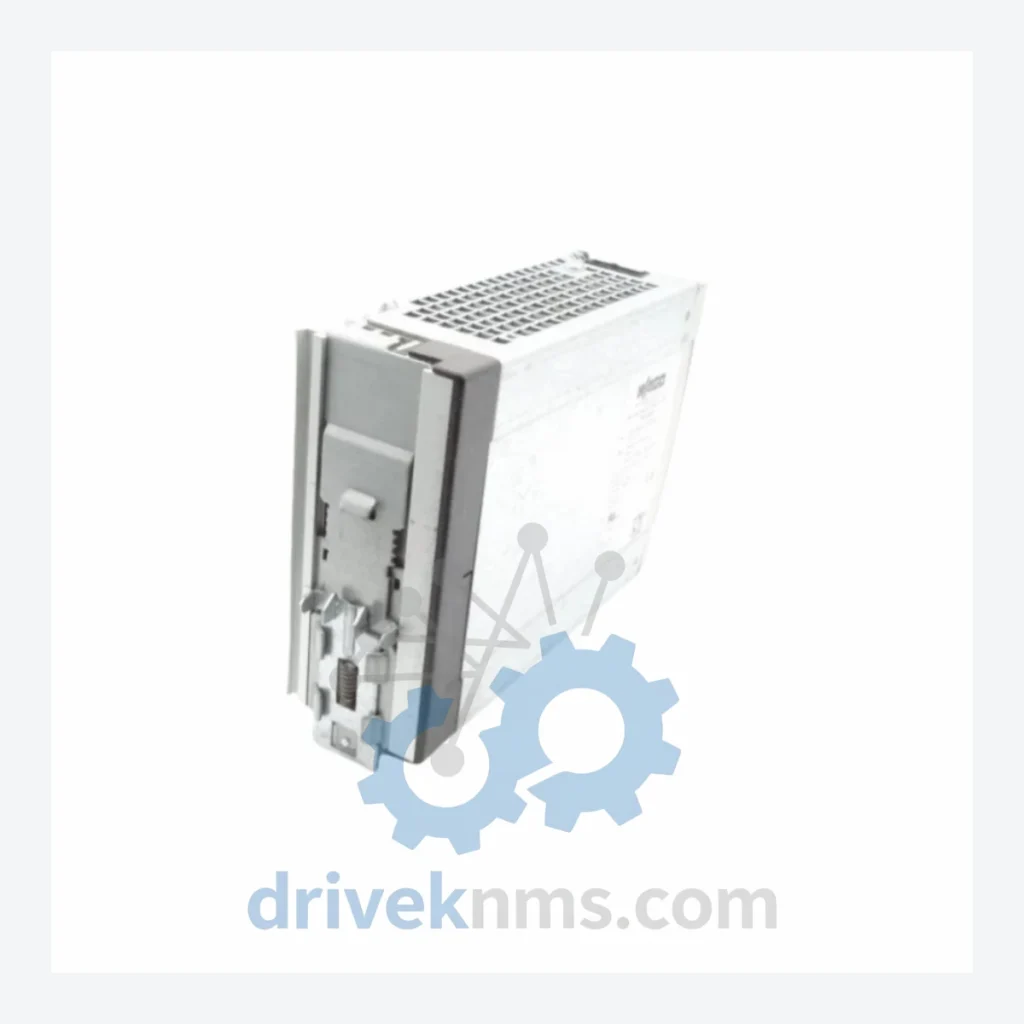
Product Overview
Commercial availability is handled through direct RFQ, model verification and export-oriented follow-up rather than public cart checkout.
Datasheet Preview
Use attached product manuals when available. If the manual is not public yet, request the full file directly through RFQ.
Commercial Path
Product pages on DRIVEKNMS are designed to verify model, brand and series first, then move the buyer into one clean quotation path.
Technical Dossier
DriveKNMS reviews sourcing options for this model through RFQ handling before quotation.
RFQ support for obsolete parts: Send the model number, required quantity and destination so DriveKNMS can confirm sourcing options before quotation.
| Parameter | Detail |
|---|---|
| Manufacturer | WAGO |
| Part Number | 787-833 |
| Series | WAGO 787 |
| Product Type | Switched-Mode Power Supply (SMPS) |
| Country of Origin | Germany |
| Product Status | Discontinued / Obsolete |
| Replacement Availability | No direct OEM replacement; cross-reference engineering required |
Note: Electrical parameters (input voltage range, output voltage, output current, power rating) are not published here to prevent misapplication. Confirm specifications against your original panel documentation or contact us for datasheet support before ordering.
The WAGO 787 Series power supplies were engineered for long-cycle industrial environments — panel builders and system integrators specified them precisely because of their compact DIN-rail footprint, stable DC output, and compatibility with WAGO's own terminal block and I/O ecosystems. Facilities that built their control infrastructure around this platform in the 1990s and 2000s now face a structural problem: the hardware is gone from the market, but the systems it powers are still running production-critical processes.
Replacing a discontinued power supply is not simply a matter of finding a unit with matching voltage and current ratings. The physical form factor, terminal pitch, mounting depth, and inrush current profile all affect whether a substitute will function correctly within an existing panel — and whether it will satisfy the original system's safety certification. For facilities operating under IEC, CE, or UL-certified panel designs, substituting an uncertified replacement can void the panel's compliance status entirely.
The lowest-risk path — and the lowest-cost path — is to source the original part number. A verified WAGO 787-833 drops into the existing panel without modification, without re-engineering, and without triggering a recertification review. For plant managers facing pressure to defer capital expenditure, this is not a workaround. It is the correct engineering decision.
Obsolete power supplies sourced from the secondary market carry real risks. DriveKNMS applies a structured inspection protocol before any unit is dispatched:
The decision to retire an automation system is rarely driven by the system's inability to perform its function. It is driven by the inability to maintain it. When spare parts disappear from the market, maintenance teams lose the ability to respond to failures, and management loses confidence in the system's reliability. The system gets retired — not because it is worn out, but because it has become unserviceable.
This is a solvable problem. The following approach has been used by maintenance managers across process, discrete, and hybrid manufacturing environments to extend the operational life of automation assets by five to ten years after OEM end-of-life:
The cost of a structured spare parts program for a legacy automation system is predictable and bounded. The cost of an unplanned production stop caused by an unavailable component is neither.
How do I know the unit is genuine and not counterfeit?
All units are sourced from documented industrial surplus channels. Physical markings, label format, and internal construction are verified against known-good reference units. We do not source from unverified brokers.
What if the unit fails on arrival?
Units that fail on arrival are replaced or refunded. Contact us within 7 days of receipt with documentation of the fault.
Do you provide a datasheet?
We can provide available technical documentation for the 787-833 upon request. Contact us before ordering if you need to confirm specifications against your panel design.
Continue The Model Path
Move from this exact model into the matching system hub, brand archive, model-family archive or lifecycle sourcing route before sending a final RFQ list.
Related Paths
Wago 788-412 is listed for Servo Drives RFQ review. Confirm quantity, condition and destination before quotation.
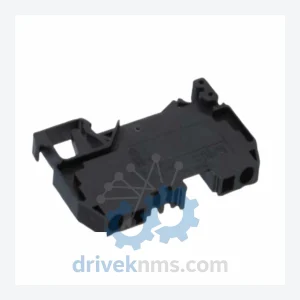
Wago 280-905 is listed for 280 Series RFQ review. Confirm quantity, condition and destination before quotation.
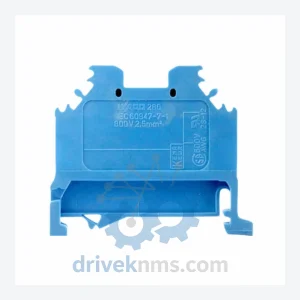
Wago 280-104 is listed for 104 Through Terminal Block – 280 Series DIN Rail Connector RFQ review. Confirm quantity, condition and destination before quotation.