
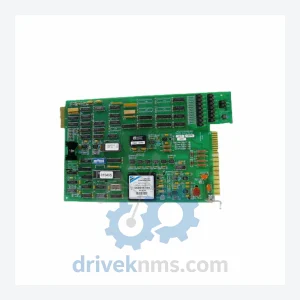
Westinghouse 7381A73G01 Speed Sensor Card – Obsolete WDPF Spare Part
Westinghouse 7381A73G01 is listed for WDPF RFQ review. Confirm quantity, condition and destination before quotation.
RFQ-ready industrial model
Model: 1C31122G01
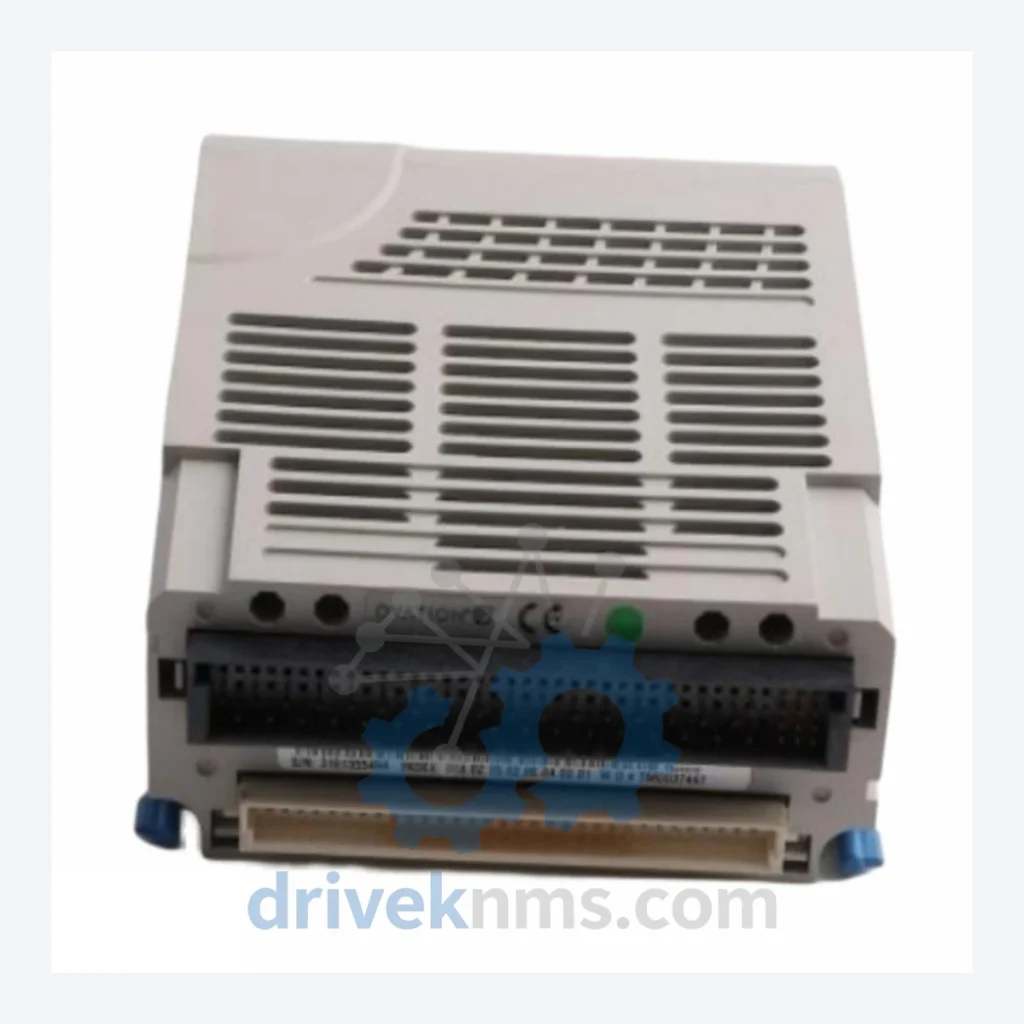
Product Overview
Commercial availability is handled through direct RFQ, model verification and export-oriented follow-up rather than public cart checkout.
Datasheet Preview
Use attached product manuals when available. If the manual is not public yet, request the full file directly through RFQ.
Commercial Path
Product pages on DRIVEKNMS are designed to verify model, brand and series first, then move the buyer into one clean quotation path.
Technical Dossier
RFQ support for obsolete parts: Send the model number, required quantity and destination so DriveKNMS can confirm sourcing options before quotation.
Note: Electrical parameters beyond those listed above are not published in available documentation. DriveKNMS does not fabricate specifications. Contact us for datasheet support.
The Westinghouse WDPF platform was deployed extensively across coal-fired power plants, nuclear auxiliary systems, and large-scale process facilities throughout the 1980s and 1990s. Many of these installations remain operational today, running processes that cannot be interrupted without significant financial and safety consequences. The 1C31125G02 sits at the signal acquisition layer — it converts field-level analog signals into data the WDPF processor can act on. There is no generic substitute. The module communicates over a proprietary backplane protocol, and any replacement must be electrically and firmware-compatible with the existing rack configuration.
Facilities facing pressure to migrate to Emerson Ovation or a modern DCS should understand the full cost structure before committing. A full platform migration for a mid-sized power plant typically involves: hardware procurement across dozens of I/O types, complete loop rewiring, DCS software licensing, factory acceptance testing, site acceptance testing, and a planned outage window that may span weeks. Against that baseline, sourcing a verified 1C31125G02 to restore a failed channel represents a fraction of the cost and a fraction of the risk. For facilities with 5–10 years of remaining operational life on the current system, the economics of spare part procurement are straightforward.
The decision to extend a legacy DCS platform is not a technical failure — it is a capital allocation decision. The following approach has been used by facility managers to maintain WDPF-based systems well beyond their original design horizon:
Q: How are RFQ terms confirmed?
A: Quantity, required condition, documentation needs, destination and sourcing route are confirmed during RFQ review before quotation.
4. Vendor Qualification: Not all surplus suppliers test to the same standard. Require documented functional test results and, where possible, burn-in records before accepting refurbished modules into critical inventory.
DriveKNMS applies a 5-step inspection and restoration protocol to all refurbished WDPF modules before they are offered for sale:
Step 1 – Visual and Mechanical Inspection: Full board examination for physical damage, connector pin corrosion, and PCB delamination. Modules with compromised connectors are rejected at this stage.
Step 2 – Electrolytic Capacitor Assessment: Aging electrolytic capacitors are the primary failure mode in modules of this era. Each capacitor is evaluated for ESR (equivalent series resistance) and capacitance retention. Out-of-tolerance components are replaced with equivalent-rated parts.
Step 3 – Firmware Version Verification: Where firmware is accessible, the version is documented and cross-referenced against known WDPF compatibility matrices. Modules with unverifiable firmware states are flagged accordingly.
Step 4 – Functional Test: The module is powered and exercised through its input range. Signal linearity and channel response are verified against expected behavior.
The 1C31125G02 is a direct drop-in replacement for the same position in any WDPF rack that originally housed this module. No reprogramming of the WDPF processor is required. No loop rewiring is required. No engineering change order is required for a like-for-like swap. This is the lowest-risk, lowest-cost path to restoring a failed analog input channel in a WDPF system. The alternative — an engineered workaround using a different module type — introduces compatibility risk, requires documented validation, and consumes engineering resources that are rarely available on short notice during an unplanned outage.
Q: How is condition confirmed before quotation?
A: Available condition, photos, test records and documentation are checked according to the requested model and sourcing channel before a formal RFQ response.
Q: Should I buy more than one unit?
A: For any WDPF installation with ongoing operational requirements, holding at least one cold spare per critical module type is standard practice. Given that OEM production has ceased, current market inventory is finite. Procurement decisions made today are not repeatable on the same timeline in 12–24 months.
Continue The Model Path
Move from this exact model into the matching system hub, brand archive, model-family archive or lifecycle sourcing route before sending a final RFQ list.
Related Paths
Westinghouse 7381A73G01 is listed for WDPF RFQ review. Confirm quantity, condition and destination before quotation.
Westinghouse 5X00376G01 is listed for WDPF RFQ review. Confirm quantity, condition and destination before quotation.
Westinghouse 1C31113G05 is listed for WDPF RFQ review. Confirm quantity, condition and destination before quotation.