
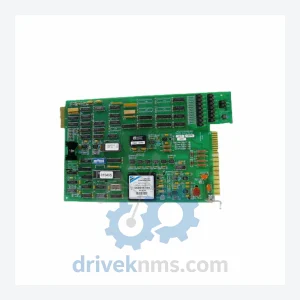
Westinghouse 7381A73G01 Speed Sensor Card – Obsolete WDPF Spare Part
Westinghouse 7381A73G01 is listed for WDPF RFQ review. Confirm quantity, condition and destination before quotation.
RFQ-ready industrial model
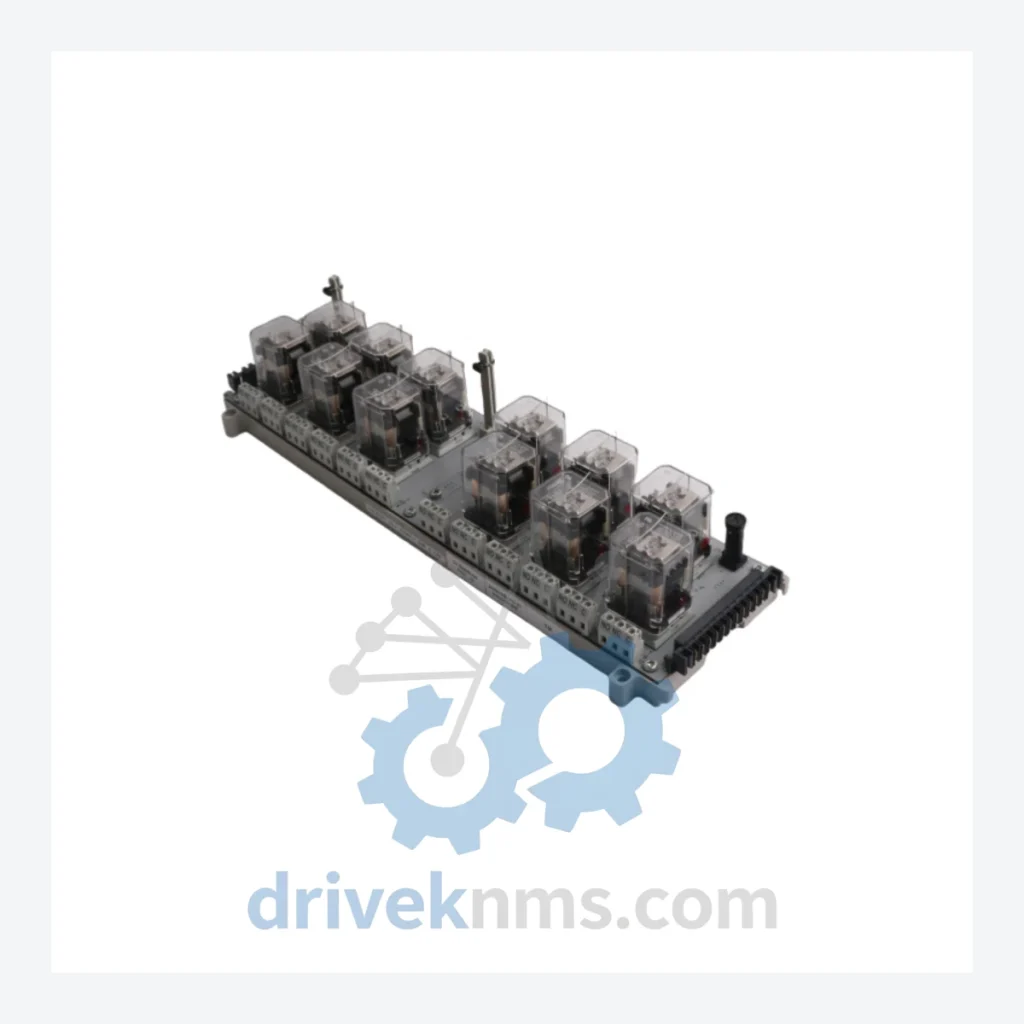
Model: 1C31222G01 5A26458G05
Product Overview
Commercial availability is handled through direct RFQ, model verification and export-oriented follow-up rather than public cart checkout.
Datasheet Preview
Use attached product manuals when available. If the manual is not public yet, request the full file directly through RFQ.
Commercial Path
Product pages on DRIVEKNMS are designed to verify model, brand and series first, then move the buyer into one clean quotation path.
Technical Dossier
RFQ support for obsolete parts: Send the model number, required quantity and destination so DriveKNMS can confirm sourcing options before quotation.
Note: Electrical parameters specific to this assembly are not published here to prevent misapplication. Contact our technical team for configuration verification before ordering.
The Westinghouse WDPF system was one of the dominant distributed control platforms deployed across power generation, refining, and chemical processing facilities from the 1980s through the early 2000s. Its modular relay and I/O architecture was engineered for long service life — and many of those installations remain in active production today, decades after Westinghouse exited the DCS market.
Q: How are RFQ terms confirmed?
A: Quantity, required condition, documentation needs, destination and sourcing route are confirmed during RFQ review before quotation.
For plant management facing pressure to justify continued operation of legacy control infrastructure, this is the core argument: the capital cost of a WDPF-to-modern-DCS migration, including all associated engineering, installation, and validation work, typically ranges from several hundred thousand to several million dollars depending on system scale. A proactive spare parts program, anchored by verified surplus inventory from suppliers like DriveKNMS, can defer that expenditure by years while maintaining system reliability.
All relay base assemblies sourced by DriveKNMS undergo a structured 5-step inspection protocol before any unit is offered for sale. This process is designed specifically for the failure modes common to long-stored or field-removed electromechanical components:
Step 2 – Contact and Pin Inspection: Relay socket contacts and base terminal pins are inspected under magnification for corrosion, oxidation, and mechanical fatigue. Pin corrosion is one of the primary causes of intermittent faults in aged relay bases.
Step 3 – Electrolytic Capacitor Assessment: Where applicable, associated board-level components are checked for electrolytic capacitor bulging, leakage, or ESR drift — a common failure mode in assemblies that have been in storage or service for extended periods.
Step 4 – Firmware and Labeling Verification: Part number markings, revision codes, and any embedded firmware identifiers are cross-referenced against known-good references to confirm the unit matches the specified 1C31222G01 / 5A26458G05 configuration.
Step 5 – Functional Continuity Check: Electrical continuity across relay contacts and base terminals is verified prior to packaging.
Units that pass all five stages are classified as Verified Surplus. Units that pass visual and mechanical inspection but show minor cosmetic wear are classified as Inspected Refurbished and are clearly identified as such at the time of quotation.
For facilities operating under ISA or IEC maintenance frameworks, the ability to replace a failed relay base without triggering a management of change (MOC) process is a significant operational advantage. It keeps the repair within the scope of routine maintenance rather than escalating it to a capital project.
Q: Can you source other WDPF components?
A: Yes. DriveKNMS specializes in obsolete and hard-to-find industrial automation components across multiple legacy platforms. If you have a broader WDPF spare parts requirement, contact us with your full bill of materials and we will advise on availability.
Continue The Model Path
Move from this exact model into the matching system hub, brand archive, model-family archive or lifecycle sourcing route before sending a final RFQ list.
Related Paths
Westinghouse 7381A73G01 is listed for WDPF RFQ review. Confirm quantity, condition and destination before quotation.
Westinghouse 1C31113G05 is listed for WDPF RFQ review. Confirm quantity, condition and destination before quotation.
Westinghouse 5X00376G01 is listed for WDPF RFQ review. Confirm quantity, condition and destination before quotation.