
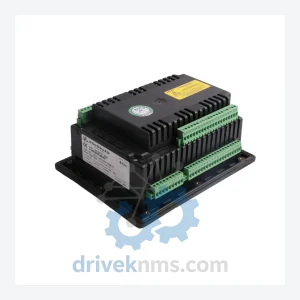
WOODWARD SA1509-24 Solenoid – Governor Control Series
Woodward SA1509-24 is listed for Governor Control Series RFQ review. Confirm quantity, condition and destination before quotation.
RFQ-ready industrial model
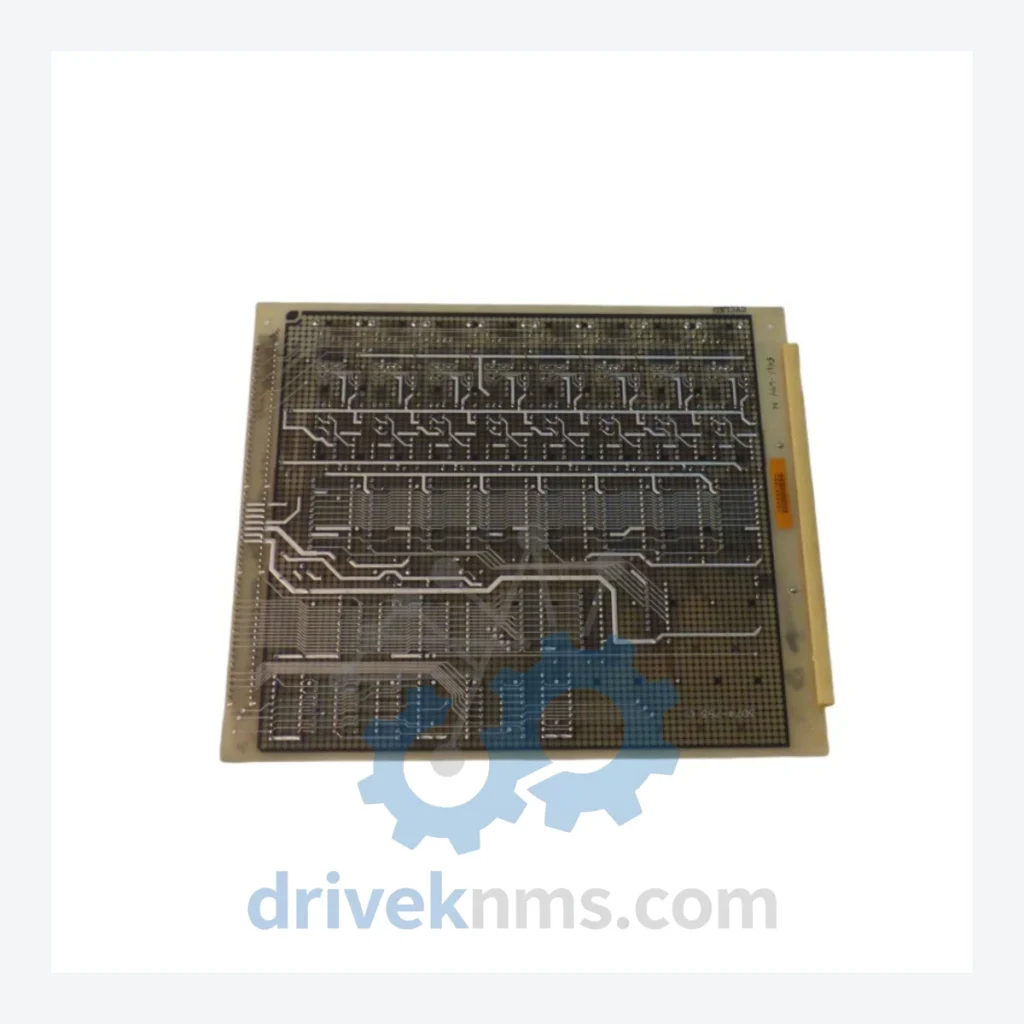
Model: 5462-718
Product Overview
Commercial availability is handled through direct RFQ, model verification and export-oriented follow-up rather than public cart checkout.
Datasheet Preview
Use attached product manuals when available. If the manual is not public yet, request the full file directly through RFQ.
Commercial Path
Product pages on DRIVEKNMS are designed to verify model, brand and series first, then move the buyer into one clean quotation path.
Technical Dossier
When a Woodward governor control PC board fails, the consequences extend far beyond a single component. For facilities running legacy turbine management, engine control, or power generation systems built around Woodward's discontinued hardware platforms, a single failed board can force a plant-wide shutdown. The cost of an unplanned outage — or worse, a forced migration to a modern control architecture — routinely runs into the hundreds of thousands, sometimes millions, of dollars in engineering, commissioning, and lost production time.
Note: Electrical parameters specific to this board are not published here to prevent misapplication. Please contact our technical team to confirm compatibility with your exact system configuration before ordering.
Woodward governor control systems have been deployed across gas turbines, steam turbines, diesel engines, and hydro power units for decades. Many of these installations remain in active service well past the original equipment lifecycle, simply because the cost and complexity of replacing a proven control architecture cannot be justified on financial or operational grounds.
The 5462-718 PC board sits within the control loop of these systems — handling signal processing, feedback regulation, or output conditioning depending on the specific governor platform. When this board fails and no replacement is available, the options narrow quickly: source a compatible used part from the secondary market, attempt a board-level repair, or face a full system replacement. The first option is the only one that preserves operational continuity without a capital expenditure event.
Extending the service life of a Woodward governor system by 5 to 10 years through strategic spare parts procurement is not a workaround — it is a documented asset management strategy. The capital cost of a modern turbine control system replacement, including engineering, installation, and recommissioning, typically ranges from several hundred thousand to over one million dollars depending on system complexity. A single spare PC board, secured at the right time, can defer that expenditure for years.
DriveKNMS applies a structured 5-step quality process to all obsolete PC boards before dispatch review:
Each board ships with a condition report. We do not ship boards that fail any step without explicit disclosure to the buyer.
The pressure to retire legacy control systems is real, but the business case for early retirement is rarely as strong as vendors suggest. For facilities where the process is stable, the operators are trained, and the control logic is proven, the primary risk is not the system itself — it is the availability of replacement parts.
A structured obsolescence management program for Woodward governor systems should include: an audit of all installed Woodward part numbers against current manufacturer availability, identification of parts with no active production and limited secondary market supply, a risk-ranked procurement plan that prioritizes single-point-of-failure components, and a defined storage protocol for long-term spare parts (temperature-controlled, ESD-safe, with periodic condition checks).
Boards like the 5462-718 represent the highest-priority category: no longer manufactured, no direct modern equivalent, and critical to system operation. Facilities that have secured two to three units of such components have consistently extended their system service life by 5 to 10 years without a single unplanned outage attributable to parts unavailability. Those that have not are the ones calling at 2 AM during a turbine trip.
Q: How do I know the board is genuine Woodward and not a counterfeit?
A: All boards are sourced from decommissioned OEM equipment or verified industrial distributors. We provide documentation of provenance where available. Physical markings, board revision codes, and component dating are cross-checked during our QA process.
Q: What if the board does not resolve my system fault?
A: Our technical team can assist with pre-sale compatibility verification. If a board is confirmed compatible and fails to resolve the fault after correct installation, we will work with the customer to determine whether the fault lies elsewhere in the system or whether a board exchange is warranted.
Continue The Model Path
Move from this exact model into the matching system hub, brand archive, model-family archive or lifecycle sourcing route before sending a final RFQ list.
Related Paths
Woodward SA1509-24 is listed for Governor Control Series RFQ review. Confirm quantity, condition and destination before quotation.
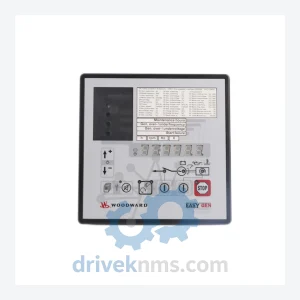
Woodward 8440-1750 EASYGEN-1500-55B is listed for EasyGen-1500 Series RFQ review. Confirm quantity, condition and destination before quotation.
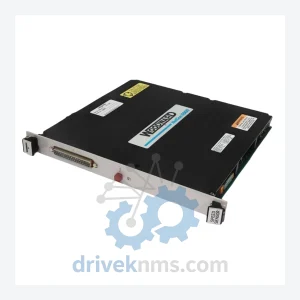
Woodward 5464-544 is listed for Controller Cards RFQ review. Confirm quantity, condition and destination before quotation.