
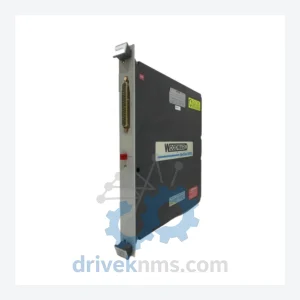
Woodward 5463 Series Modules – 5463-785 Input Module
Woodward 5463-785 is listed for PLC Modules RFQ review. Confirm quantity, condition and destination before quotation.
RFQ-ready industrial model
Model: 9907-164
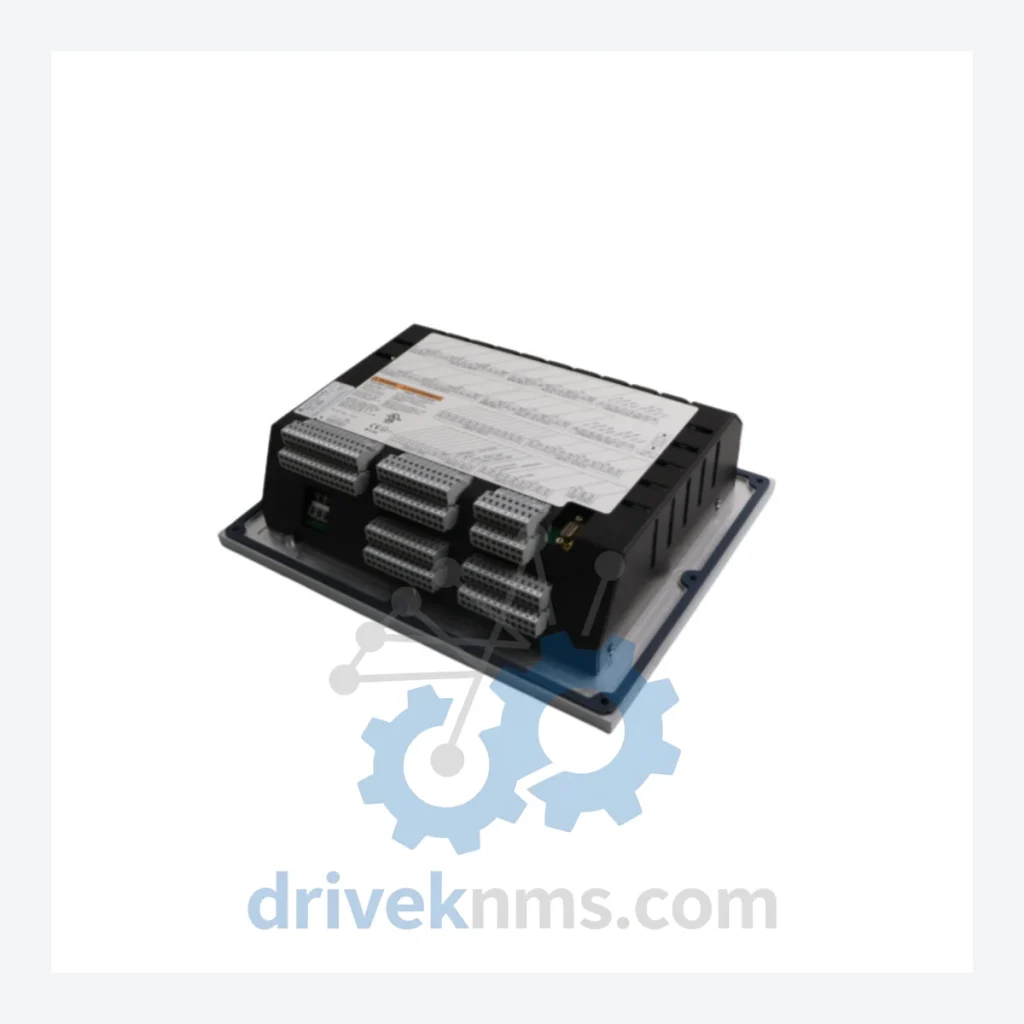
Product Overview
Commercial availability is handled through direct RFQ, model verification and export-oriented follow-up rather than public cart checkout.
Datasheet Preview
Use attached product manuals when available. If the manual is not public yet, request the full file directly through RFQ.
Commercial Path
Product pages on DRIVEKNMS are designed to verify model, brand and series first, then move the buyer into one clean quotation path.
Technical Dossier
The Woodward 9907 Series represents one of the most widely deployed digital governor control platforms in global heavy industry. Installed across gas turbine power plants, steam turbine-driven compressors, hydroelectric facilities, chemical processing units, and nuclear auxiliary systems, the 9907 Series established the standard for microprocessor-based speed and load control from the late 1980s through the 2010s. Its modular architecture — combining dedicated CPU cards, analog/digital I/O modules, communication adapters, and power supply units — allowed OEMs and end-users to configure control systems precisely matched to turbine class and application criticality. Refineries in the Middle East, LNG terminals in Southeast Asia, and baseload power stations across Europe continue to operate equipment governed by 9907 Series hardware, making long-term parts availability a persistent operational requirement.
The 9907 Series was introduced by Woodward as a successor to analog governor platforms, incorporating Intel-based microprocessor cores and proprietary real-time operating firmware. Early variants (circa 1988–1995) used parallel backplane communication with discrete wire I/O termination. Mid-generation units (1996–2005) introduced serial communication options including RS-232 and RS-485, enabling integration with SCADA and DCS platforms such as Honeywell TDC 3000 and ABB Advant. Late-generation 9907 modules (2006–2015) added Modbus RTU/TCP support and expanded analog input resolution to 16-bit. The series entered end-of-active-production status progressively between 2012 and 2018, with Woodward transitioning customers toward the MicroNet Plus and ProTech TPS platforms. However, the installed base remains substantial, and direct hardware replacement — rather than full system migration — remains the preferred maintenance strategy for facilities with 10–25 years of remaining asset life. Compatibility between sub-generations requires careful verification: backplane connector pinouts, firmware revision levels, and jumper configurations differ across production batches and must be matched to the host system's existing hardware revision.
The following SKUs represent verified, commonly sourced models within the Woodward 9907 Series. Each unit is classified by primary function:
Controller / CPU Modules
Analog Input / Output Modules
Digital Input / Output Modules
Communication Adapters
Power Supply Modules
Each 9907 Series module processed by DriveKNMS undergoes a structured verification protocol before dispatch. CPU and controller modules are bench-tested under simulated load conditions using Woodward-compatible test fixtures, verifying processor boot integrity, RAM/ROM checksum validation, and actuator output linearity across the full 4–20 mA range. Analog I/O modules are calibrated against NIST-traceable reference standards with channel-by-channel offset and gain verification. Digital I/O modules are cycled through full contact closure and release sequences to identify relay wear or optocoupler degradation. Communication adapters are tested for protocol handshake integrity and baud rate stability under continuous data exchange. Backplane connectors — a known failure point in high-vibration installations — are inspected under magnification and cleaned with IPA-based contact cleaner prior to reassembly. All tested units are issued a DriveKNMS inspection report documenting test date, technician ID, and pass/fail criteria for each parameter.
Continue The Model Path
Move from this exact model into the matching system hub, brand archive, model-family archive or lifecycle sourcing route before sending a final RFQ list.
Related Paths
Woodward 5463-785 is listed for PLC Modules RFQ review. Confirm quantity, condition and destination before quotation.
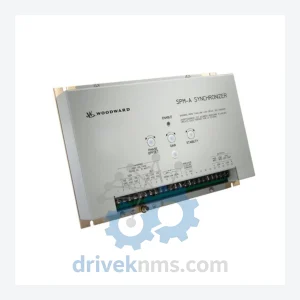
Woodward 9905-003 is listed for PLC Modules RFQ review. Confirm quantity, condition and destination before quotation.
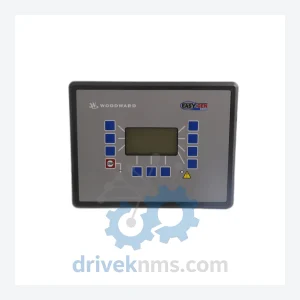
Woodward EASYGEN-2500-5 is listed for PLC Modules RFQ review. Confirm quantity, condition and destination before quotation.