
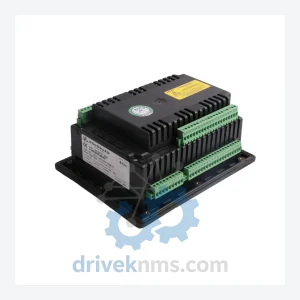
WOODWARD SA1509-24 Solenoid – Governor Control Series
Woodward SA1509-24 is listed for Governor Control Series RFQ review. Confirm quantity, condition and destination before quotation.
RFQ-ready industrial model
Model: 9907-838
Product Overview
Commercial availability is handled through direct RFQ, model verification and export-oriented follow-up rather than public cart checkout.
Datasheet Preview
Use attached product manuals when available. If the manual is not public yet, request the full file directly through RFQ.
Commercial Path
Product pages on DRIVEKNMS are designed to verify model, brand and series first, then move the buyer into one clean quotation path.
Technical Dossier
RFQ support for obsolete parts: Send the model number, required quantity and destination so DriveKNMS can confirm sourcing options before quotation.
Q: How are RFQ terms confirmed?
A: Quantity, required condition, documentation needs, destination and sourcing route are confirmed during RFQ review before quotation.
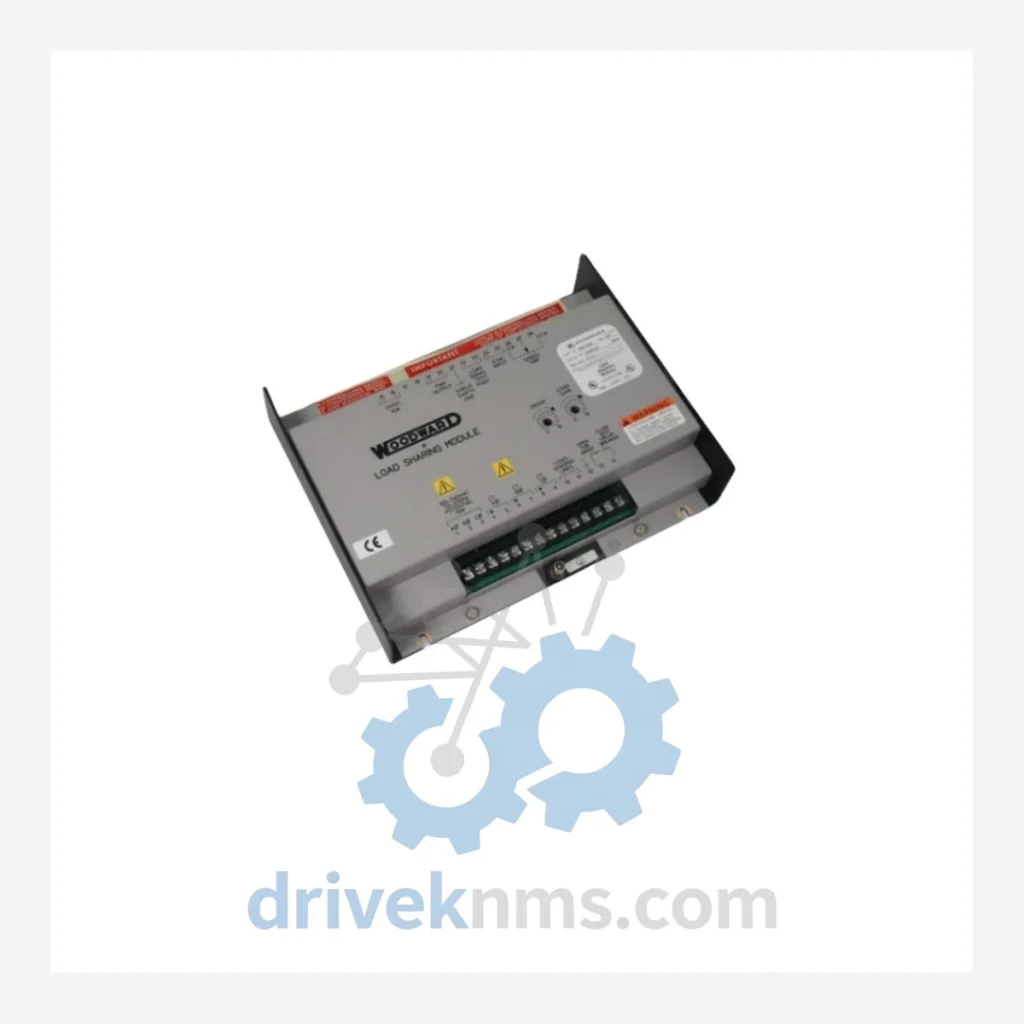
The Woodward 9907-838 was designed for load sharing and synchronization in parallel generator and turbine control systems. In these architectures, the module governs real power distribution between generating units — a function that cannot simply be reassigned to a generic PLC output card or a newer Woodward platform without rewriting the control logic and recertifying the installation.
Plants that have operated these systems for 15 to 25 years face a specific dilemma: the installed base is fully depreciated, the operators know the system, and the process is stable. The only vulnerability is component availability. A single failed 9907-838 can force a choice between an unplanned multi-million dollar control system upgrade or an extended production shutdown while a replacement is sourced.
How to Extend Your Automation Asset Life by 5–10 Years Through Strategic Spare Parts Management
For plant managers facing pressure to retire legacy control systems, the financial case for a targeted spare parts strategy is straightforward. A controlled inventory of critical obsolete modules — including the 9907-838 — can defer a full system replacement by five to ten years at a fraction of the capital expenditure. The approach requires three disciplines:
This strategy has been applied successfully in power generation, oil and gas compression, and marine propulsion facilities where the cost of control system modernization is prohibitive in the near term.
Every 9907-838 unit processed by DriveKNMS passes a five-stage quality protocol before it is offered for sale:
Q: How is condition confirmed before quotation?
A: Available condition, photos, test records and documentation are checked according to the requested model and sourcing channel before a formal RFQ response.
How do I know the unit is genuine and not a counterfeit?
All units are sourced through documented supply channels. Physical markings, board revision codes, and component dates are cross-referenced against known-authentic references. Our QA process is documented and available for review upon request.
Continue The Model Path
Move from this exact model into the matching system hub, brand archive, model-family archive or lifecycle sourcing route before sending a final RFQ list.
Related Paths
Woodward SA1509-24 is listed for Governor Control Series RFQ review. Confirm quantity, condition and destination before quotation.
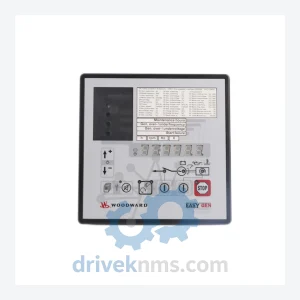
Woodward 8440-1750 EASYGEN-1500-55B is listed for EasyGen-1500 Series RFQ review. Confirm quantity, condition and destination before quotation.
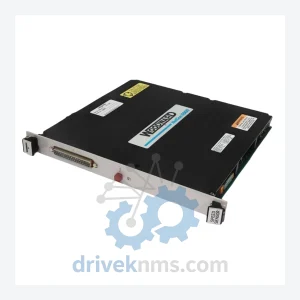
Woodward 5464-544 is listed for Controller Cards RFQ review. Confirm quantity, condition and destination before quotation.