
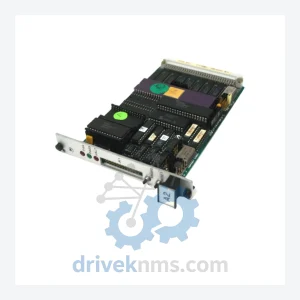
Xycom 70600-001
Xycom XVME-600 70600-001 is listed for Servo Drives RFQ review. Confirm quantity, condition and destination before quotation.
RFQ-ready industrial model
Model: XVME-564
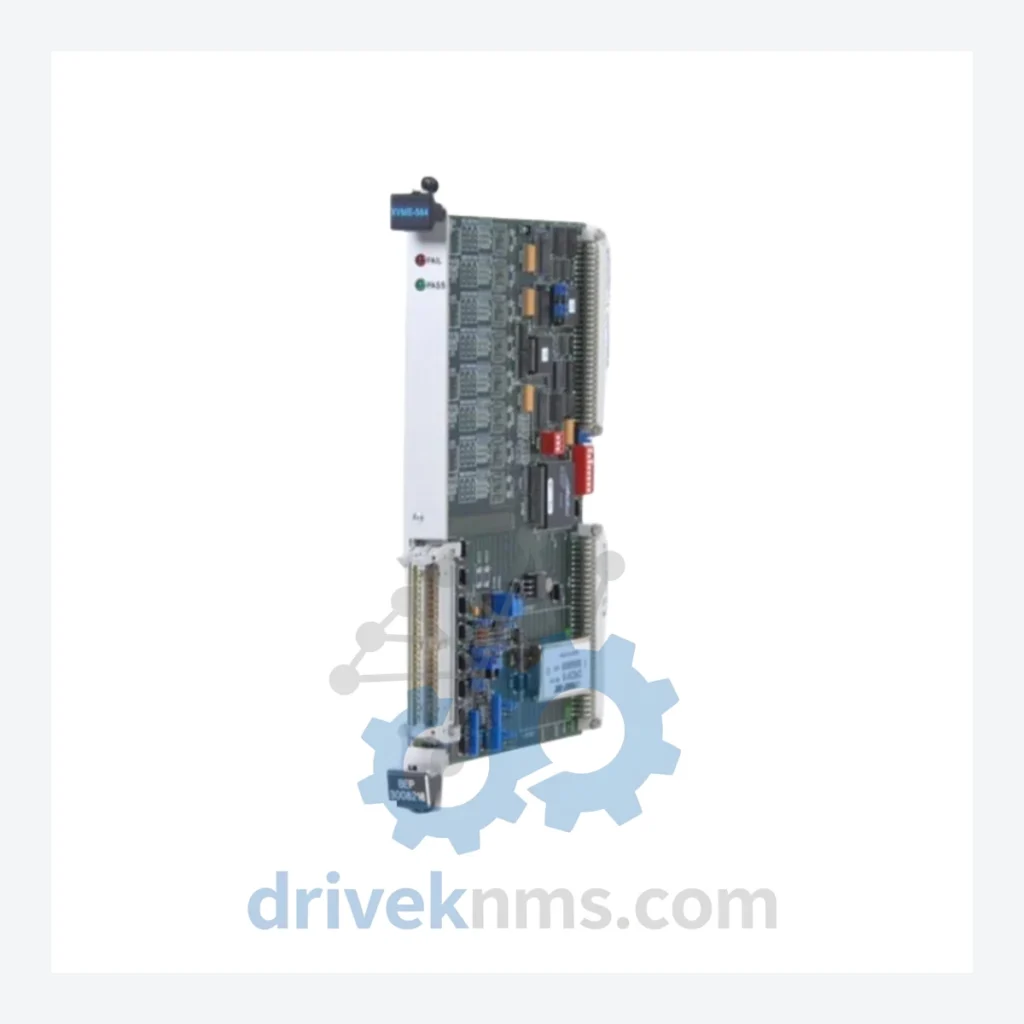
Product Overview
Commercial availability is handled through direct RFQ, model verification and export-oriented follow-up rather than public cart checkout.
Datasheet Preview
Use attached product manuals when available. If the manual is not public yet, request the full file directly through RFQ.
Commercial Path
Product pages on DRIVEKNMS are designed to verify model, brand and series first, then move the buyer into one clean quotation path.
Technical Dossier
The Xycom XVME series represents one of the most widely deployed VMEbus-based I/O and control module families in global heavy industry. Installed across petrochemical refineries, nuclear power generation facilities, offshore platforms, and continuous-process chemical plants, XVME modules operate as the backbone of distributed control architectures where long service life, deterministic bus timing, and field-replaceable modularity are non-negotiable requirements. Xycom Automation (later acquired by Curtiss-Wright) engineered the XVME line to comply with VMEbus IEEE 1014 standards, enabling multi-vendor backplane interoperability in 6U and 3U card formats. The series spans analog I/O, digital I/O, CPU/controller boards, serial communication adapters, and power conditioning modules — providing a complete single-vendor bill of materials for VMEbus system integrators.
The XVME architecture was introduced in the mid-1980s alongside the commercial adoption of the VMEbus standard. Early-generation modules such as the XVME-010 and XVME-240 established the series' reputation for robust analog signal conditioning in electrically noisy industrial environments. These boards used discrete ADC/DAC chipsets with 12-bit resolution and relied on programmed I/O (PIO) transfer modes.
By the early 1990s, Xycom introduced DMA-capable modules and expanded the CPU board range to include Motorola 68030 and 68040 processors, enabling real-time operating system (RTOS) deployments under VxWorks and OS-9. The mid-generation XVME-500 and XVME-560 sub-families introduced 16-bit resolution analog I/O with programmable gain amplifiers (PGA), multiplexed channel architectures, and on-board signal conditioning for thermocouple and RTD inputs.
The later XVME-600 and XVME-700 sub-families added intelligent front-end processing, reducing VMEbus interrupt latency and enabling higher channel densities. Compatibility across generations is maintained at the VMEbus backplane level; however, software drivers are generation-specific and must be validated against the host CPU board's operating environment. As of 2026, the entire XVME product line has reached end-of-life (EOL) status with Curtiss-Wright. No new production runs are scheduled. Long-term maintenance support is exclusively available through authorized aftermarket distributors and certified repair facilities.
Analog Input Modules
Analog Output Modules
Digital I/O Modules
CPU / Controller Boards
Communication & Interface Modules
With the full XVME product line at EOL status, procurement of replacement modules — particularly low-volume SKUs such as the XVME-566, XVME-572, and XVME-402 — requires engagement with specialist aftermarket distributors. DriveKNMS maintains a dedicated inventory of tested XVME modules sourced from decommissioned systems, controlled-environment warehouses, and verified secondary-market channels.
DriveKNMS does not substitute alternative-brand modules without explicit customer authorization. All XVME replacements are sourced as original Xycom/Curtiss-Wright manufactured units.
XVME modules present specific test challenges due to their VMEbus backplane interface, multiplexed analog front-ends, and in some cases, battery-backed SRAM and real-time clock circuits. DriveKNMS applies the following test protocol to all XVME units prior to shipment:
Continue The Model Path
Move from this exact model into the matching system hub, brand archive, model-family archive or lifecycle sourcing route before sending a final RFQ list.
Related Paths
Xycom XVME-600 70600-001 is listed for Servo Drives RFQ review. Confirm quantity, condition and destination before quotation.
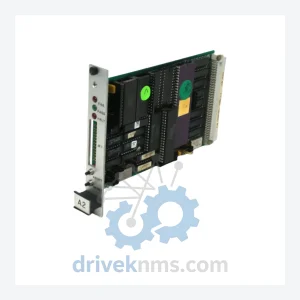
Xycom XVME-600 70600-002 is listed for VMEbus Series RFQ review. Confirm quantity, condition and destination before quotation.
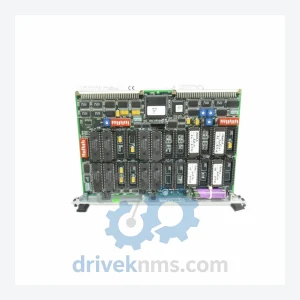
Xycom XVME-113 is listed for XVME Series RFQ review. Confirm quantity, condition and destination before quotation.